Sunday, 8 April 2018

Popular Design News of the Week: April 2, 2018 – April 8, 2018

Every week users submit a lot of interesting stuff on our sister site Webdesigner News, highlighting great content from around the web that can be of interest to web designers. 

The best way to keep track of all the great stories and news being posted is simply to check out the Webdesigner News site, however, in case you missed some here’s a quick and useful compilation of the most popular designer news that we curated from the past week.

Note that this is only a very small selection of the links that were posted, so don’t miss out and subscribe to our newsletter and follow the site daily for all the news.

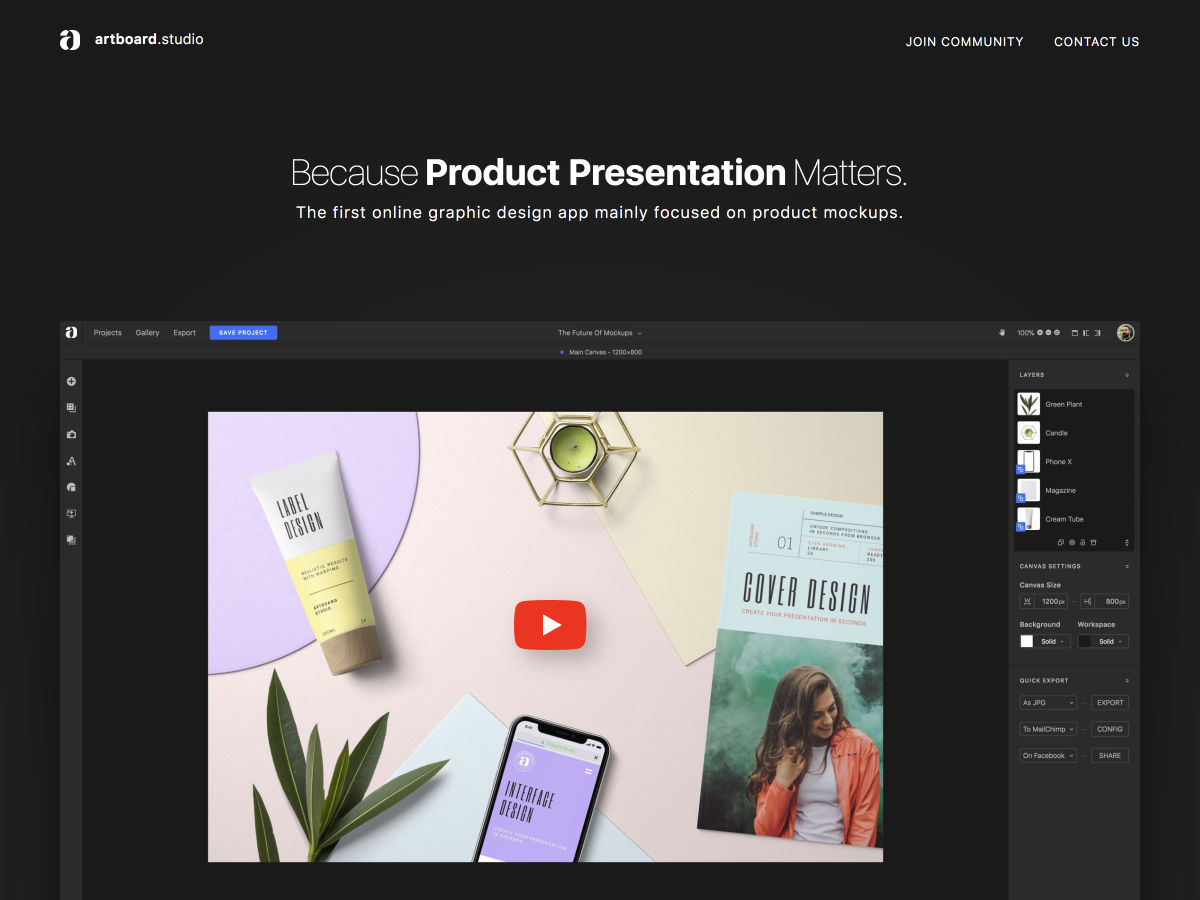
Introducing Artboard Studio


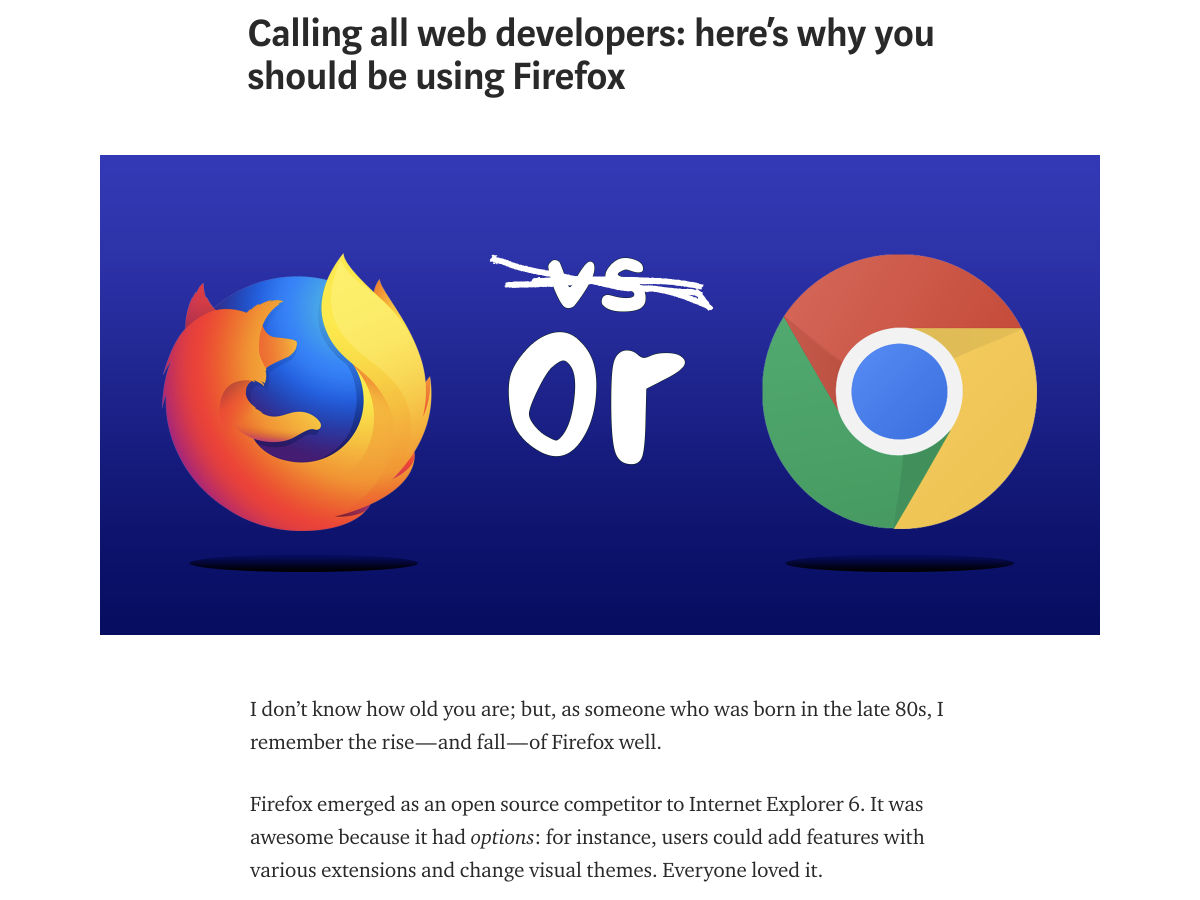
Calling all Web Developers: Here’s Why You Should Be Using Firefox


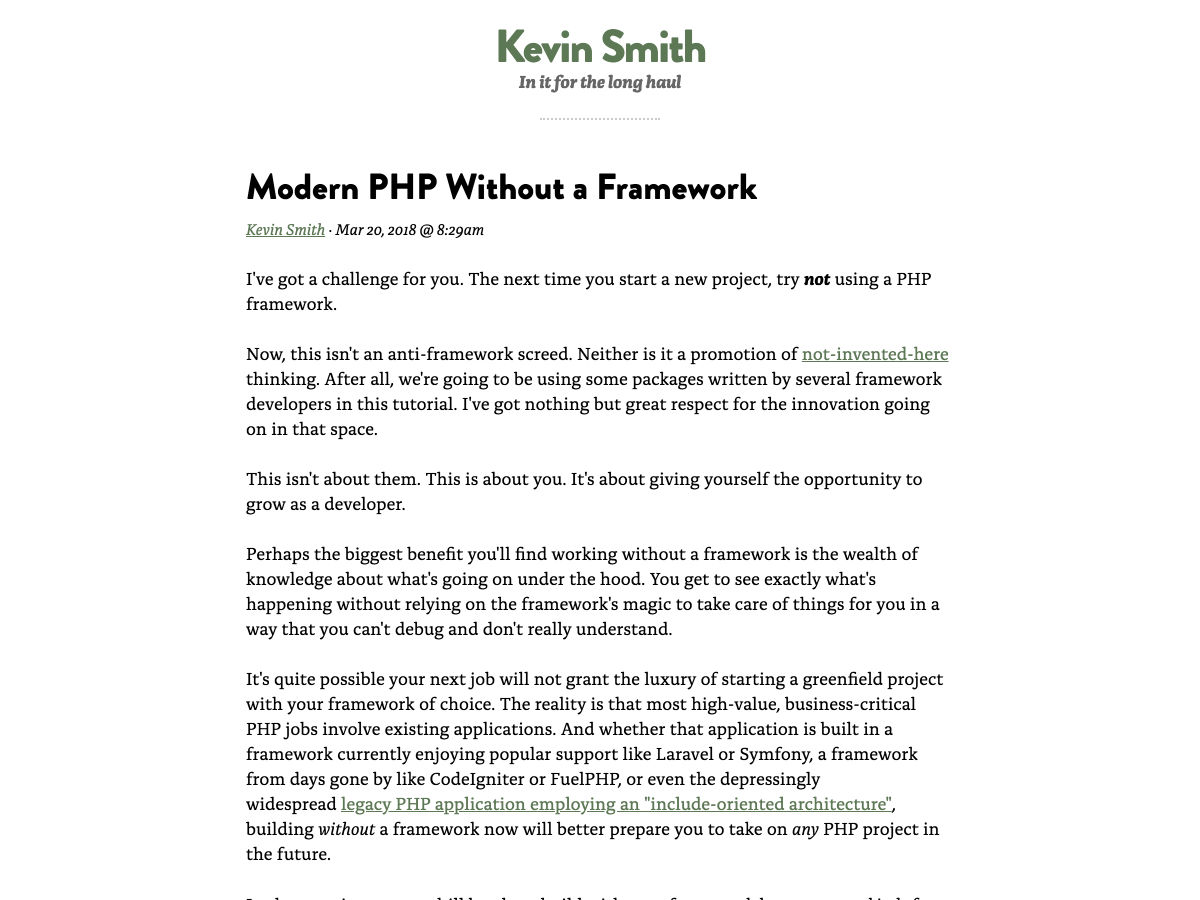
Modern PHP Without a Framework


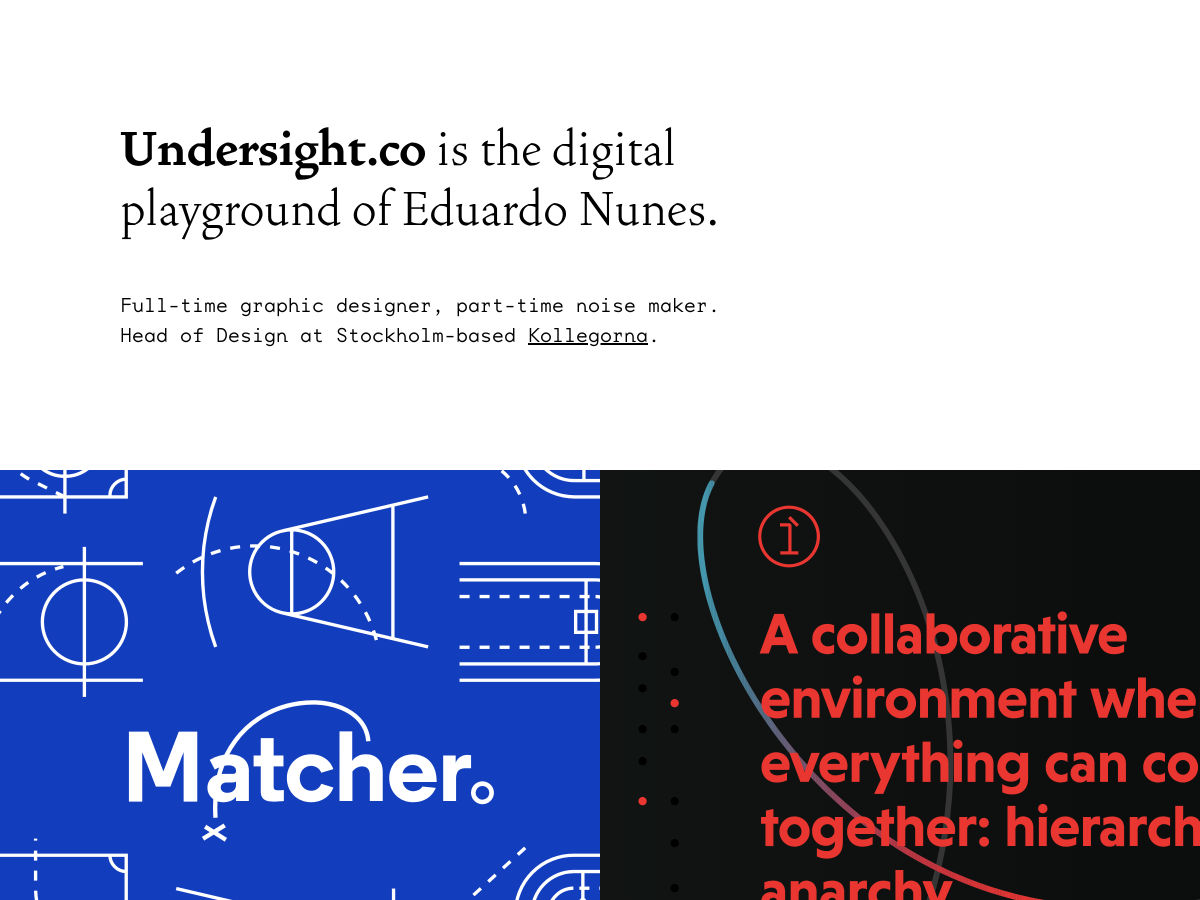
Site Design: Undersight.co


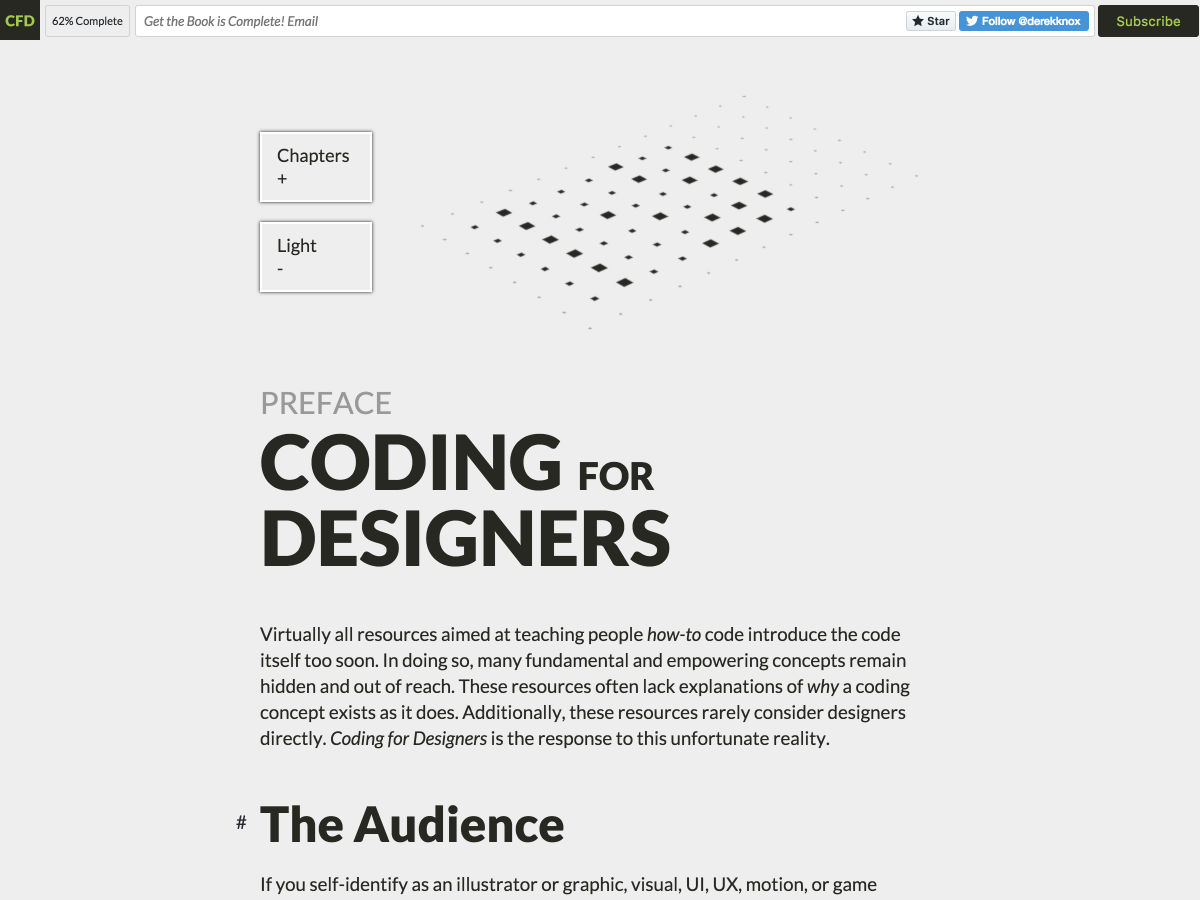
Free Book: Coding for Designers


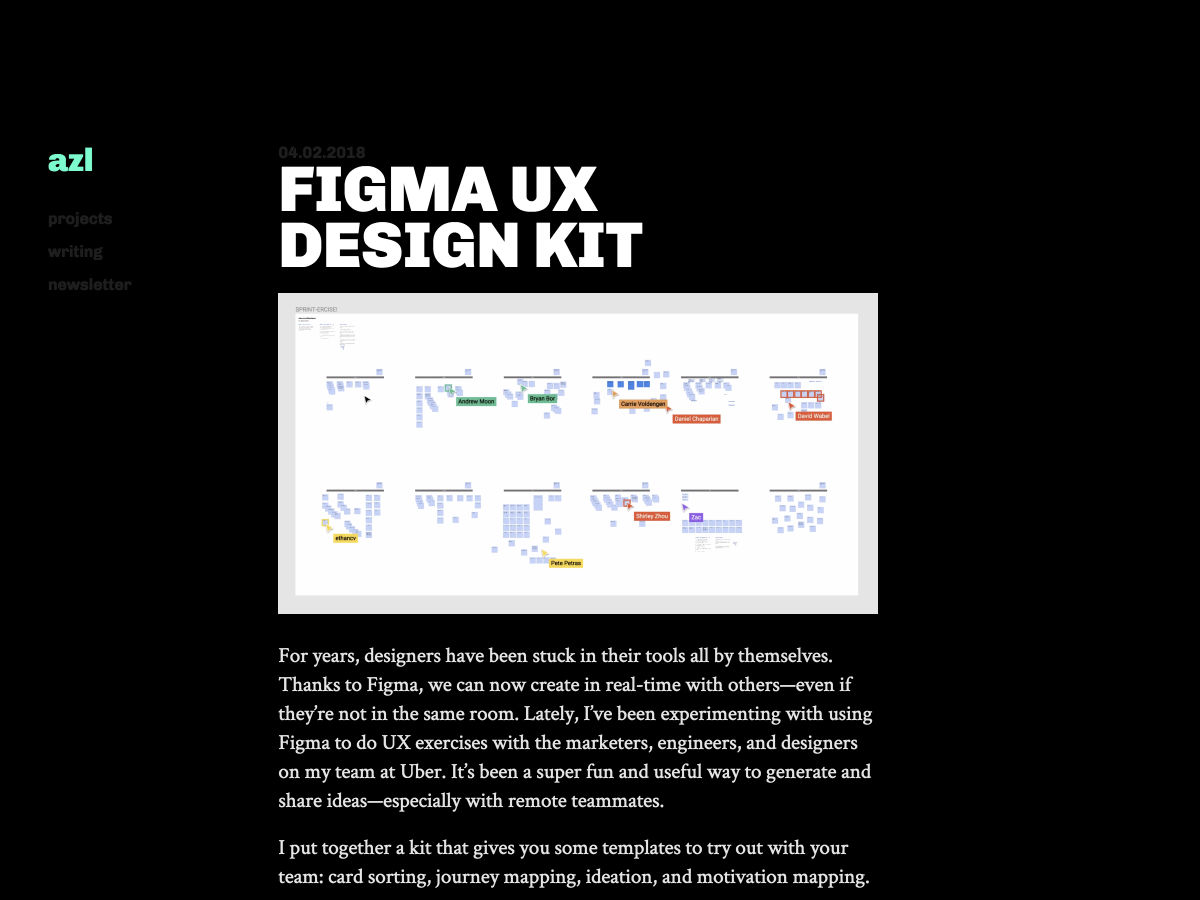
Figma UX Design Kit


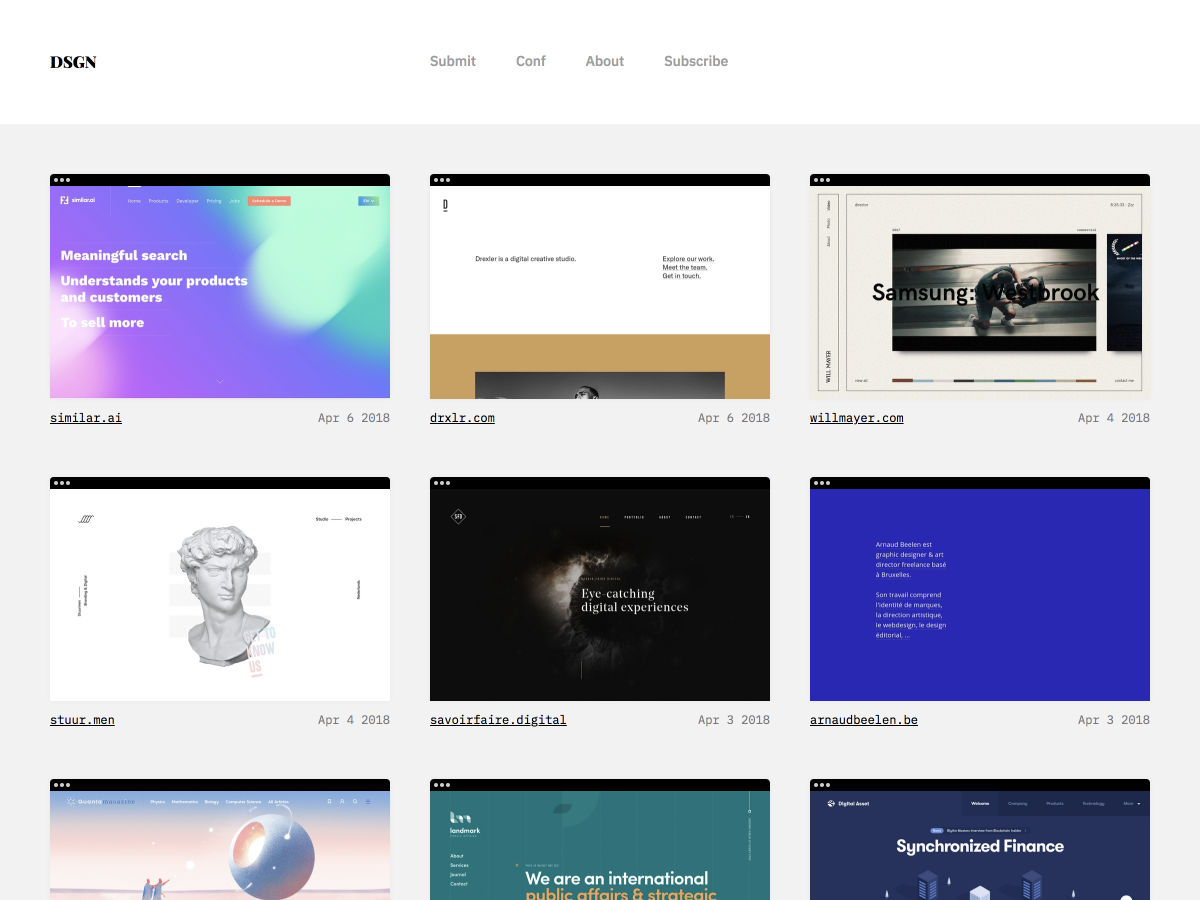
DSGN – The Hottest Web Design Showcase


4 Examples of Bad User Onboarding that will Ruin your UX


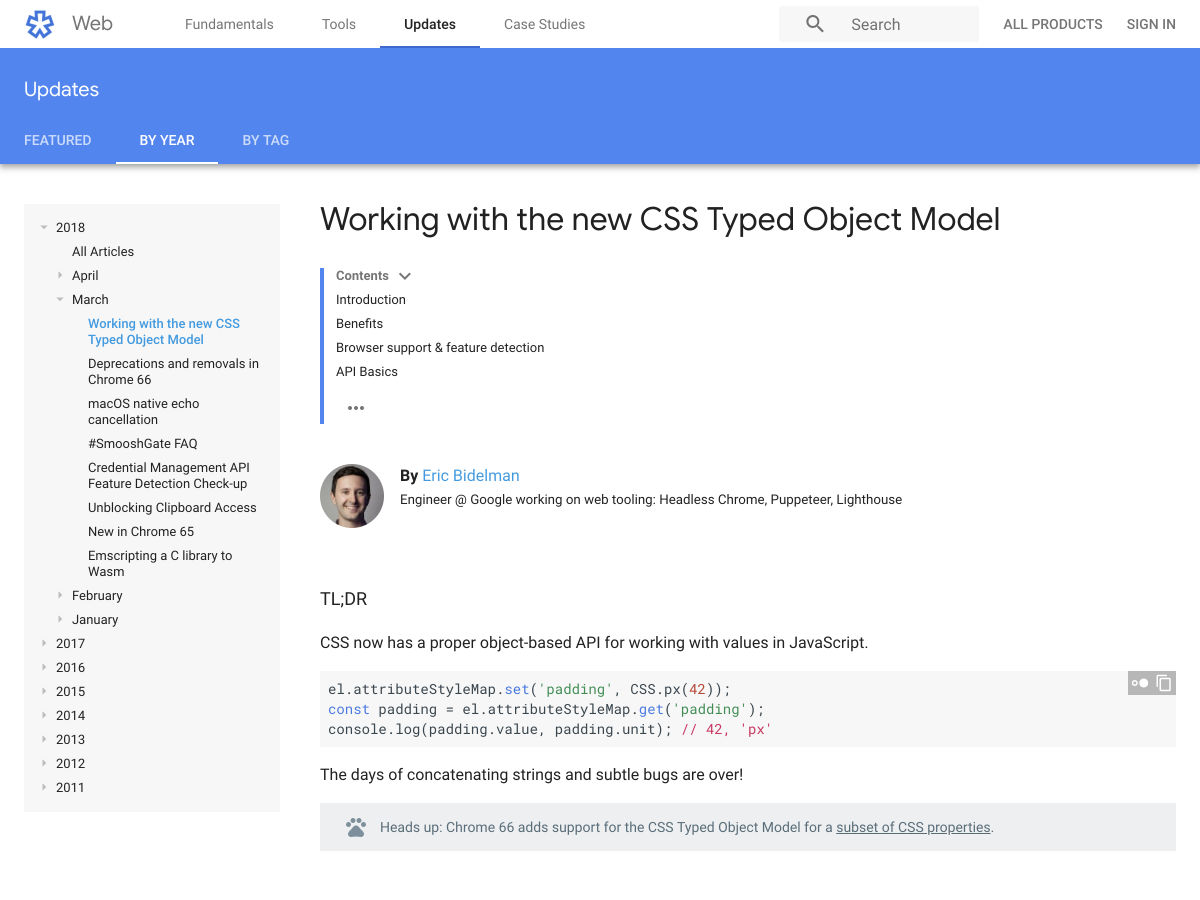
Working with the New CSS Typed Object Model


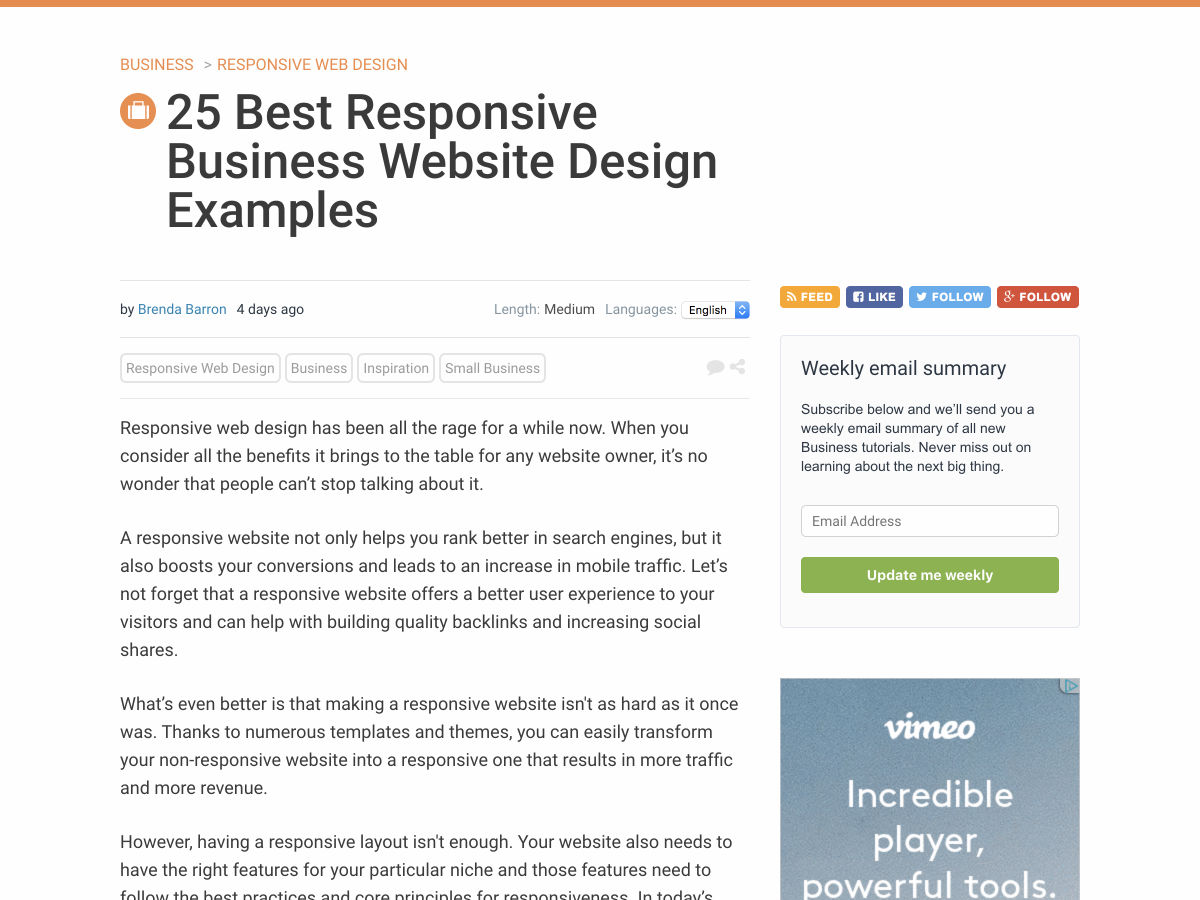
25 Best Responsive Business Website Design Examples


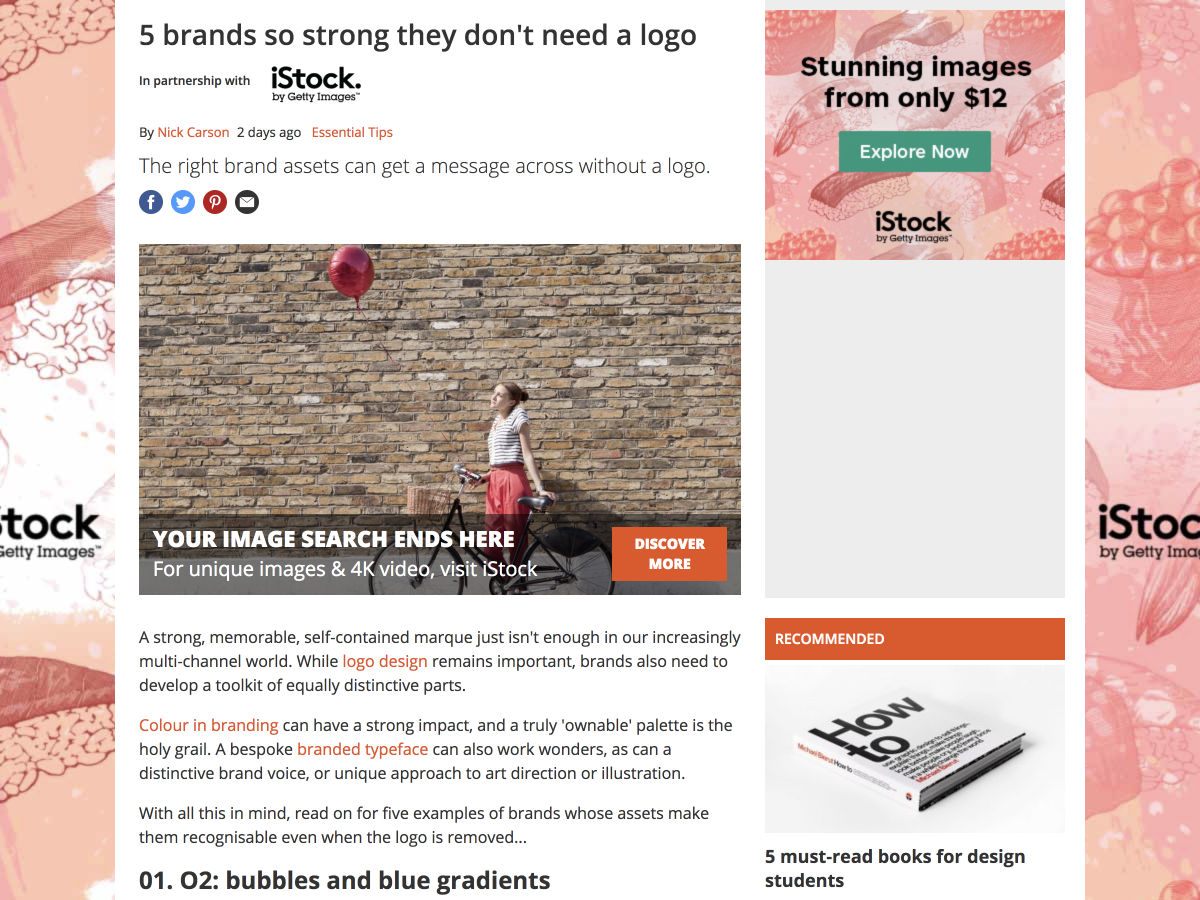
5 Brands so Strong They Don’t Need a Logo


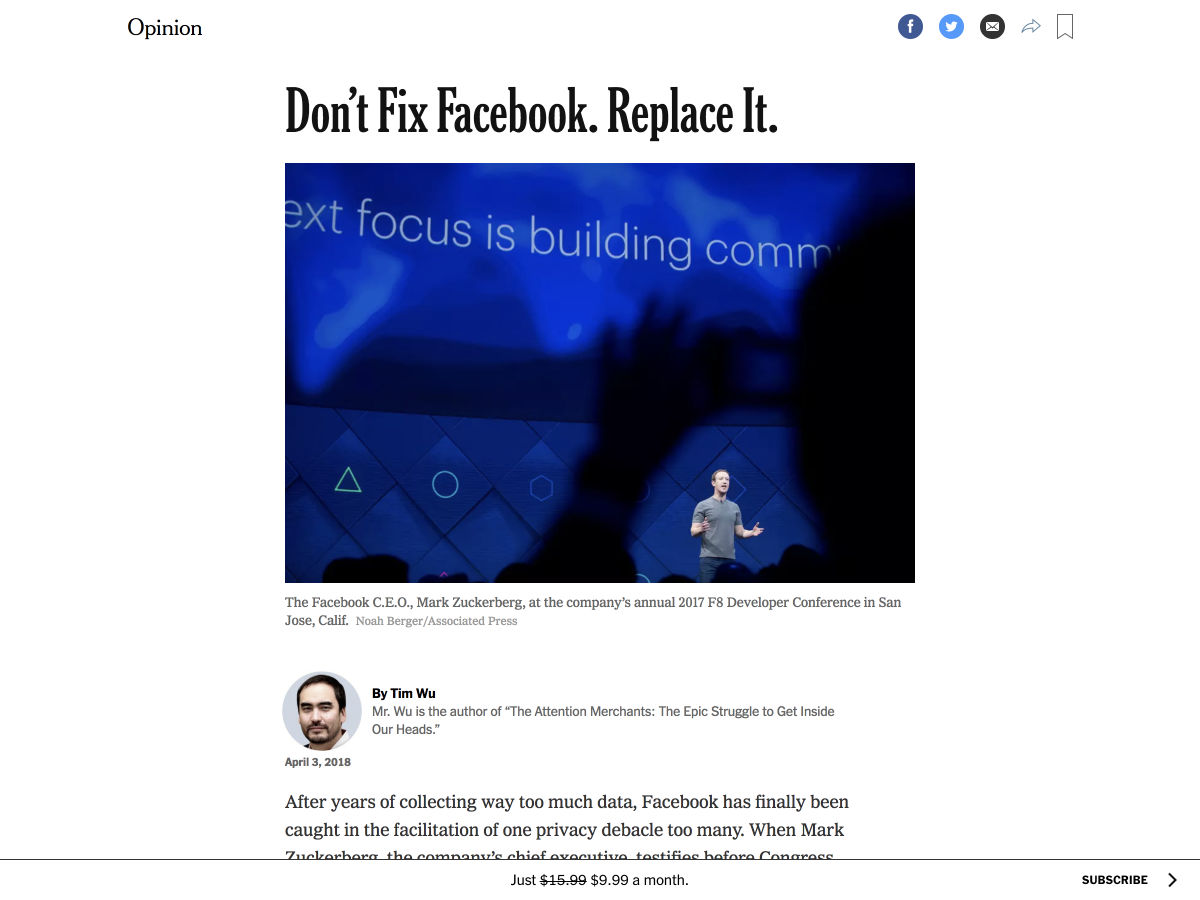
Don’t Fix Facebook. Replace it


Newmorphism


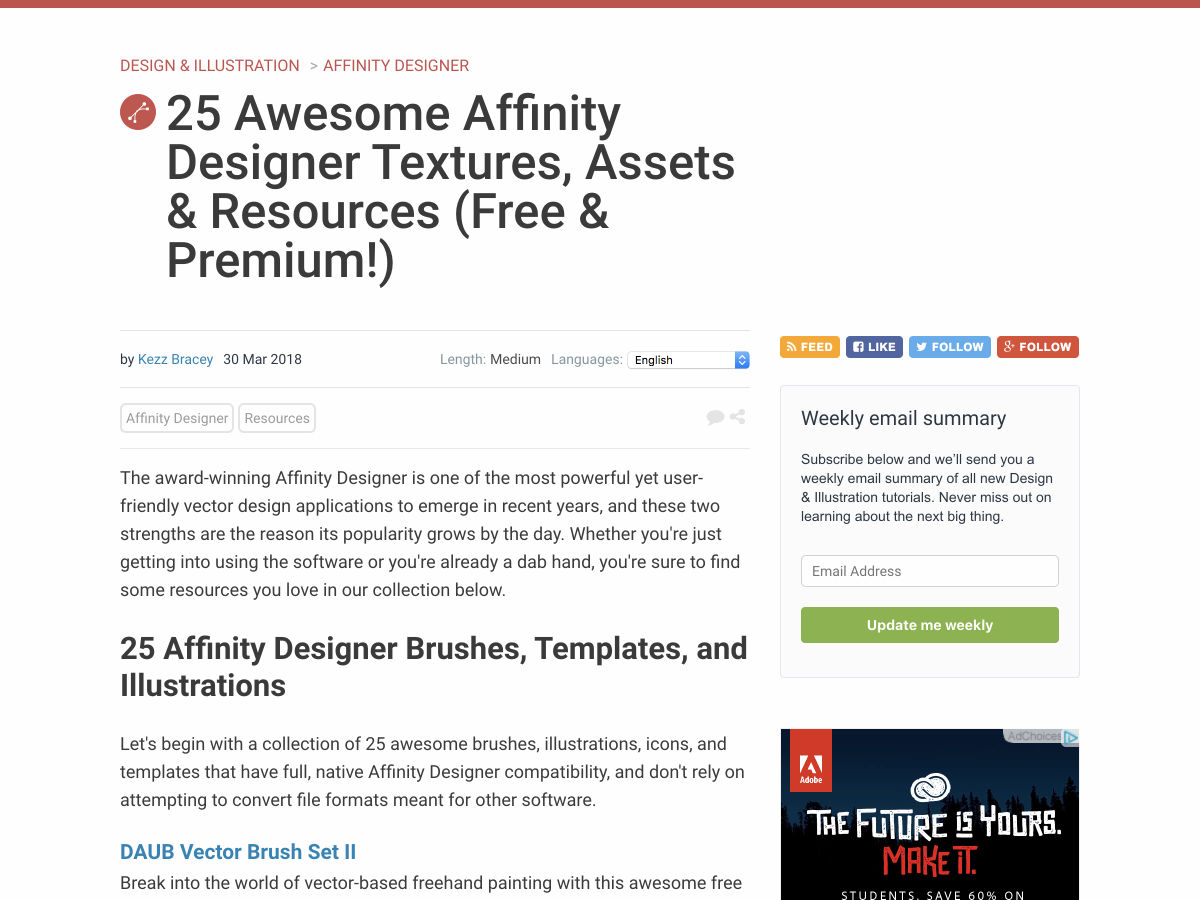
25 Awesome Affinity Designer Textures, Assets & Resources (Free & Premium!)


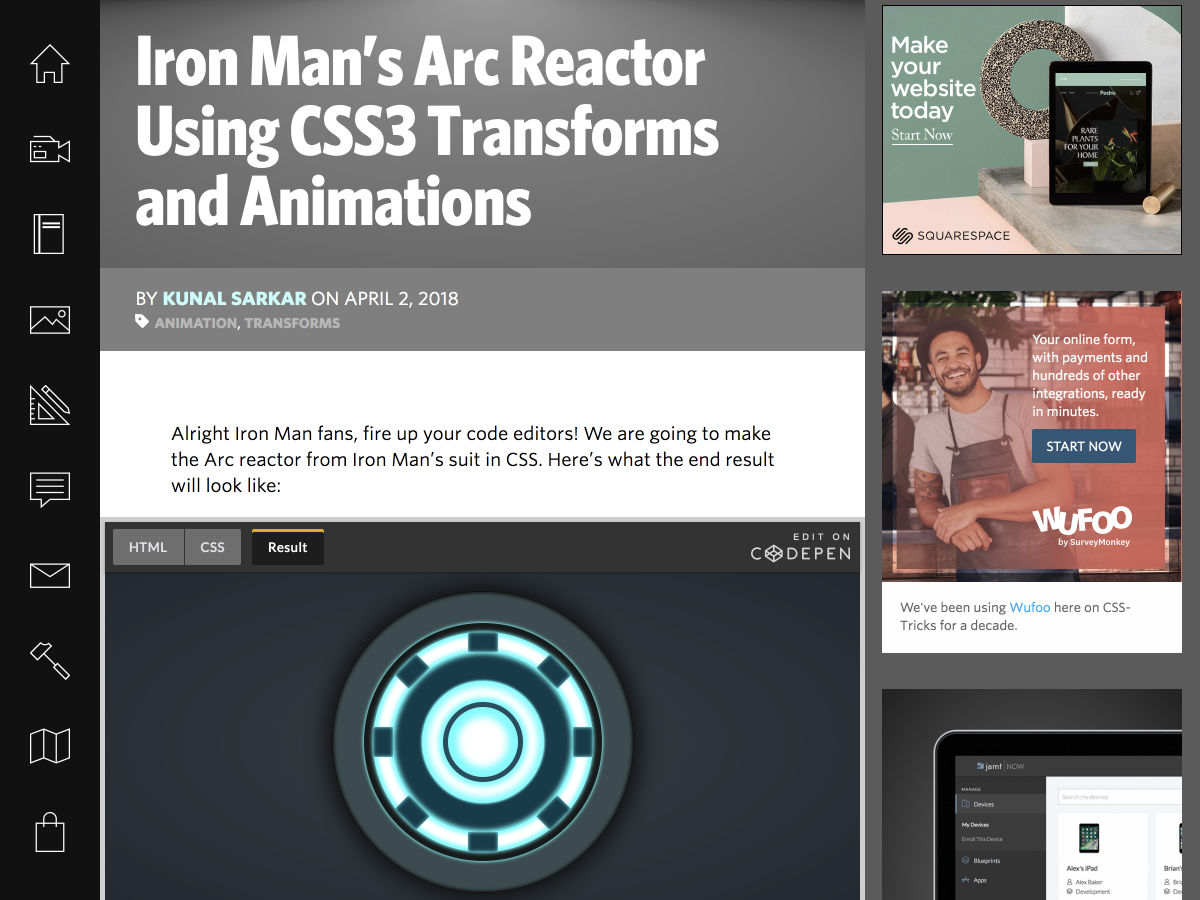
Iron Man’s Arc Reactor Using CSS3 Transforms and Animations


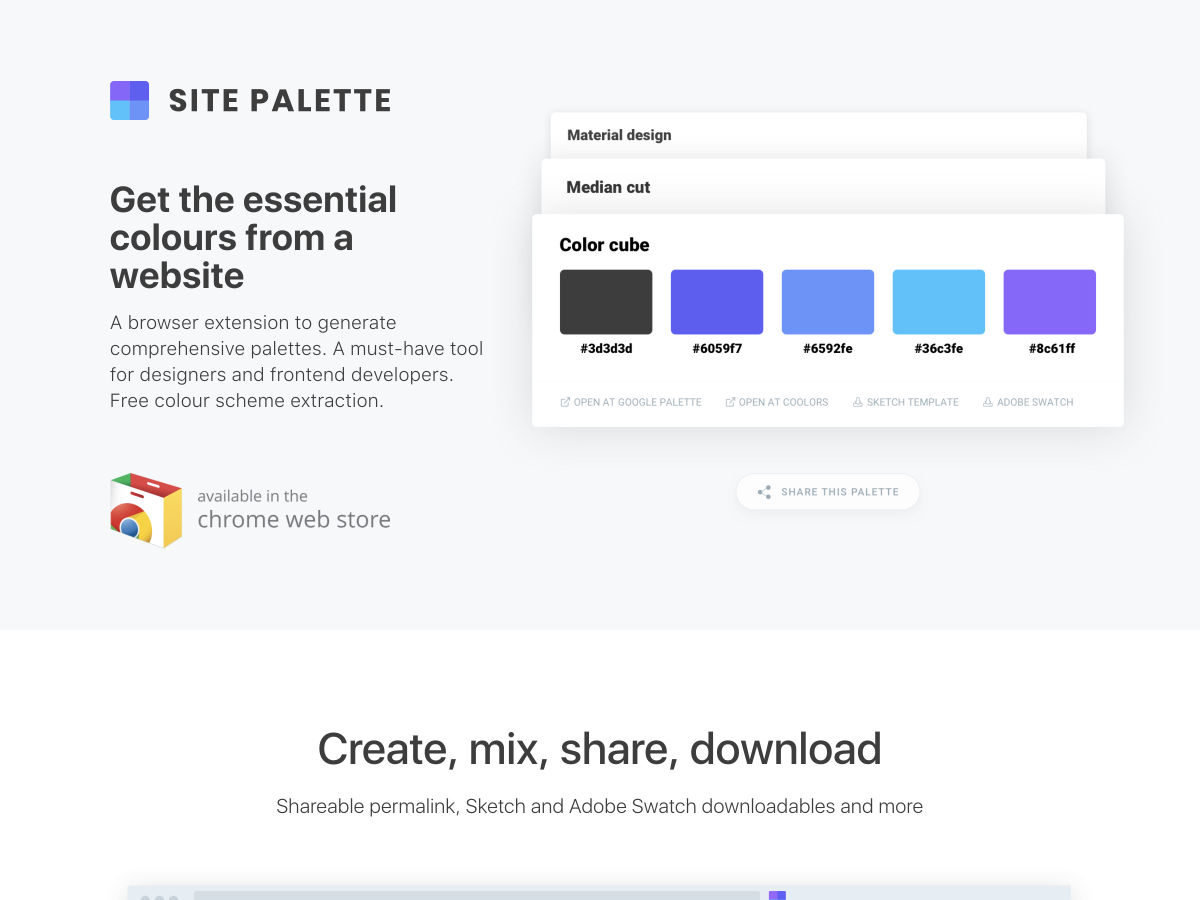
Site Palette – Get the Essential Colours from any Website


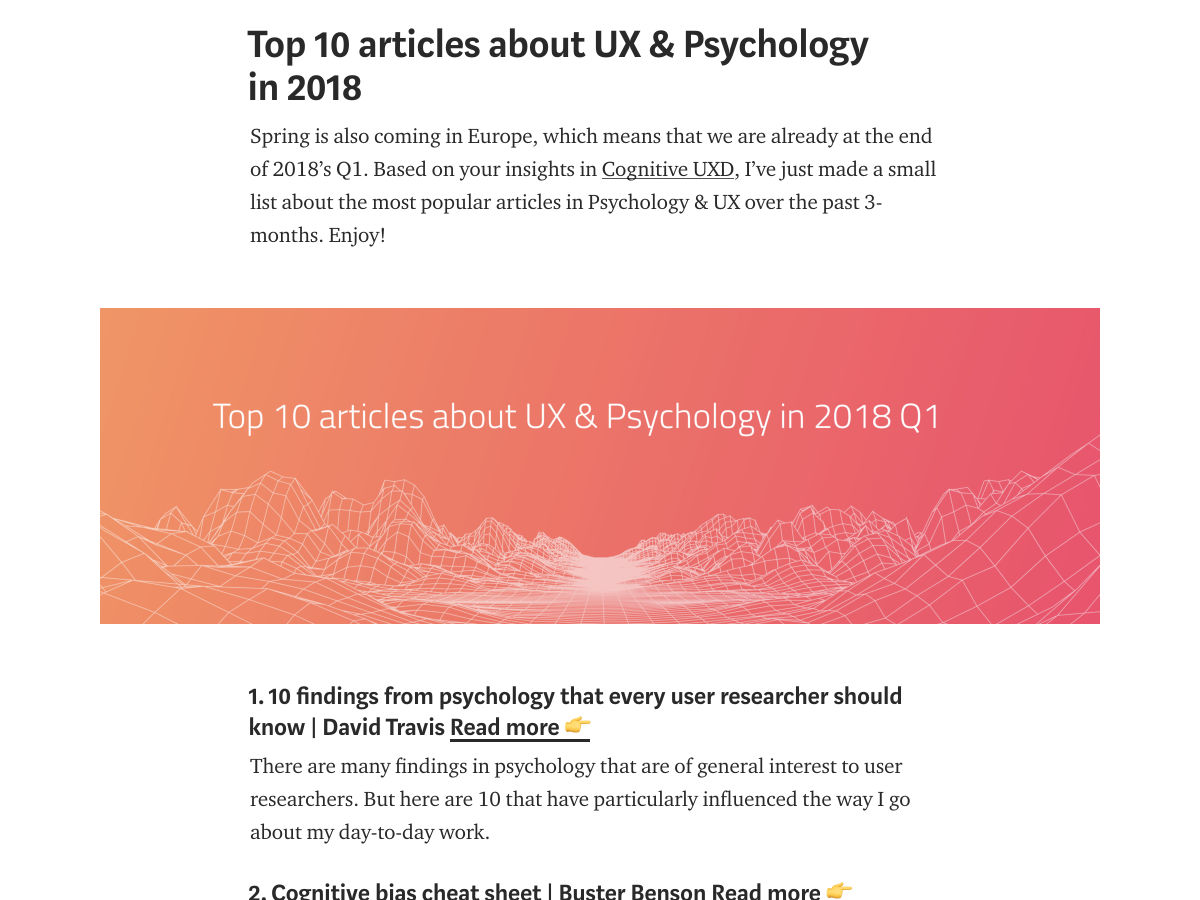
Top 10 Articles About UX & Psychology in 2018


Site Design: Toggl


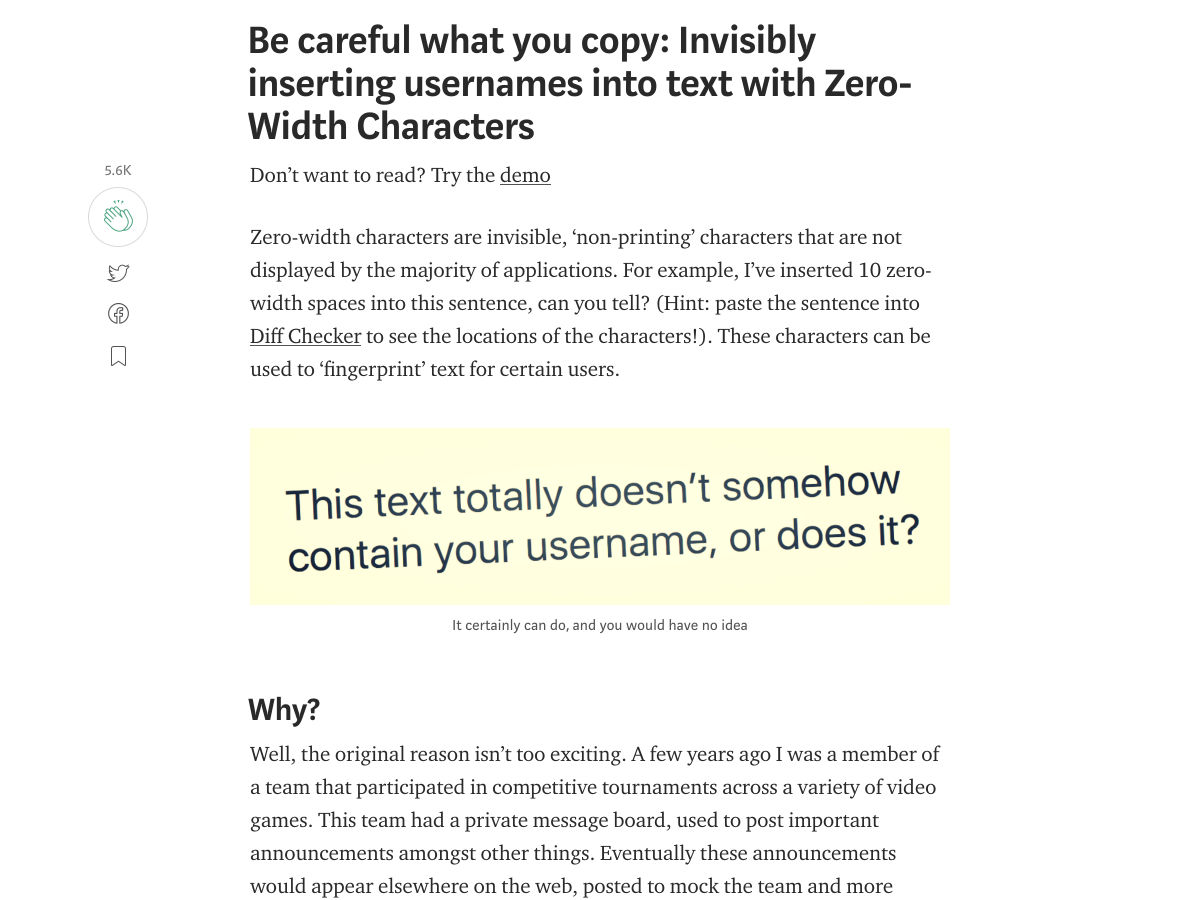
Be Careful What You Copy: Invisibly Inserting Usernames into Text


Site Design: Outrider Foundation


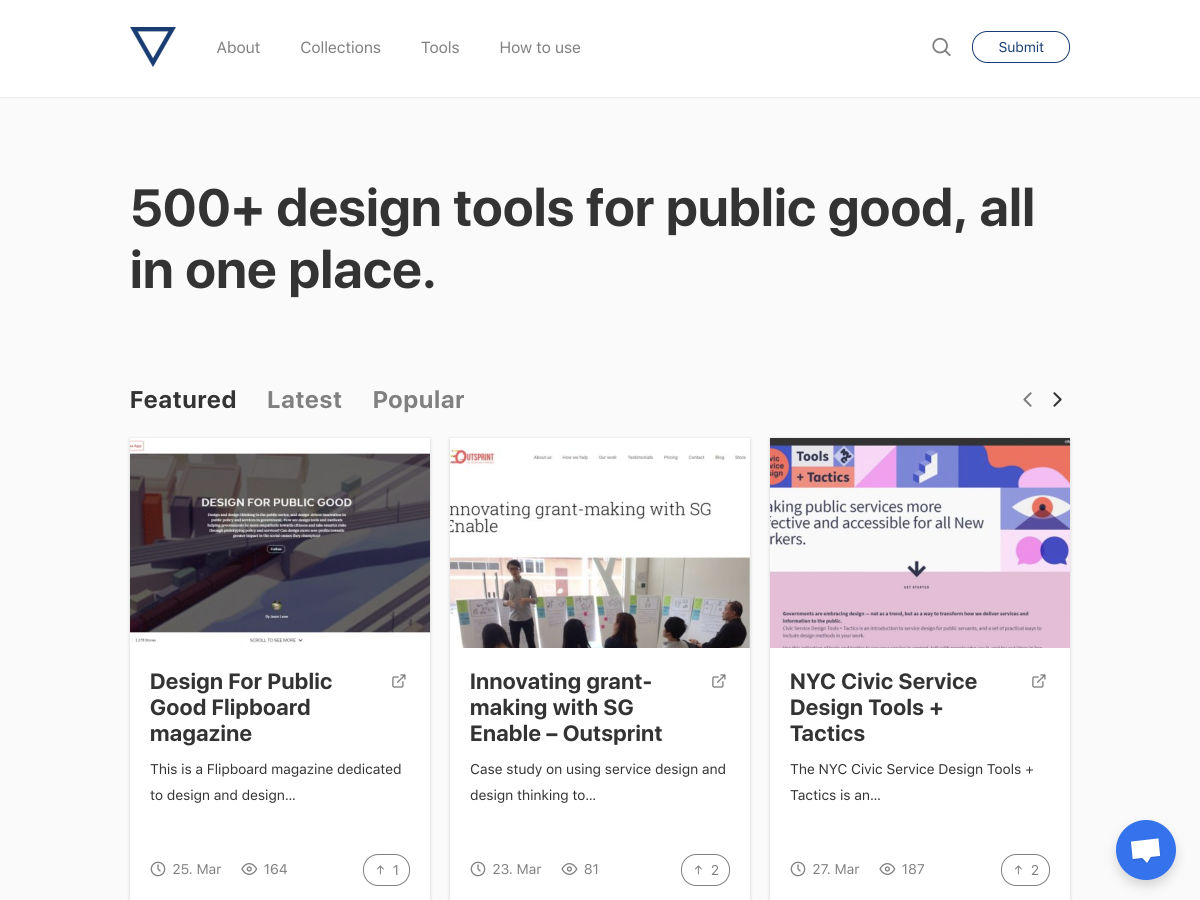
Public Design Vault – 500+ Design Tools for Public Good, all in One Place


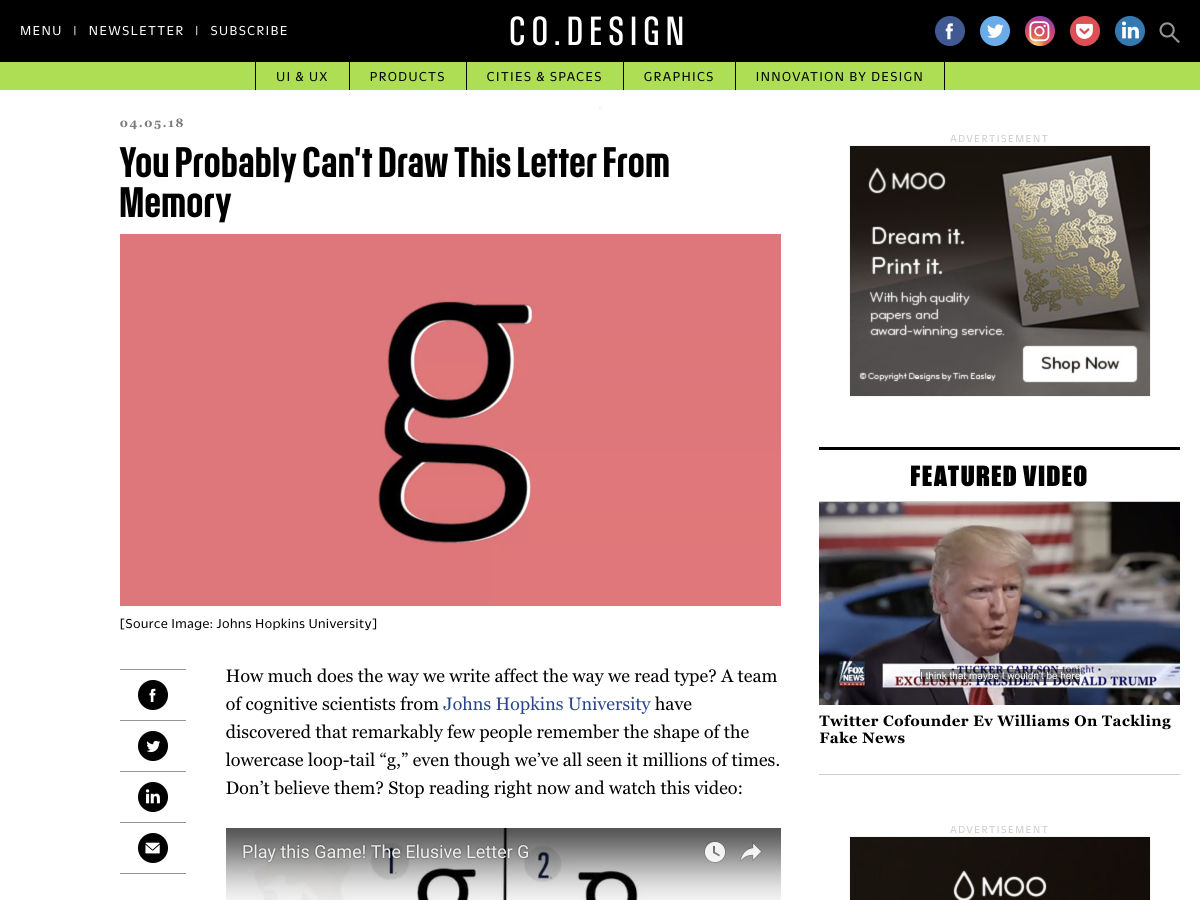
You Probably Can’t Draw this Letter from Memory


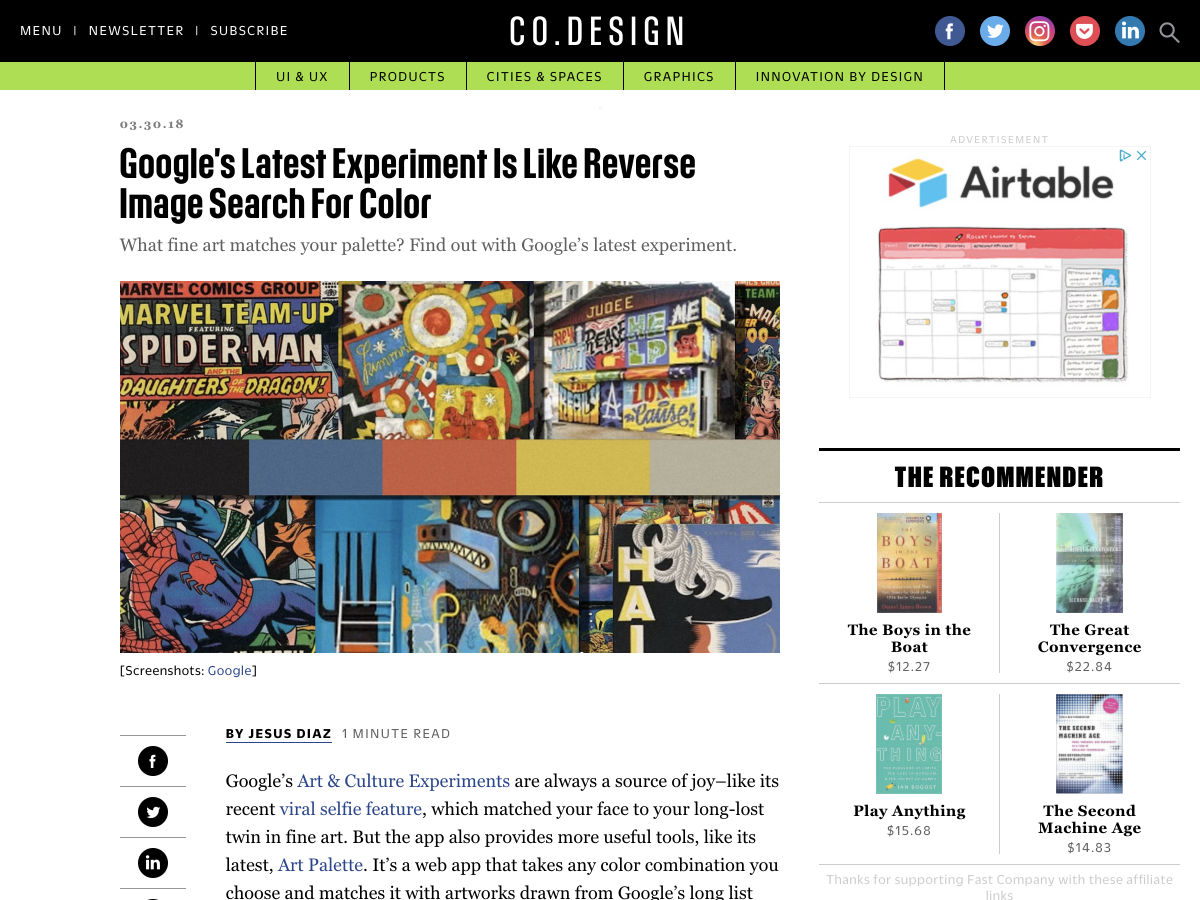
Google’s Latest Experiment is like Reverse Image Search for Color


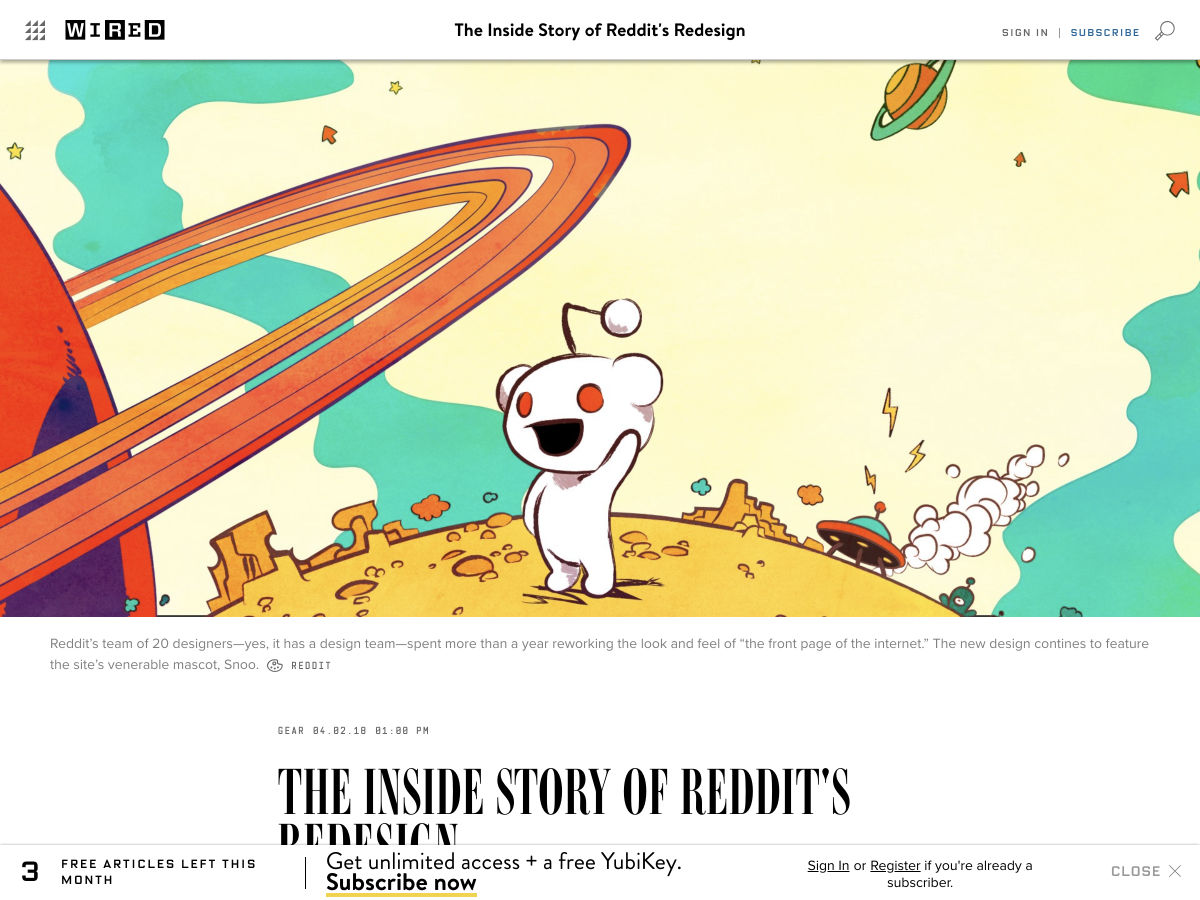
The Inside Story of Reddit’s Redesign


3 Years in the Making and 3X Faster: Introducing Craft 3


Want more? No problem! Keep track of top design news from around the web with Webdesigner News.

Add Realistic Chalk and Sketch Lettering Effects with Sketch’it – only $5!

Source

from Webdesigner Depot https://www.webdesignerdepot.com/2018/04/popular-design-news-of-the-week-april-2-2018-april-8-2018/

Friday, 6 April 2018

How to Become a Full Stack Developer

Much has been said about the skills and capabilities of a full stack developer: On one hand, there are people who believe that a full stack developer is a “jack of all trades, master of none.” The range of skills that a full stack developer is expected to have means that those skills do not reach a level of proficiency required for one to be called an “expert.” On the other hand, there are those who argue that even if full stack developers are not experts at all layers, they are still considered skilled and competent since they can perform a wide array of tasks that many people can’t handle.

Full stack developers are a gem for startups, as they provide a range of services and skills that companies with limited resources need. And with the competition in the IT industry growing fiercer than America’s Next Top Model contestants, a developer will feel the pressure to go full stack.

Should You Aim to be a Full Stack Developer?

So how can you become part of the full stack developer workforce that is greatly in demand now? Are your skills up to par with others’? Just how “full” are the stacks of such developers?

A full stack developer refers to a person who understands and has at least the basic skills to develop a product from start to finish. Some people might include design skills as essential for a full stack developer (there’s also what we call a full stack designer, but that’s another story, albeit a similar one). After all, design and development skills are crucial to each other. Sometimes it’s difficult to perform a design task well if you’re not at least familiar with basic coding and development, and vice versa.

Technology has come a super long way, which is fantastic news for mere mortals but not quite a cause for celebration for full stack developers. If fifteen years ago a full stack developer only needed to create web pages in Adobe, convert it into HTML or CSS, and know basic PHP 4.0 scripts, today’s full stack developers find themselves in a much more complicated world.

What Do I Need to Learn, to be Considered a Full Stack Developer?

If you’re determined to pursue a career as a full stack developer, these are the things you need to learn. (Take note that because many people have different opinions about full stack developers, you might need more or less than these to snag your dream job.)

Front-End Development

This one’s a giveaway. Of course you need to know HTML/CSS and JavaScript. This is what every web development student learns on the first day. These basic front-end technologies are crucial to the success of a product, so make sure you are up to speed with your skills. While you’re at it, throw in some development frameworks and third party libraries such as AngularJS and React, or even jQuery for good measure.

Medium.com outlines the steps you need to get started as a front end developer. You can also try these front end development bootcamps recommended by Course Report, as well as sites like Codecademy, Treehouse, and Sitepoint.

Back-End Development

You can’t be considered full stack if you don’t also know basic back-end development. This is where you study programming languages such as JAVA, Python, Ruby, Node.js, and PHP. Some experts recommend focusing on one or two languages and sharpening your skills there, while maintaining a good working knowledge of the others. There is no single best programming language that you must learn, as people have different opinions and therefore prefer different languages.

Here are some of the websites that offer courses on back end development: UdacityHasuraCodecademy.

Databases

Databases are also essential, because you’ll need a place where you can store all the data and access it for future use. Some of the topics you need to learn to gain full stack development skills are relational databases (MySQL), NoSQL databases (MongoDB, Redis), graph databases (Neo4j), and other web storage.

Other websites you could browse to learn about databases for full stack development are RisingStack and Mozilla.

Basic Design

As mentioned, this is one skill that you don’t need to hone, but it would benefit you greatly if you know more about it than your fellow job applicant. Having a good grasp on what makes a design both meaningful and efficient can help you a lot as a full stack developer, not to mention boost your credentials.

UX Apprentice offers free resources for learning the basics of “User Experience”(UX) design. You can also check out Google’s guide on designing great user experiences online.

Application Architecture

Learn about the architecture of web programs so you are sufficiently armed with the appropriate skills and knowledge if you want to create a more complicated web application. You can do this by working on a big application, learning by practice. If you can join a team that’s already doing this, go ahead, as this will serve as a valuable learning experience. Some topics to keep in mind: Heroku, AWS, performance optimization for applications, and model-view-controller (MVC).

Resources online like courses from Udacity and Coursera, as well as online books can help you study software applications.

DevOps

Good DevOps leads to heightened efficiency, leading to a solid product. Familiarize yourself with this relatively new term, which improves collaboration between software developers and IT teams so the work progresses faster and smoother.

Here are some websites where you could learn DevOps: Cloud AcademyUdacity.

Git

Knowing Git and how it works will be useful for you in your coding and software development work. If you are already familiar with it, great. If not, take some time and read about Git and GitHub and how it can manage changes made to source code. This is important especially if you expect to be working a lot with software development teams.

One of the best ways to learn is to actually contribute to an open source project on GitHub. Codeburst gives you step-by-step instructions on making your first contribution, allowing you to get a feel for it and familiarize yourself with how GitHub works.

Basic Computer Science

This one’s a bit tricky, since many believe that learning computer science is not necessary to be a good full stack developer. Some of these topics include algorithms and data structures. While you can succeed as a full stack developer even without any CS background, some companies look for it from their engineers. So you might benefit knowing something about CS topics.

Treehouse’s Computer Basics course is a good start for developers who want to learn the basics of CS. Udemy and Udacity also have a couple of courses on introductory computer science. This blog post on learning computer science for developers can provide you with enough information to get you started on your CS education.

Being Full Stack

You might find it nearly impossible to be adept at all of these skills, and that’s fine. Most engineers identifying as full stack developers are likewise not geniuses at all layers. However, the point of learning all these is to have a greater understanding of the things you are actually good at. Having basic skills and knowledge of the full development stack can help you work faster and more efficiently, rather than relying on others to fill your knowledge gaps. In fact, a big advantage of full stack developers is their ability to see the big picture and work well with different teams.

In the end, it’s the amount of time and effort you put in that will make you a full stack developer who’ll be the envy of all other full stack developers.

Add Realistic Chalk and Sketch Lettering Effects with Sketch’it – only $5!

Source

from Webdesigner Depot https://www.webdesignerdepot.com/2018/04/how-to-become-a-full-stack-developer/

Thursday, 5 April 2018

The Role of Place-Onas in the Future of UX

Most people are familiar with the concept of a persona—a fictional character that embodies the traits of your target audience. Marketers gather details from user research and generate a representation of their ideal client. When developing a website or smartphone app, designing for a persona helps identify how users will interact.

Recently Bill Buxton took it one step further when he introduced the concept of a place-ona, a representation that uses smart device feedback to gather data on how and where users interface with their device. Find out how place-onas might give designers and business owners additional insight into consumer behavior and work as a tool in designing for specific locations…

Always Tracking

Most users rely on their smartphones or other mobile devices to provide useful information, but they seldom stop to think about how it’s gathered. In the past, individuals worried about technology interfering with privacy, but now users invest in wearable and portable technology that makes tracking easy. That same technology can help with UX design. Most smartphones currently track the following:

  • Location: If you own an Android or have a Google account, access information on where you’ve been for as long as you’ve had your account. Google says your location history is only available to you, and it’s possible to delete portions, but many other apps provide designers with general location information after users provide consent at download. Snapchat’s Snap Map lets users share their locations and track friends using Bitmoji. Facebook Messenger and travel maps such as CityMapper display user location and helps them locate others nearby.
  • Contacts: Phones gather contact lists and store calls, text messages and conversations through social media. An analysis of your most recent contacts and social media interactions provides a clear picture of those with whom you network the most. Apple’s Find My Friends helps users locate people in busy shopping centers and WhatsApp combines your phone contact list with current location data.
  • Mood: Users post mood statements on social media for everyone to see, but that’s not the only way mobile devices track emotions. An Italian study on smartphones and mental health tracked patients for four months and found researchers could use location and activity data to predict mood with 94 percent accuracy. Adding information on call duration and recurrence enabled 97 percent accuracy.

Researchers use Apple’s Health App to unlock user information for research. Law enforcement uses smartphone data to solve crimes and assist in prosecution. Stored GPS information in a handset is more accurate than cell tower data because it includes a time stamp.

SafeGraph collects data on human interaction to create detailed maps of more than 50 million U.S. locations. They send data pings to smartphones to create high resolution GPS data and gather explicit and implicit information from large populations. They then use machine learning to check that information against third-party data such as mobile app developers and APIs to confirm its validity. Their goal is to understand how people intermingle with their physical surroundings.

Smartphones aren’t the only devices collecting data. FitBit measures how many calories users consume and their daily physical activity. Other wearable devices analyze sleep and heart rate.

Using Data To Create a Place-Ona

Bill Buxton is a computer scientist and designer from Canada currently working as one of the top researchers at Microsoft. His specialization is human-computer interactions. He believes innovation results from long-term perseverance and consistent thoughtfulness about human social interactions. He starts each new innovation by first being a keen observer. He created the term “place-ona” to explain how location and activity influences what type of technology people use.

Humans interact with technology using their eyes, ears, hands and voices. The type of input users choose depends on where they are and what they’re doing:

  • In the library, users might be studying quietly while wearing ear buds. Their place-ona would be “voice restricted, hands free, eyes free, ears free.”
  • In the car, users must keep their eyes on the road and their hands on the wheel. Their place-ona might be “eyes busy, hands busy, ears free, voice free.”
  • While people are at home preparing supper, they may not want to touch their device because of what else might be on their hands. They could be described as “hands restricted, eyes, ears and voice free.”
  • In a movie theater, users avoid using devices because screen brightness interferes with viewing. They can’t hear because of the movie volume and wouldn’t use voice input. Their place-ona restricts all forms of input.

In the library, the preferred input method would be touch. In the car, or while cooking, users would prefer to use voice. Users often silence their devices and put them away during a movie and are unlikely to respond to any type of communication.

Potential Uses

Location-based advertising allows marketers to target specific consumers with responsive billboards or text coupons triggered by proximity. A place-ona might eventually enable brands to make advertising even more hyper-targeted.

When someone is on a bicycle, his or her eyes and hands are restricted, but ears and voice are available. When the cyclist passes an advertisement or vendor for athletic apparel, they might be interested in receiving more information. If they had to wait until they got home to look it up, they are likely to forget, but they could verbally indicate interest and provide an email address to receive a coupon.

Designers are constantly looking for ways to make technology less intrusive and more intuitive to allow the user to remain immersed in the experience rather than having to disengage to interact with a machine. Body tracking applications and place-onas provide insight for designers and might be used in some of the following ways:

  • In healthcare, designers are seeking to create touchless image manipulation for use during surgery and clinical evaluation. Solutions might use voice or gestures.
  • Advances may result in interactive cooking apps where devices sense from user gestures and responses when it is time to move on to the next set of instructions.
  • Video games might integrate environmental factors like lighting, furniture arrangement and background noise into play.

Place-Onas and Bots

Bots are only beginning to integrate into everyday life, and brands are still trying to decide whether text or chat bots offer the best interaction. A user’s place-ona indicates what type of bot is most appropriate. When users are at home or in their vehicles, they feel comfortable conversing aloud with a voice user interface. When they are in public, they are less likely to want verbal interactions.

When developing a bot, consider how the user might feel about asking questions aloud. A teenager interested in acne medication isn’t likely to want to talk about it aloud no matter what their environment. A health care product may be something people purchase every day, but some users might feel uncomfortable talking about it at the gym or while using public transportation.

In other situations, a place-ona would indicate the need for a voice user interface. Someone bringing in groceries and starting lunch has their hands and eyes occupied. When they realize they forgot eggs, they may not want to stop, wash their hands and touch their phone or computer to add items to their online list. They might prefer to interact with the AI in their refrigerator verbally because of where they are and what they’re doing.

As user data becomes more accurate and comprehensive, it will provide usable data that changes the way people interact with machines. A place-ona is just another tool designers can use to make experiences more accessible to the user.

Add Realistic Chalk and Sketch Lettering Effects with Sketch’it – only $5!

Source

from Webdesigner Depot https://www.webdesignerdepot.com/2018/04/the-role-of-place-onas-in-the-future-of-ux/

Tuesday, 3 April 2018

Reddit Launches Judicious Redesign

Reddit, the self-proclaimed ‘front page of the internet’ is getting its first redesign since the heady days of IE7, and George W. Bush’s presidency.

First announced over a year ago, the challenge for Reddit’s in-house team of 22, has been how to update the platform to appeal to new users whose expectations are much evolved from the early web, without alienating old Reddit users comfortable with the status quo.

Reddit has often been hailed as an example of a site that prospers without design; if Reddit can thrive with the same old clunky UI, then why should any company invest in design services. In actuality Reddit established itself using an early version of iterative design. Most of its most recognizable features were developed and integrated without the pomp and ceremony of a full redesign.

Reddit currently serves …4.5% of the human race

Then in 2008, everything stalled. The original founders—now back at the helm—were replaced by a series of CEOs unable to cope with the demands of a site the scale of Reddit. If anything, 2018’s redesign is a return to the approach that first secured Reddit’s place on the web.

Reddit currently serves almost a third of a billion users—that’s just shy of 4.5% of the human race. When taking on a redesign of this size, only one thing is really certain: some users will love it, others will hate it, others will wait and see what others think and then furiously retweet opinions late into the night.

If you redesign Reddit…you’re inherently changing the internet.

~ Diego Perez, Reddit’s Head of Design, speaking to Wired

From a design perspective, it’s always difficult to critique a design without being party to the brief, without sitting in on the feedback meetings, without a detailed understanding of what the challenge is for Reddit. Like a game of Jeopardy! we have the answer, what matters is whether it matches the question.

Reddit’s design challenge is more complex than most because as a site, it had been left to seed. A wild west of different communities, each with their own ideas, the new site design has to unify them all, without threatening the independent spirit that makes them what they are.

Wired have published the inside story of the redesign, which is a fascinating read, but certainly glosses over the more challenging parts of the process. Reddit we’re told, employed just two UX researchers to assess the onboarding experience; their research process was to wander around outside Reddit HQ approaching different people with their laptops.

With a decade of neglect, an opinionated user base, and fewer resources than many startups, it’s a minor miracle that Reddit’s design team delivered anything at all.

it’s a minor miracle that Reddit’s design team delivered anything at all

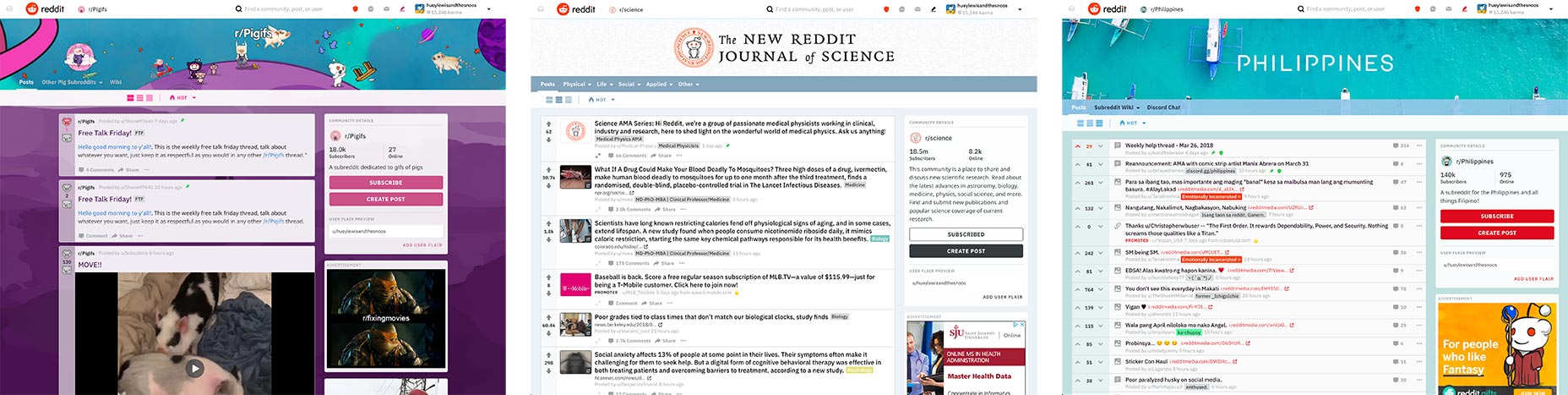
As of today, 1% of users will see the new design. Over the coming months the new design will be rolled out globally. There are three design options for users to choose from: Classic view (basically old Reddit with the new features added), Card view (how most users will use the site), and Compact view (for scanning content quickly). In any other context I’d take the view that three different ‘designs’ indicate a difference of opinion in the design process that hadn’t been properly resolved. In Reddit’s case it feels like an acknowledgement of the different needs of different groups.

Card view (left), Classic view (center), Compact view (right)

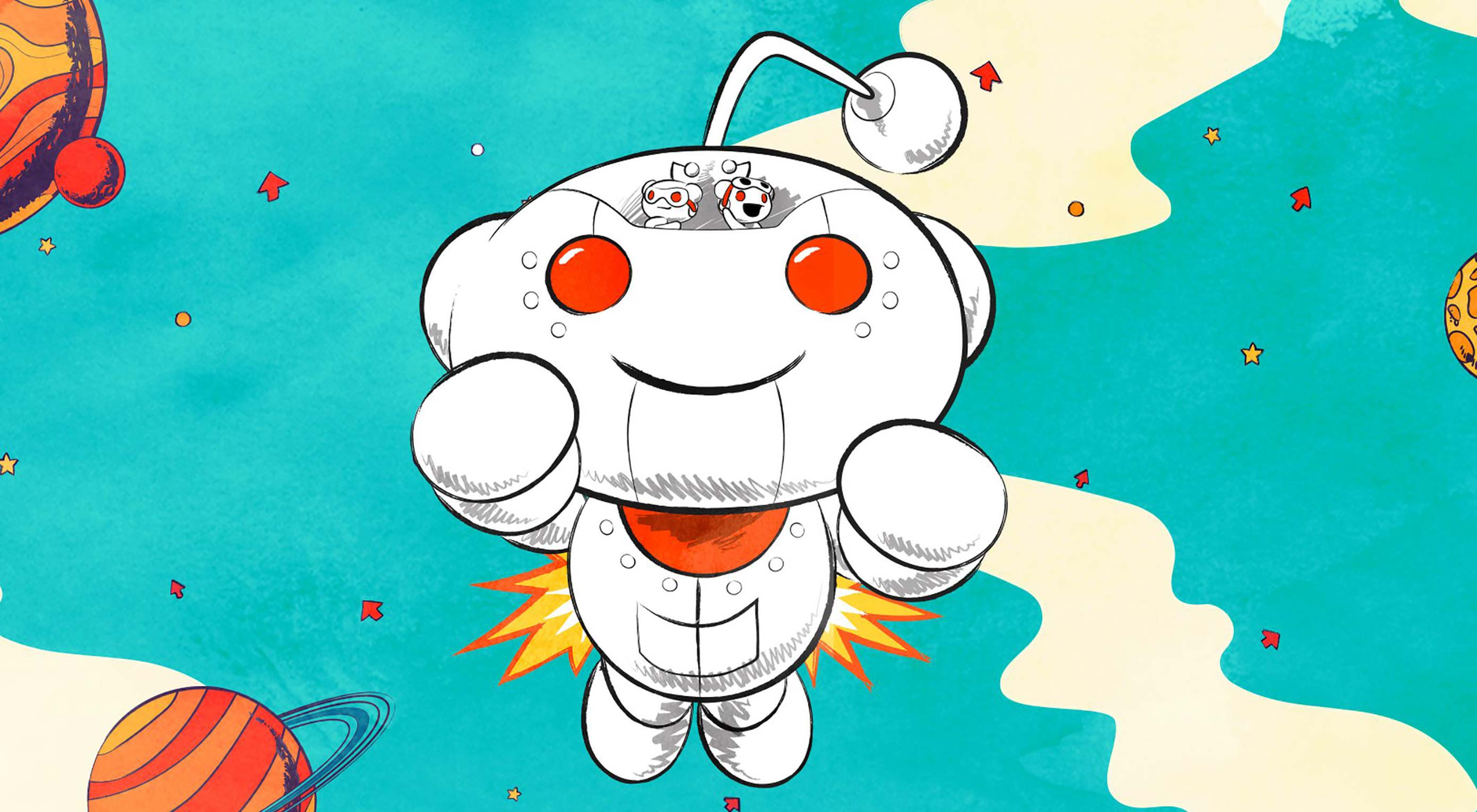
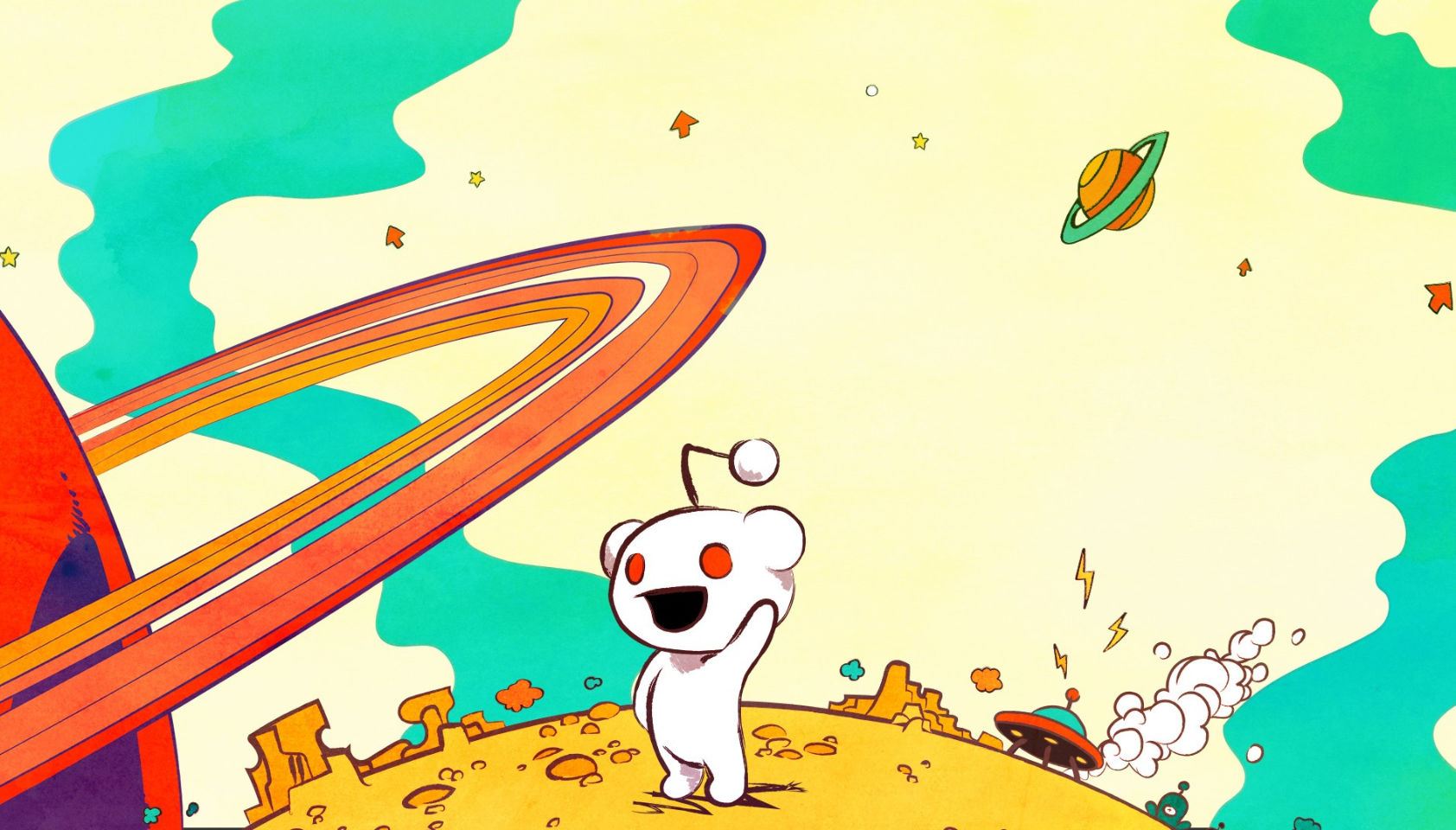
Snoo, the site’s mascot has also received an update. Now, instead of standing around looking dopey, he’s dynamic and expressive. The reimagining of Snoo, and its integration into the brand from illustrations to Snoomojis, is excellent. While a cutesy mascot is not everyone’s cup of tea, if you’re going to do it, you may as well do it well.

The UI design is not entirely successful though. The menu bar has been replaced by a menu stuck to the top left corner of the UI. These types of menus are popular with designers—they crop up a lot on design showcases—but rarely test well with users. I’d be surprised if that decision isn’t revoked at the next iteration.

Much of the redesign is intentionally invisible, with efforts being diverted into areas that only Reddit users will notice, such as the ability to post text and images in a single post, or the introduction of WYSIWYG controls for formatting. The most significant design changes are the less obvious ones: the welcome decision to ignore Material Design, posts opening in modals instead of new windows, the stylistic distinction between internal and external links.

Reddit’s redesign is almost invisible. Like most successful redesigns it strikes a judicious balance between where the site is, and where it wants to be.

Add Realistic Chalk and Sketch Lettering Effects with Sketch’it – only $5!

Source

from Webdesigner Depot https://www.webdesignerdepot.com/2018/04/reddit-launches-judicious-redesign/

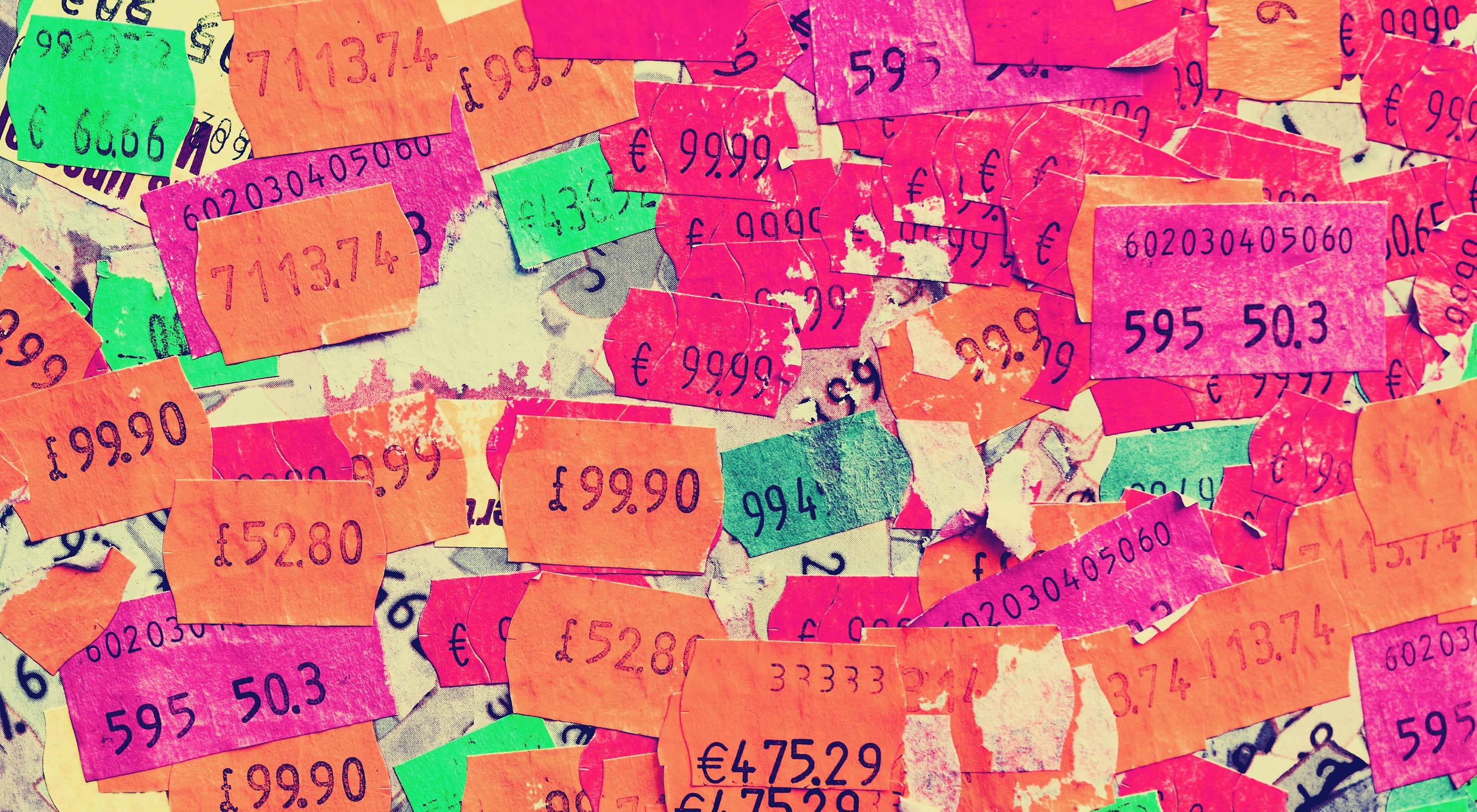
The Psychology of Price in UX

As humans, we tend to rely heavily on one piece of information when we make decisions. We often anchor on the first piece of information we are introduced to and judge all subsequently received information in relation to it.

The first piece of information offered automatically becomes the anchor, from which subsequent judgements are made. Anchoring is the persuasive practice of creating a reference point around which we as designers want all other information to be judged and compared to.

Anchoring in the Real World

Do this test at home: Find 3 bowls. Fill one bowl with cold water, the second with hot water and third one with lukewarm water. Now, stick one hand in the cold water and the other one in the hot water and keep them there for 30 seconds or so. Now put both of your hands into the lukewarm bowl. What you will feel now is that one hand will feel the water is warm, the other one that it’s cold.

Nothing is cheap or expensive by itself, cost is always relative.

It’s about the contrast. The same principle applies to price and other comparisons. Nothing is cheap or expensive by itself, cost is always relative. So how can we establish a comparison that makes your price seem cheap?

Once you’ve seen a 150 dollar burger on the menu, 50 dollars sounds reasonable for a steak. What’s the best way to sell a 2,000 dollar wristwatch? Right next to a 12,000 dollar watch. 4 dollars seem expensive for a beer in a run down grocery store, but cheap at a luxury hotel. This mental process has a name. It’s called anchoring & adjustment.

How Anchoring & Adjustment Works

Within milliseconds, we evaluate a price, as either high or low. So how do we determine whether a price is high or low? The obvious answer is that it depends on the context and situation. While that is true, it is probably not entirely in the way, you think it does.

We tend to go through a standard process, when we make a determination whether something is cheap or expensive. When seeing a price, people either consciously or subconsciously generate a reference price; the reference point, from which subsequent judgements are made and the price people would expect to pay for a specific product; the anchor.

The reference price is based on a combination of factors such as past purchases, the prices of your competitors products, and the time and place.

we gladly accept more expensive beer prices at a fancy night club at 1 AM than we would accept at an outlaw hillbilly saloon

For example, we gladly accept more expensive beer prices at a fancy night club at 1 AM than we would accept at an outlaw hillbilly saloon.

If a product is more expensive than the reference price, then people will perceive the price of the product to be high. Similarly, if a product is cheaper than the reference price, then people will perceive the price as being low.

It seems like a very simple and very intuitive process. And it is, for the most part, but once we start breaking down the adjustment process, you will notice several opportunities. In particular, there are three places where you can make your price seem lower than if you think anchoring and adjustment into your game plan:

  1. How your price is perceived as consumers generate their reference price
  2. How the reference price is perceived as consumers pull your price into comparison with their reference price
  3. In the actual comparison as consumers examine the gap between your price and the reference price

Let’s examine all three:

1. Maximizing the Generated Reference Price

One strategy is to try to maximize the reference price customers generate to begin with. If your goal is to reframe the reference price people generate toward a higher numerical value, you can follow one of these two strategies:

  1. initiate negotiations with a high number;
  2. pricing your new offer lower than the old.

Initiate Negotiations With a High Number

If you are negotiating, it makes sense for sellers to initiate by setting a high anchor. By setting a high price as anchor point, the likelihood of the final settled price being closer to that range is higher.

A very common application of this anchoring strategy is when shops show the “suggested retail price”. By showing the suggested retail price next to a sale price, the sale price is anchored to the suggested retail price, which is the reference.

What wouldn’t have seen as a big deal without a comparison, suddenly seems like a bargain. A cheap price doesn’t become cheap, unless we compare it with a more expensive alternative. Setting a fair suggested price gives the customer a true sense of value. It won’t prevent low offers, but it will keep more buyers in your ballpark.

Exposing higher prices, even for unrelated products, anchor people toward the higher end of the price spectrum. So instead of just showing one product, show what else you have in store that are priced higher.

Pricing Your New Product Lower Than Your Old Product

Anchoring effects occur subconsciously, so consumers don’t need to spend conscious mental energy contemplating a numerical anchor. The mere exposure of a higher number is all that is needed to trigger an anchoring effect that will result in a higher reference price.

When launching a new and more expensive version of your current product, your current product will naturally set the reference price of the new version. If you are introducing a new version of a product that currently costs $19 dollars, and want to sell your new version for $25, the most intuitive thing to do, would be to lower the price of your older version in order to sell out.

However, if your objective is to sell as much of your new version as possible, that strategy might not lead to the best results. Instead, raising the price of your old product will raise people’s reference price, and in turn enhance the perceived value of your new product. In other words: you will release your new product into more favorable conditions.

If you choose to lower the price of your old product, you will reinforce the lower reference price and make your new product seem more expensive.

2. Pulling a Low Price into Reference Price Comparison

For your offer to seem cheap, your objective is to pull in a lower price into the comparison—to reframe your price toward a lower numerical value. If your goal is to let users pull in a lower reference price, you can follow one of these three strategies:

  1. Use partitioned pricing and split up your price into smaller bits
  2. Offer customers to pay in smaller increments
  3. Highlight the daily equivalence to anchor people to the lower end of the spectrum.

Partitioned Pricing

Even when people know it’s not really an accurate comparison, exposing people to lower numerical values will still alter their comparison process

One way to reframe your price toward a lower numerical value is by utilizing “partitioned pricing” – breaking up your total cost into multiple components. This will allow you to anchor people on your base price, rather than on the true total costs.

Research shows that it’s usually more effective to separate shipping and handling fees. That way, when you show a lower numerical base-price, people will be more likely to pull that number into the comparison rather than considering the overall costs.

Even when people know it’s not really an accurate comparison, exposing people to lower numerical values will still alter their comparison process.

When people compare your price to a reference price, they’ll be more likely to pull your base price into the comparison. But beware, if the common baseline includes shipping costs and is prominently marketed by competitors, this tactic might backfire.

Offer Payments in Increments

Another way to reframe your price is to give people the option to pay for your product in smaller increments rather than one lump sum. This will help anchor people on the small price.

If you are selling an online video course for $150, splitting it up into 3 chunks of $50 dollars, alters people’s comparison process. Instead of comparing your full price of $150, customers will compare your increment of $50 to competitor’s lump sum price of, for instance $130. This makes your product seem more appealing.

It’s not that your customers are stupid; they know that comparing $50 and $130, isn’t an accurate comparison

It’s not that your customers are stupid; they know that comparing $50 and $130, isn’t an accurate comparison, but subconsciously the small increment price sneaks into their comparison.

In South America, paying in installments is common practice. Breaking a $659 product into 12 installments of $84 makes the action of buying easier, as the customer anchors to the reference price of $84 rather than of the $659.

Daily Equivalence

Another way to reframe your price is to mention its daily or monthly equivalence. If you have a monthly subscription price of $29.99, reframe the price as $1 per day.

Your regular price should remain your primary focus. But, the simple act of mentioning its daily equivalence, anchors people toward the lower end of the price spectrum.

At Lynda.com, the subscription price is prominently displayed as a monthly price, even though you are billed yearly.

If you find it hard reframing your price into a specific daily cost, the same effect can be achieved by comparing your price to a petty cash expense, such as a cup of coffee.

3. Emphasizing the Gap in the Actual Comparison

The last strategy is to maximize the perceived distance between your price and higher reference prices; to emphasize the gap. Here, one tactic is to add a “decoy product”—to let other products act as reference prices.

The researcher, Dan Ariely, observed the concept in the Economist back in 2008. In an ad selling subscriptions, they gave customers three choices:

  1. An online subscription for $59
  2. A print subscription for $125
  3. Getting both for $125

Which offer do you think was the most popular? Dan Ariely tested the options on 100 students, who answered what plan they would choose: most people wanted the combo deal. Nobody wanted the print subscription in the middle—as it made no sense at all to choose something less for the same price.

If you have an option that nobody wants, you might think the obvious thing to do would be to leave it out. This is why Dan Ariely did another version of the offer, where he eliminated the middle option and gave it to another hundred students.

In the second study, the most popular option became the least popular option, and the least popular became the most popular. What was happening was the useless option in the middle was useless in the sense, that nobody wanted it, but it wasn’t useless in the sense that it helped people figure out, what they wanted. In fact, relative to the option in the middle – the “get print for $125”, the “print and web for $125” looked like a fantastic deal and as a consequence, people chose it.

We often don’t know our preferences that well. And because we don’t know our preferences that well, we are likely to be influenced by external forces.

Putting it all Together: Designing Pricing Tables

There are several tactics in which you can utilize the anchoring and adjustment principle to make your offer seem cheap to the customer:

  • introduce partitioned pricing;
  • offer payments in increments;
  • show the daily equivalence;
  • initiate negotiations with a high precise number;
  • you can raise the price of your previous product when introducing a new one;
  • offer a decoy product.

Lets see how some of these tactics have been applied in the design of one of the most used design patterns online: pricing tables.

  • Highlight differences and not similarities in your offerings in order to allow proper comparison.
  • Create a middle-of-the road best-deal offer. You will want to use the other offerings as anchors to this deal.
  • Show daily or monthly equivalences if you’re in doubt that users will think your monthly or yearly subscription cost might seem too expensive.
  • Add a decoy. Your cheapest offering is your lowest anchor. Make it decent, but not overly attractive. This will help make your preferred offering seem like a much better deal. By creating the feeble base offering, your customer becomes anchored to a minimum price. A slightly more expensive but hugely more valuable plan will then look like a steal.
  • Keep comparisons to a minimum. Be careful adding more then 4-5 options. You want to make the process of comparison as easy as possible.
  • Don’t scare people away. No two customers are the same. One might just be interested in a small corner of your product, while another will find value in its entirety. Make sure that you don’t scare people away who weren’t going to buy your own preferred option in the first place.
  • Always test. Some of these suggestions seem bizarre and some don’t work all the time. Oftentimes theory and practice don’t align. This is why I recommend A/B testing everything you do.
Add Realistic Chalk and Sketch Lettering Effects with Sketch’it – only $5!

Source

from Webdesigner Depot https://www.webdesignerdepot.com/2018/04/the-psychology-of-price-in-ux/
Monday, 2 April 2018

3 Essential Design Trends, April 2018

Shapes and typography are two elements that can add a lot of impact to a website design project even when they don’t always occupy the greatest amount of space. How to design shapes and typography with a little extra something is definitely on the trends radar this month, with plenty of projects using this concept.

Here’s what’s trending in design this month:

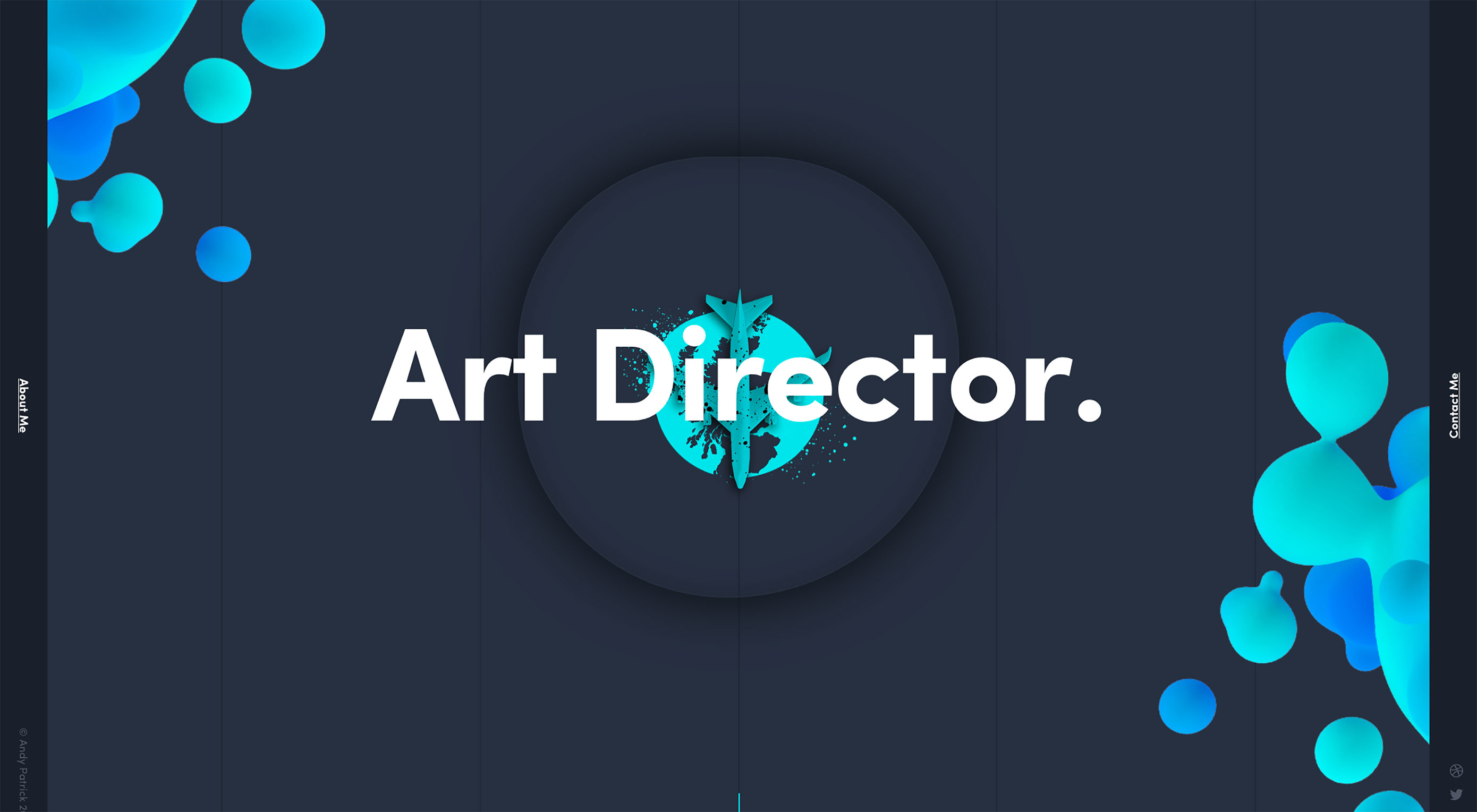
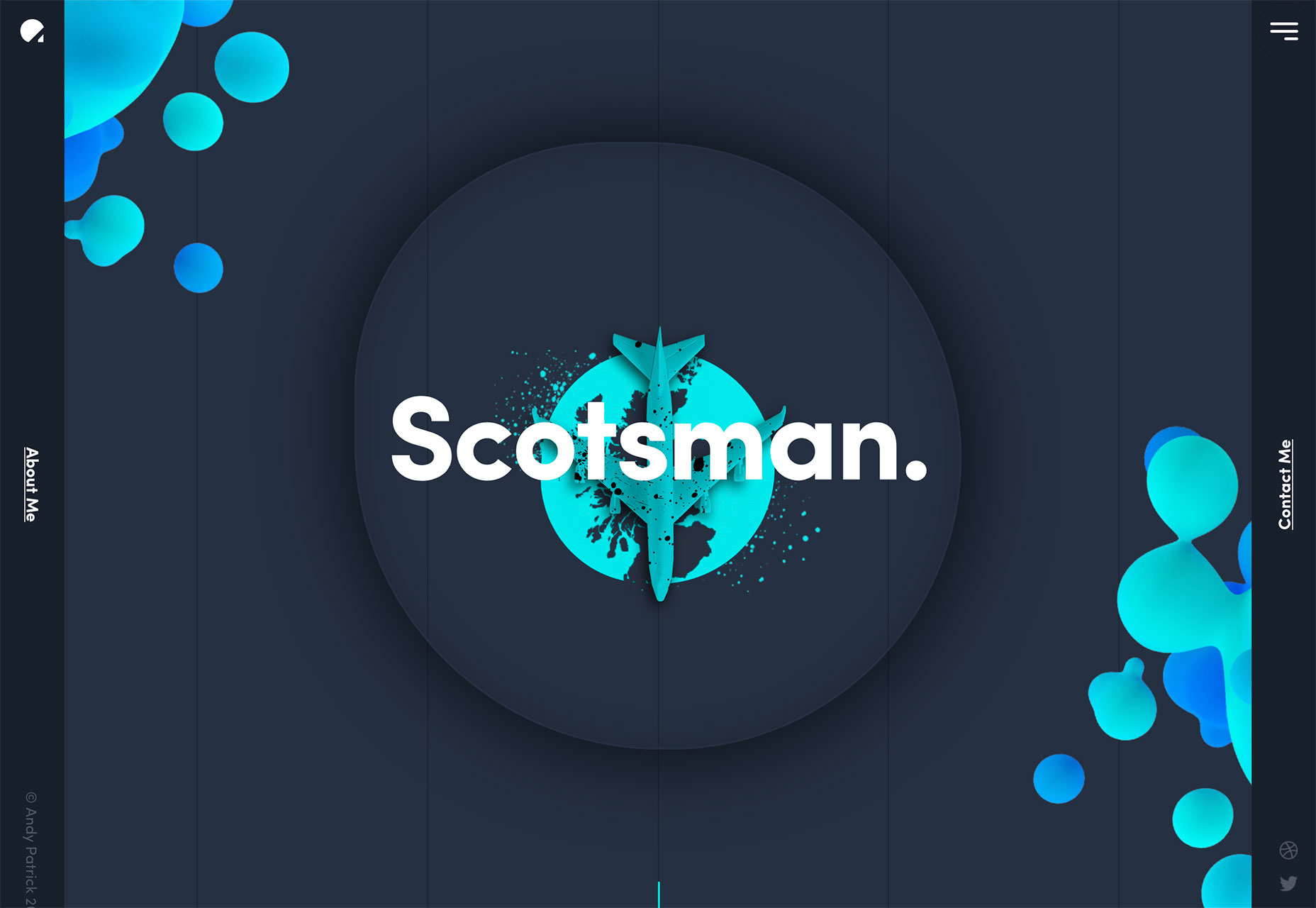
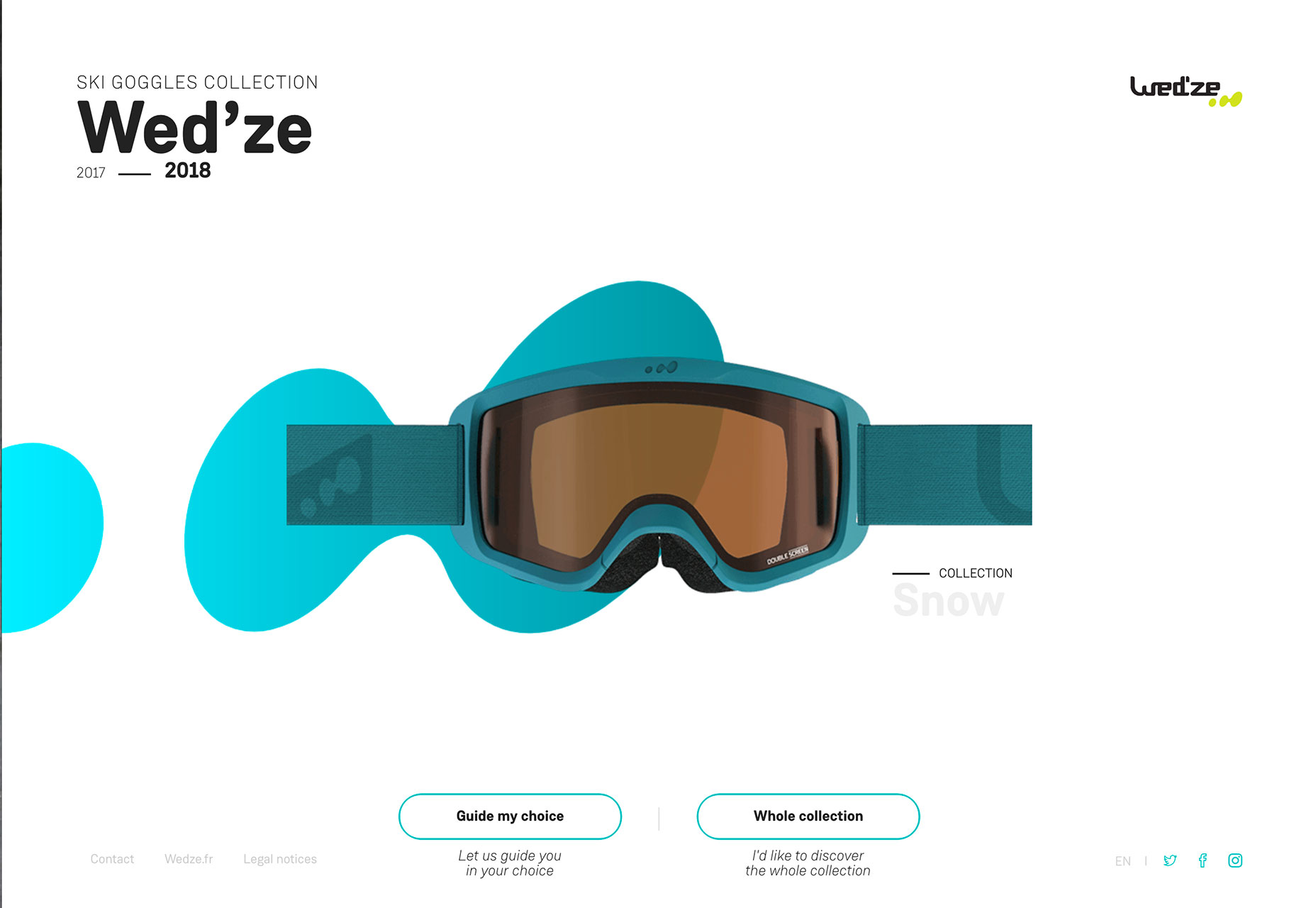
1. Bubbles and Blobs

Loose shapes without clearly defined forms are showing up all over the place. While most of these shapes are somewhat round in nature, that’s not always the case.

Often these “blobs,” for lack of a better description, serve as accents to draw the eye into a project and highlight specific content (most notably the main headline). What’s neat about using these blobs is that every project looks different, even when using the exact same concept.

Shapes can be pretty much any color, although subtle gradients are especially popular, as are bright color choices. Shapes can be soft and fluid or more intentional and sleek.

Designers are using blobs to frame the canvas, highlight elements to create depth, include a hint of animation in a place that might otherwise feel static and incorporate a design element that’s just a little bit funky. All of these reasons lead the design to the same result—a key visual entry point for users.

Whether your shape is more of a bubble – more round and bouncy design element—or blob—a more shapeless, fluid element—it can be a fun and visually interesting way to draw users in. These shapes can also serve as a visual “thread” between elements and pages in the design. This technique is particularly helpful when the content or images don’t have an obvious flow.

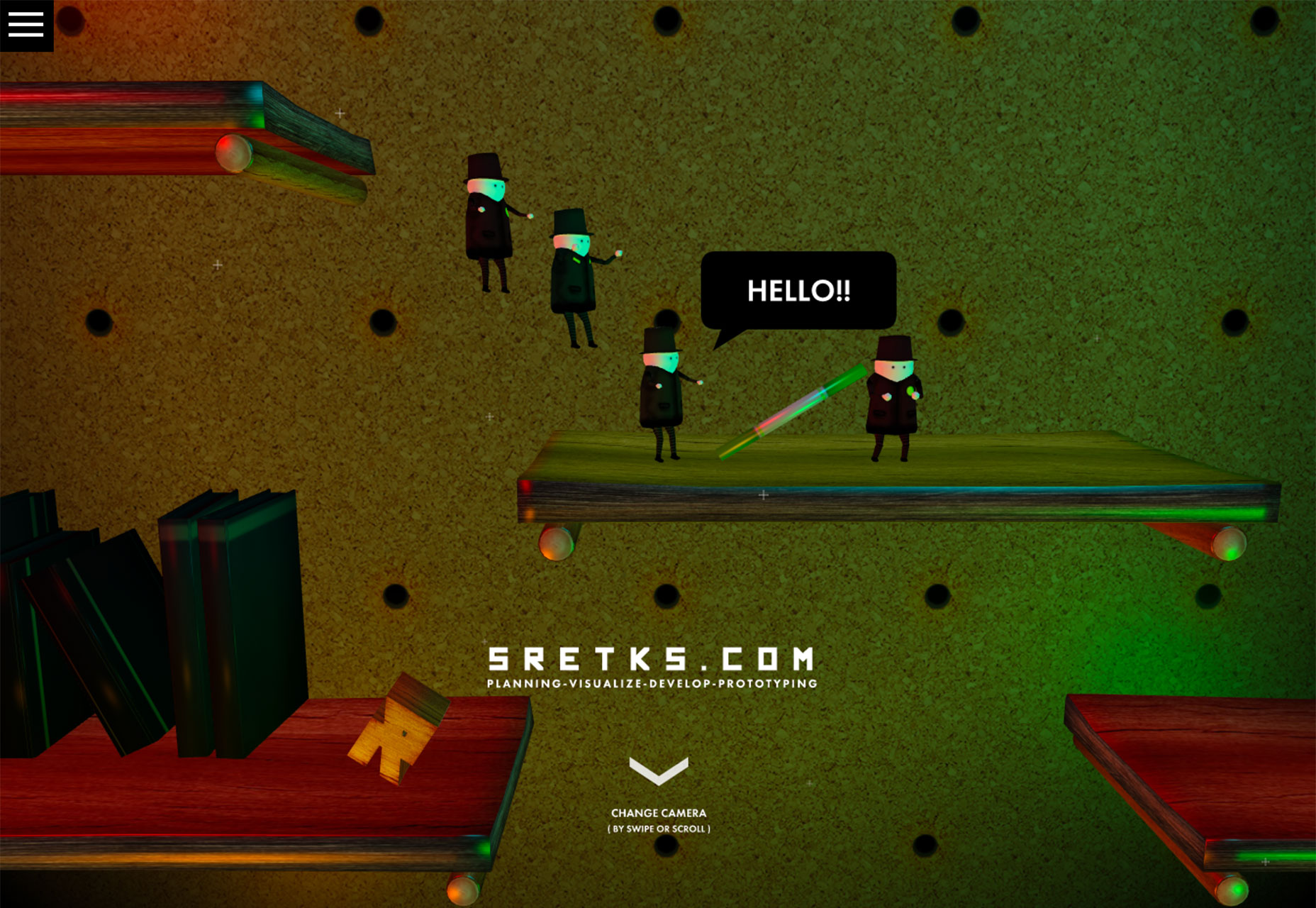
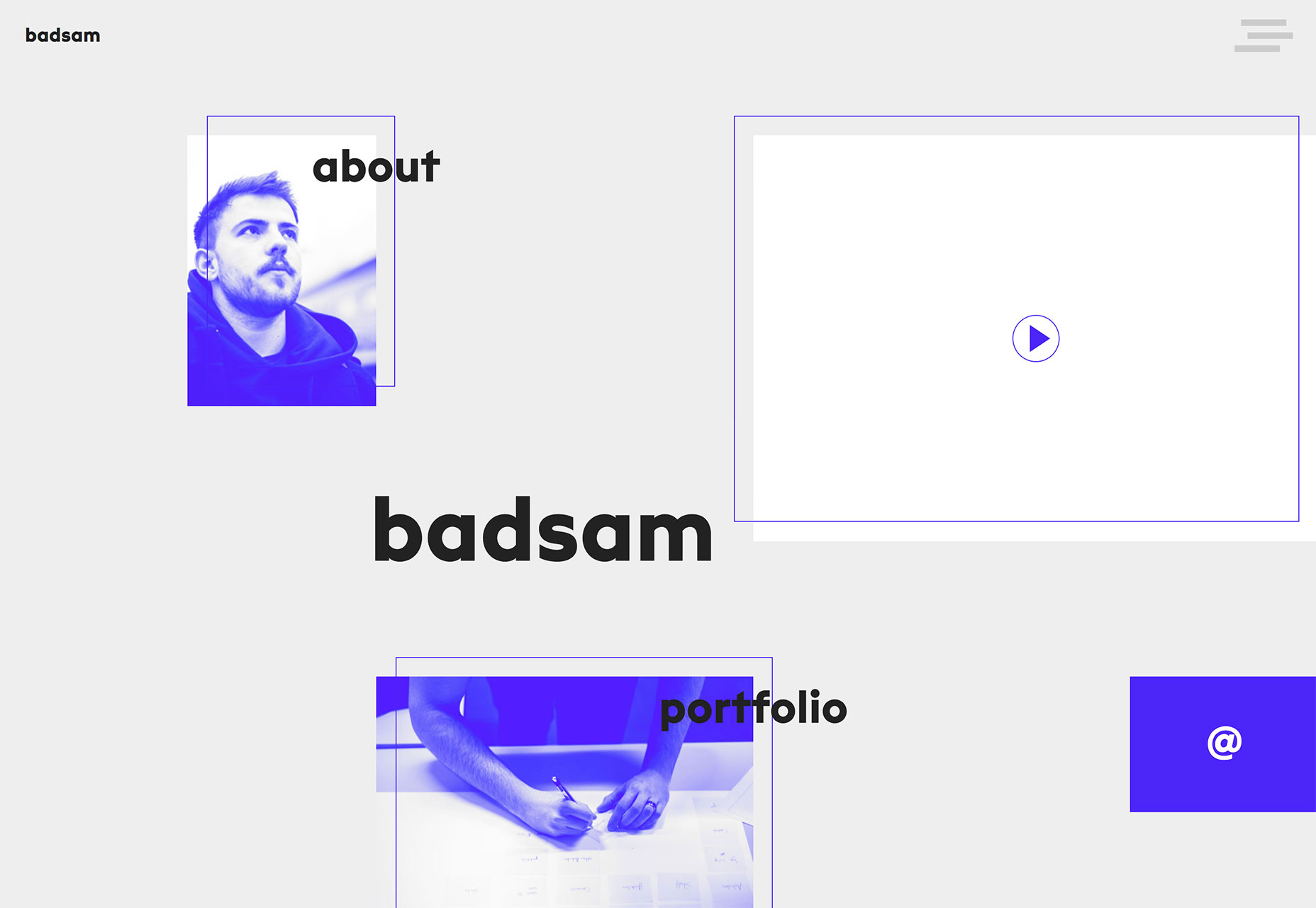
2. “Floating” Rectangles

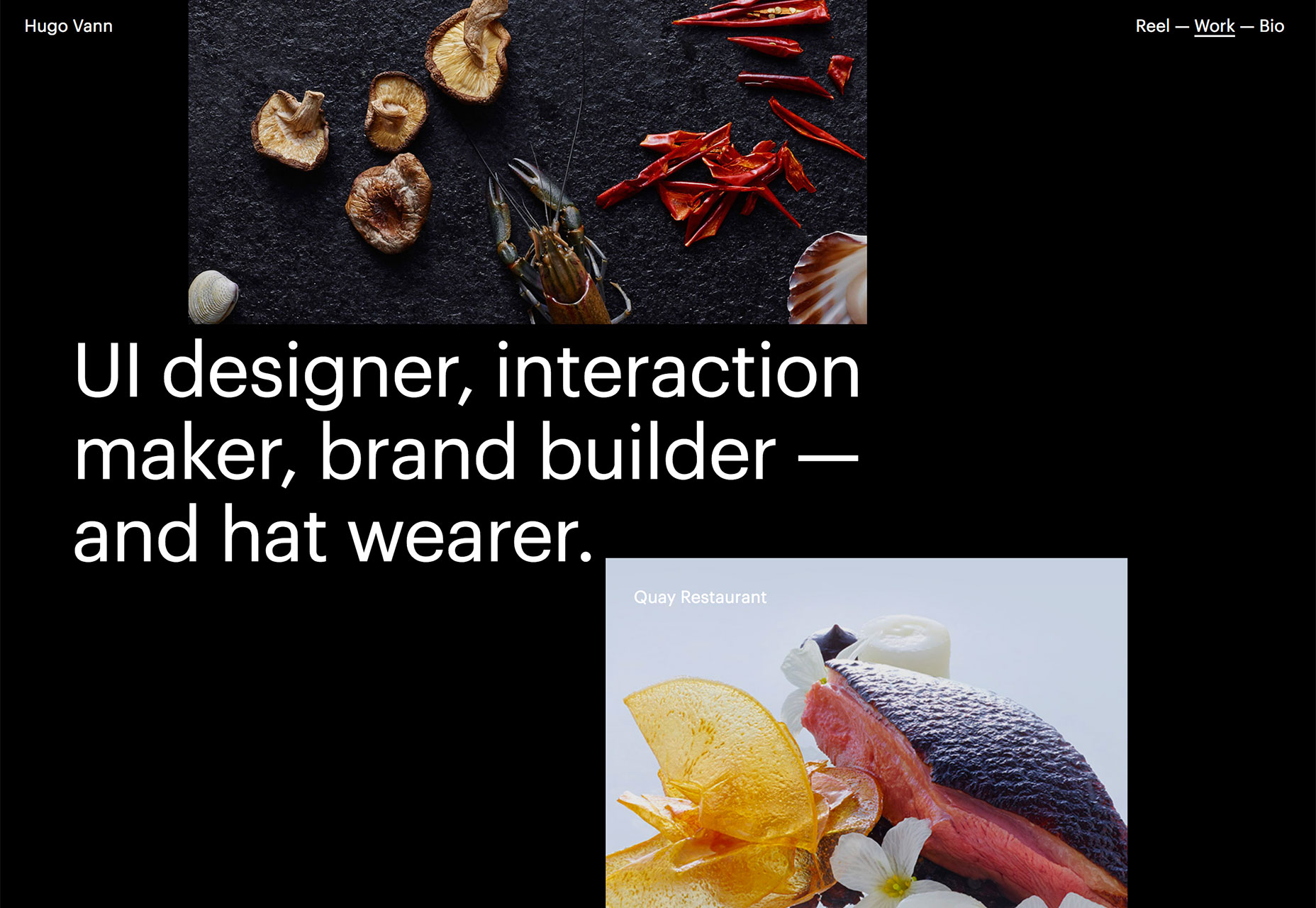
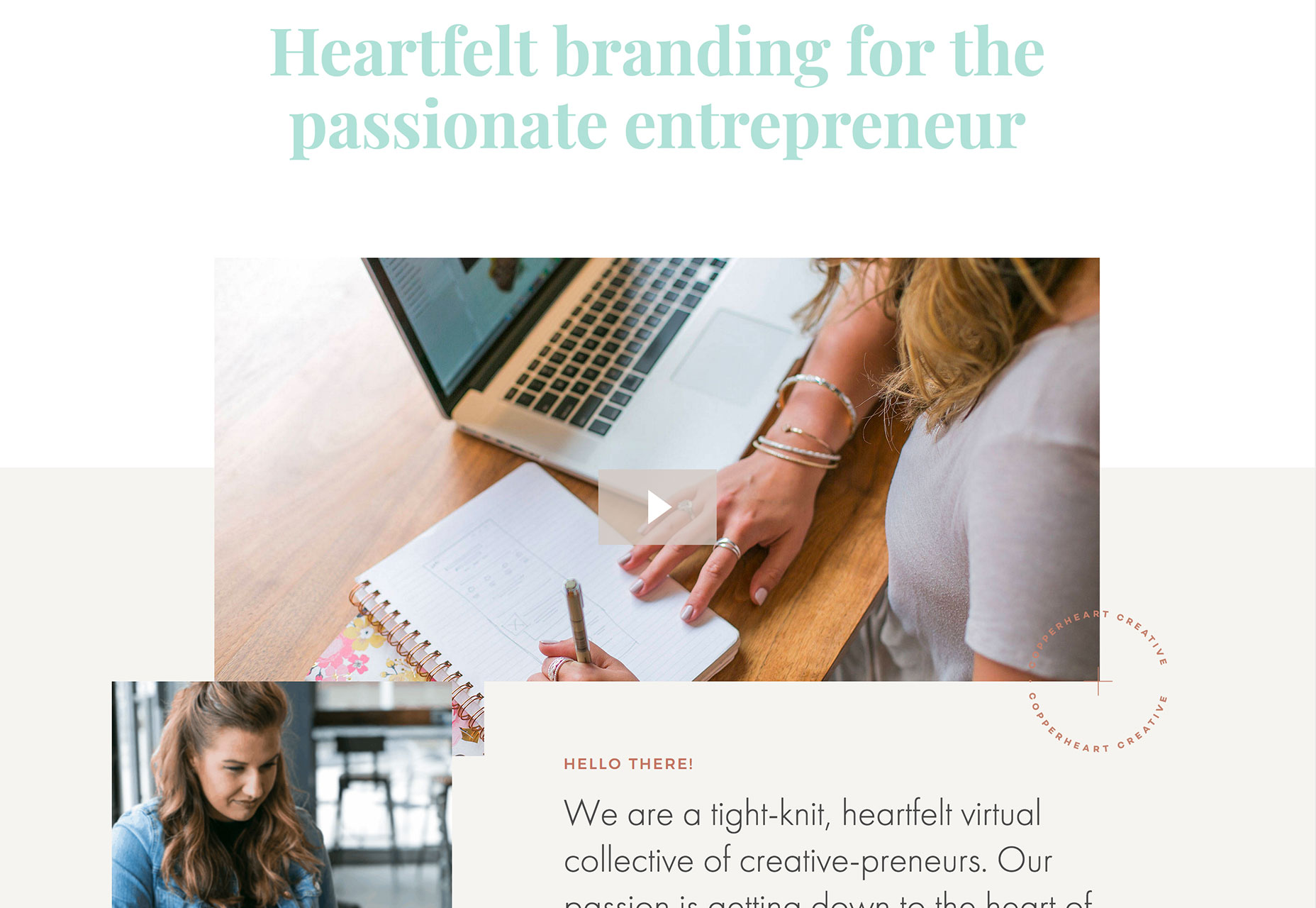
Here’s another website design trend that doesn’t have a real name, but seemingly off-grid floating rectangles are officially a thing. From simple portfolio pages to brand website designs, this technique is everywhere.

Maybe because it creates fun layers that work well with parallax scrolling animation, a trend that’s been going strong for a while now.

What’s really nice about this style is that it allows each image or rectangular frame to have an identity of its own. The concept is similar to the popular card-style that was a major part of Google’s Material Design documentation. The key difference here is that the design feels less structured and a little more organic.

The fluidity of the designs is visually appealing and encourages interaction because users will want to see what comes next or what’s in the rest of the rectangular containers. As you can see from the examples, many of these designs feature floating rectangles that fall into and off of the canvas, this technique creates a bit of mystery and can prompt users to interact.

What might be the best part of this design trend though is that it works with practically any type of content. Floating blocks can be as simple or complex as the content dictates. The concept works with just a handful of blocks or many. It works with oversized blocks to create depth or multiple smaller blocks to draw users into different types of content.

The key is that there’s opportunity to use this trend in many different ways to create a custom design that uses the trend but doesn’t have a cookie-cutter feel to it.

3. Image-Filled Typography

The final trend of the month is a lot of fun for all the amateur typographers out there. Designers are opting to fill type (or create layers that replicate the look of an image fill) with thick block-style letters.

While there’s nothing particularly new about this idea, the interpretation of the concept is. All three of the examples below use some type of text fill with a moving image.

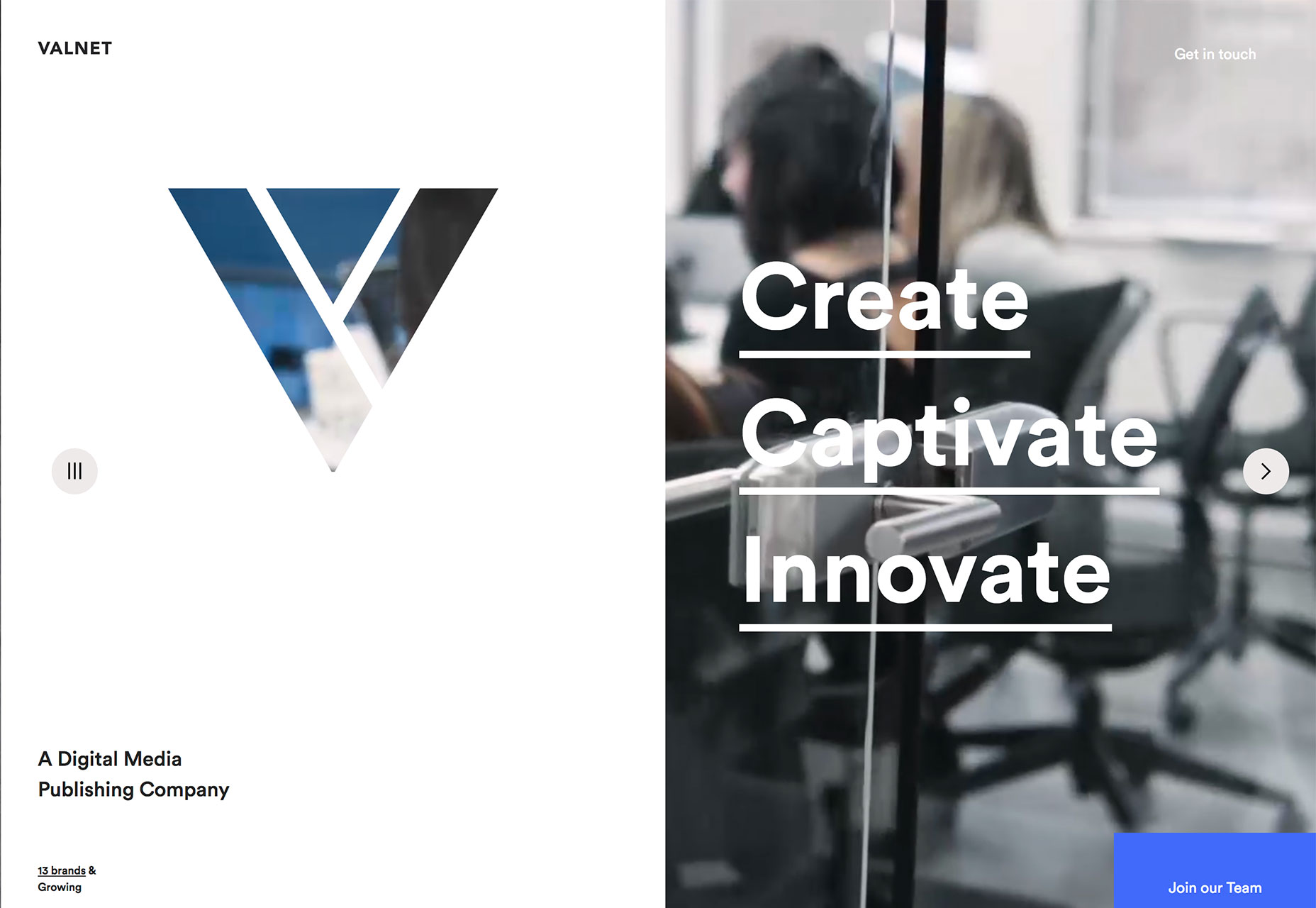
Valnet cuts out its signature “V” in a white frame on the left side of the homepage design. In the background a video loop plays. The image in the letter is part of the video in the background. It’s a nifty effect that gives the designer a way to use a more vertical framework without an odd-shaped video frame.

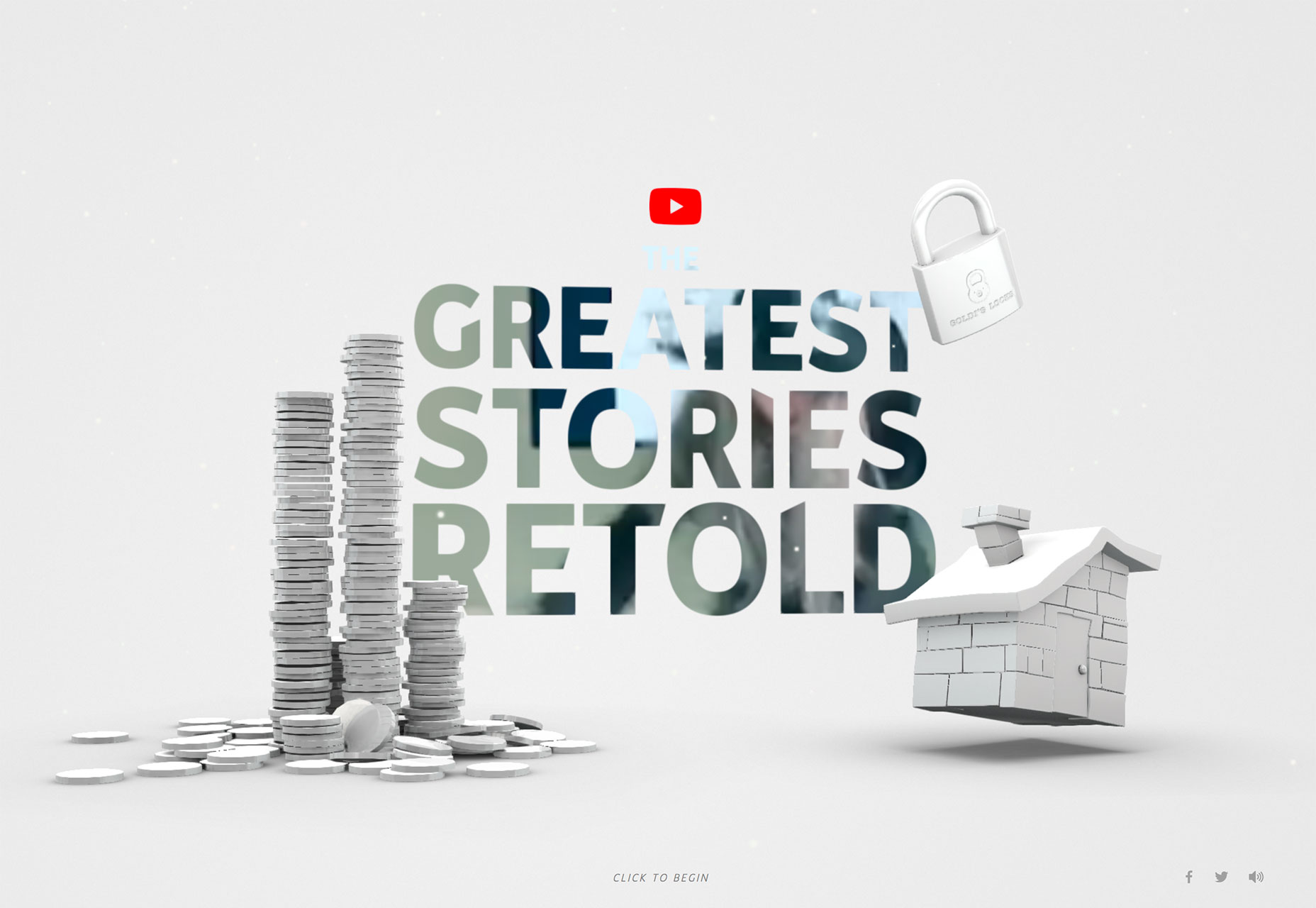
The Greatest Stories Retold uses that same concept but leave a lot more to the user imagination. There’s video b-roll running in the background, but it really only creates a sense of motion and color in the star design. What it does do is entice users enough to click and really get into the website design and content.

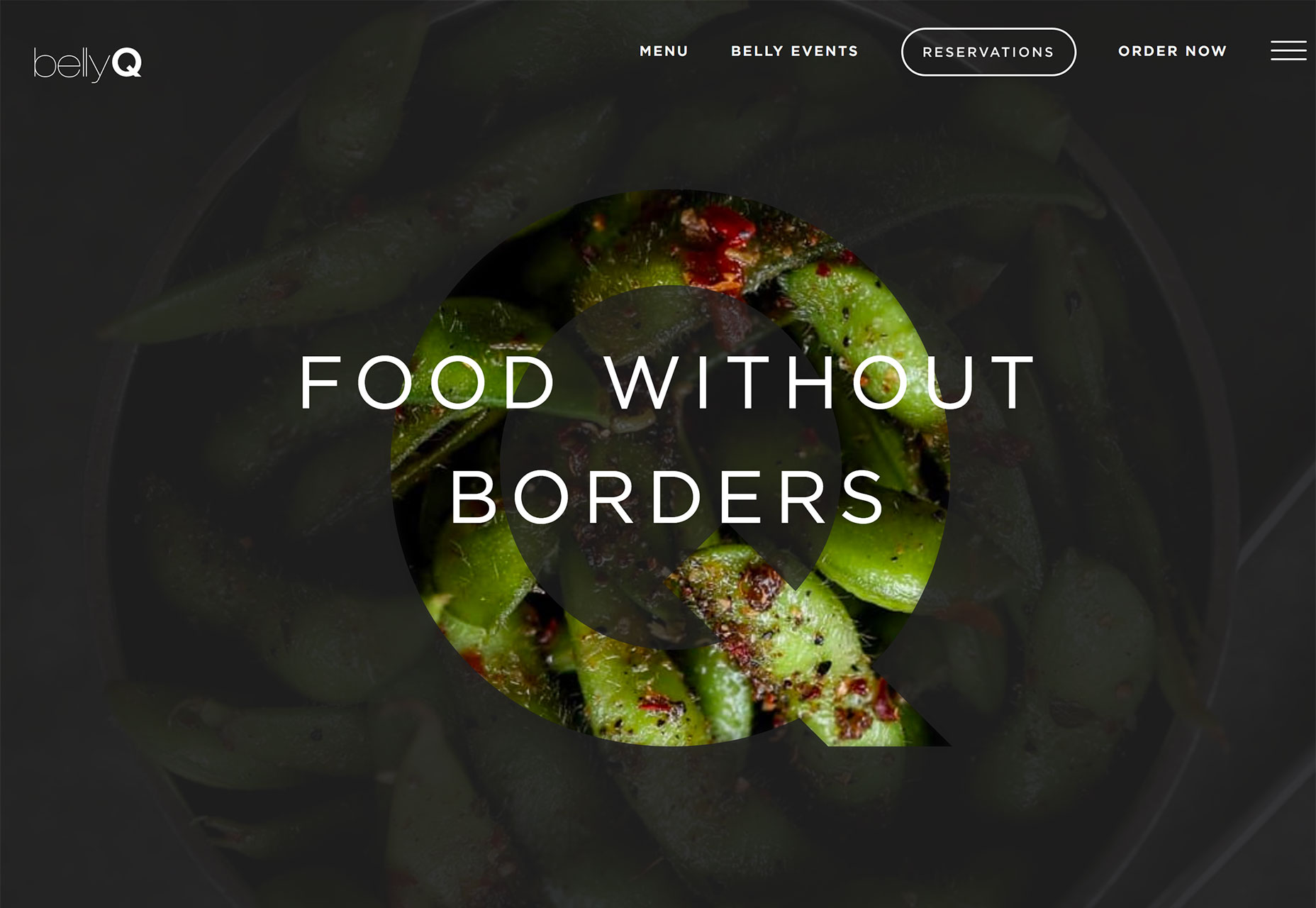
Belly Q uses still photos that zoom in and out to create subtle movement. The foreground has a dark overlay and the only full, bright color part of the design is inside the letter “Q.” The layering effect is simple and creates a great point of emphasis. Even with still images, the simple movement helps draw the eye and create a focal point for users to understand the name and brand of the site they are viewing, and encourage them to learn more.

A technique such as using animated fill in lettering has an innate sense of mystery. These designs almost beg users to click around the site to get a better idea for what’s in the image. Most users are highly visual and this small question mark in the design can actually encourage interaction. Just make sure to make the interaction easy to understand and complete so that you don’t leave users feeling frustrated or lost.

Conclusion

Which of these trends can you see yourself using in upcoming projects? Each of these design solutions can work for small uses, such as a homepage or landing page design, or extend to a full-scale project visual plan. An while each of these techniques is trendy, they aren’t so tied to a single element or idea that they’ll look dated immediately.

What trends are you loving (or hating) right now? I’d love to see some of the websites that you are fascinated with.

Add Realistic Chalk and Sketch Lettering Effects with Sketch’it – only $5!

Source

from Webdesigner Depot https://www.webdesignerdepot.com/2018/04/3-essential-design-trends-april-2018/

Sunday, 1 April 2018

Popular Design News of the Week: March 26, 2018 – April 1, 2018

Every week users submit a lot of interesting stuff on our sister site Webdesigner News, highlighting great content from around the web that can be of interest to web designers. 
The best way to keep track of all the great stories and news being posted is simply to check out the Webdesigner News site, however, in case you missed some here’s a quick and useful compilation of the most popular designer news that we curated from the past week.

Note that this is only a very small selection of the links that were posted, so don’t miss out and subscribe to our newsletter and follow the site daily for all the news.

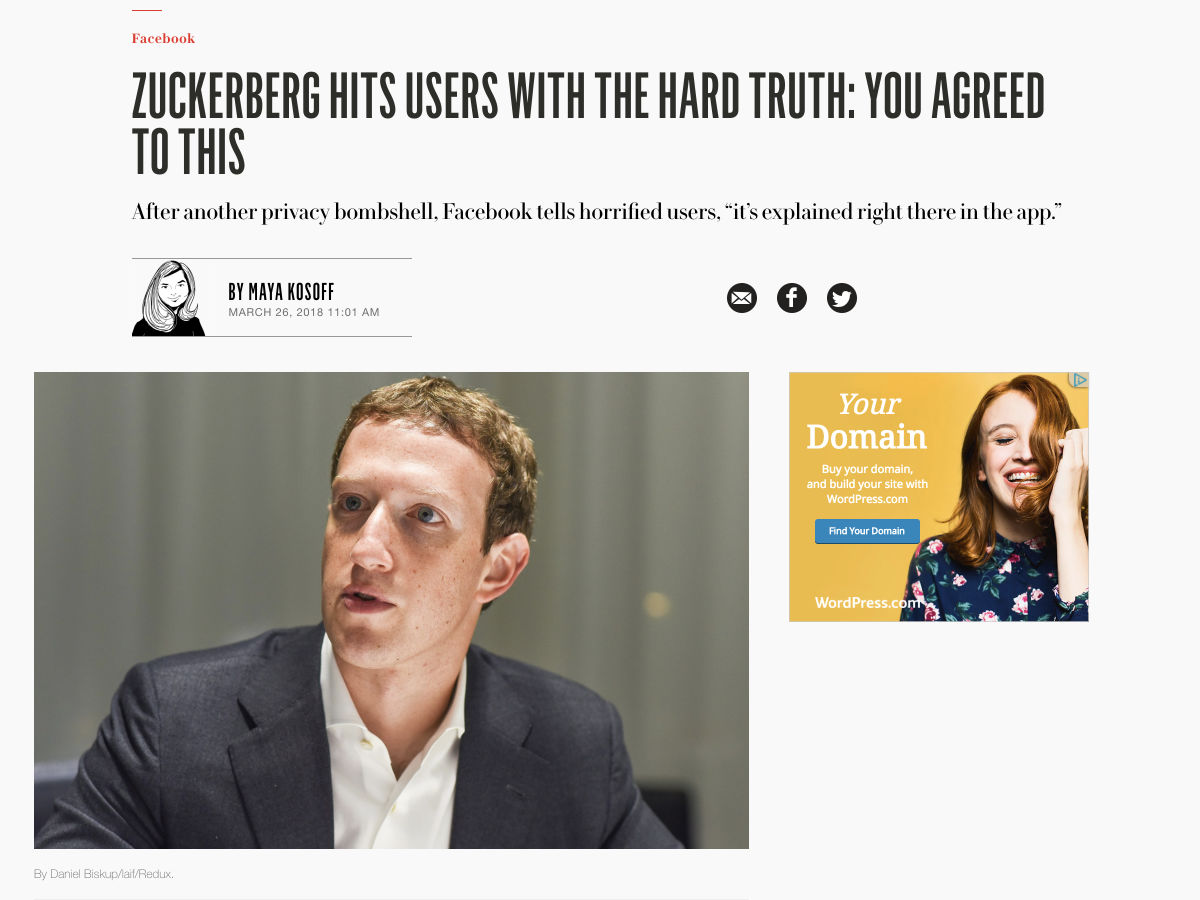
Zuckerberg Hits Users with the Hard Truth: You Agreed to this


Why Tabs VS Spaces Debate is Pointless


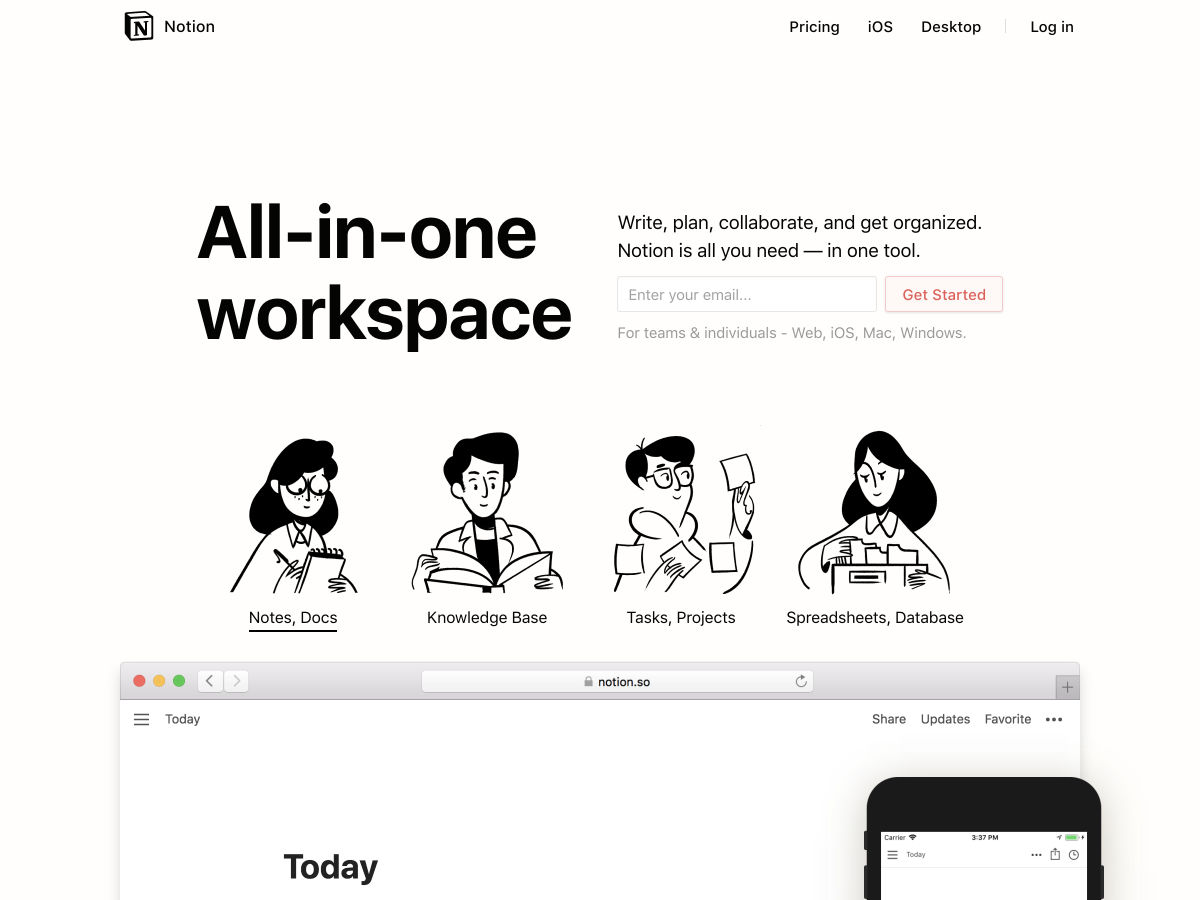
Notion 2.0


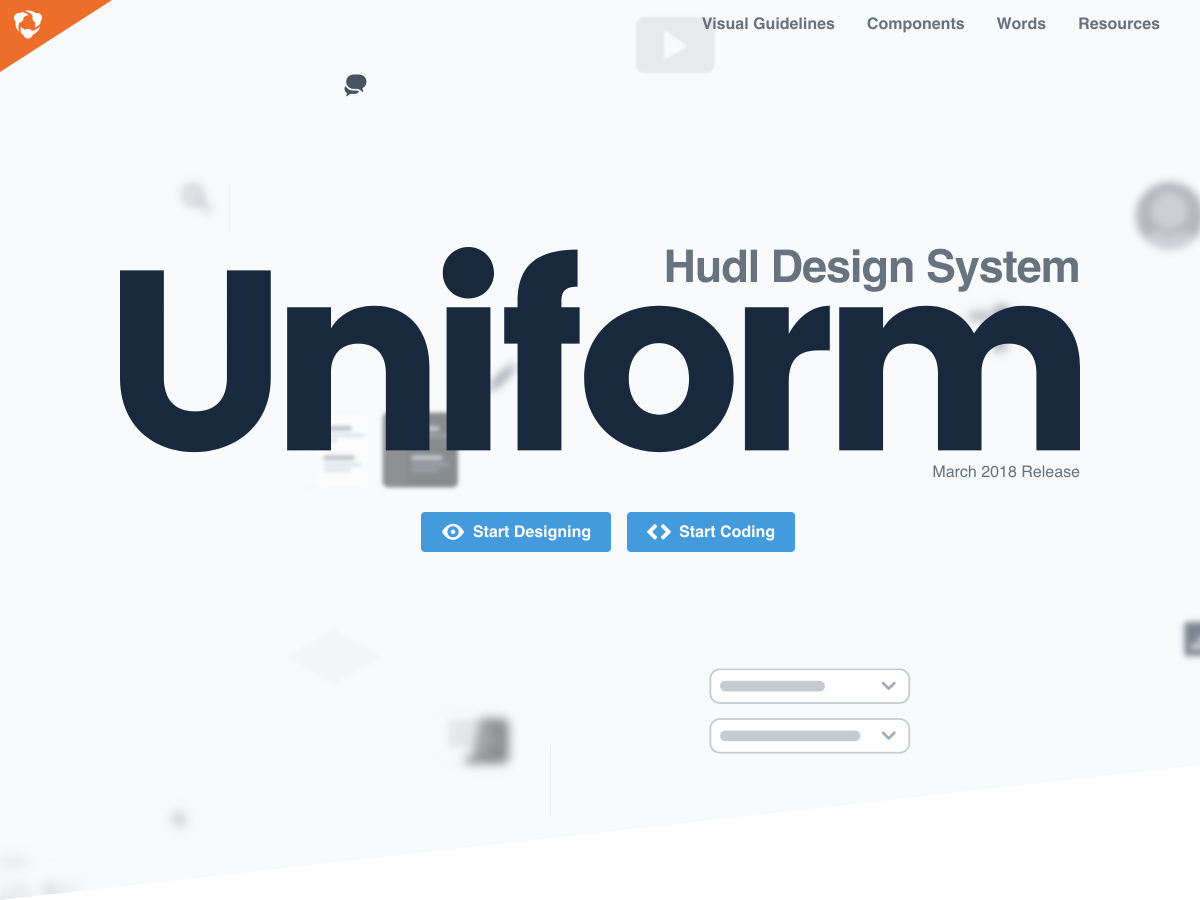
Design System: Uniform


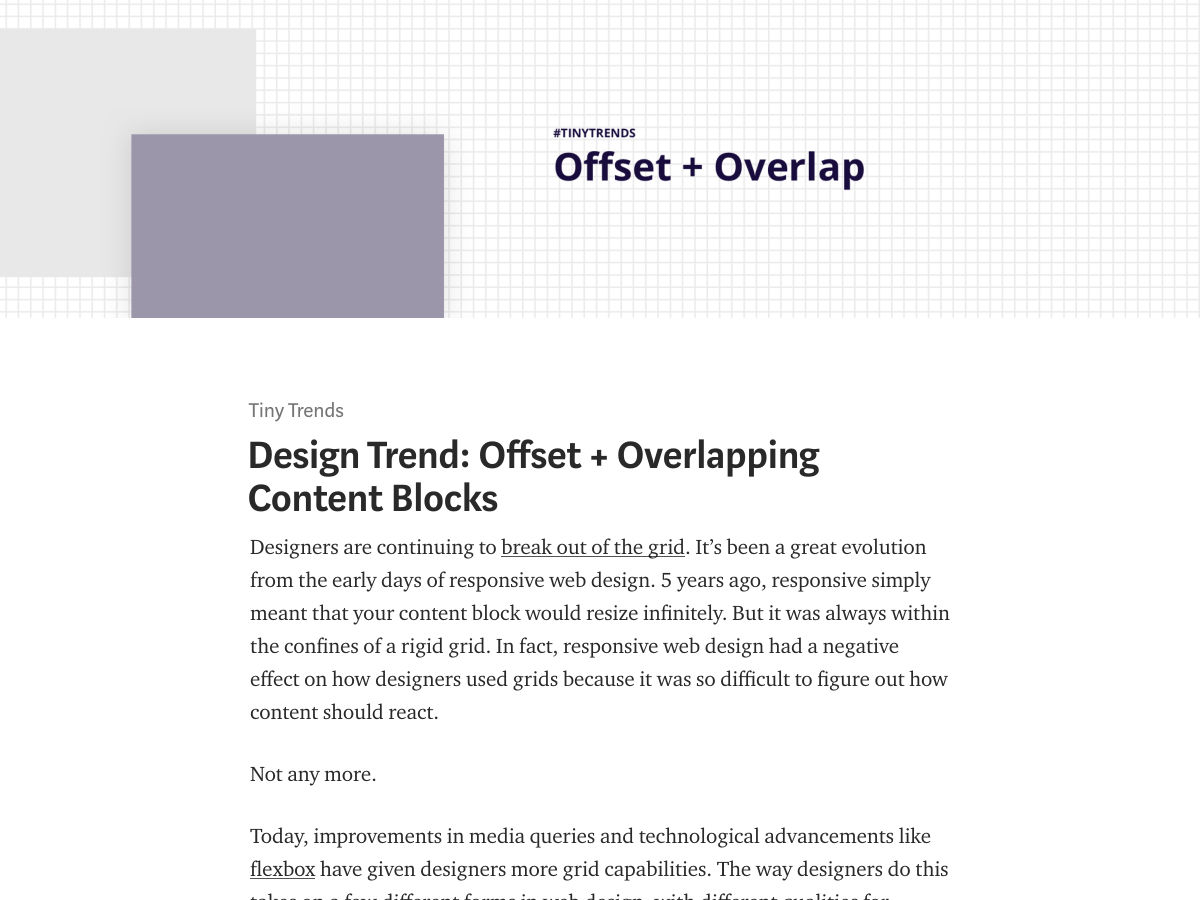
Design Trend: Offset + Overlapping Content Blocks


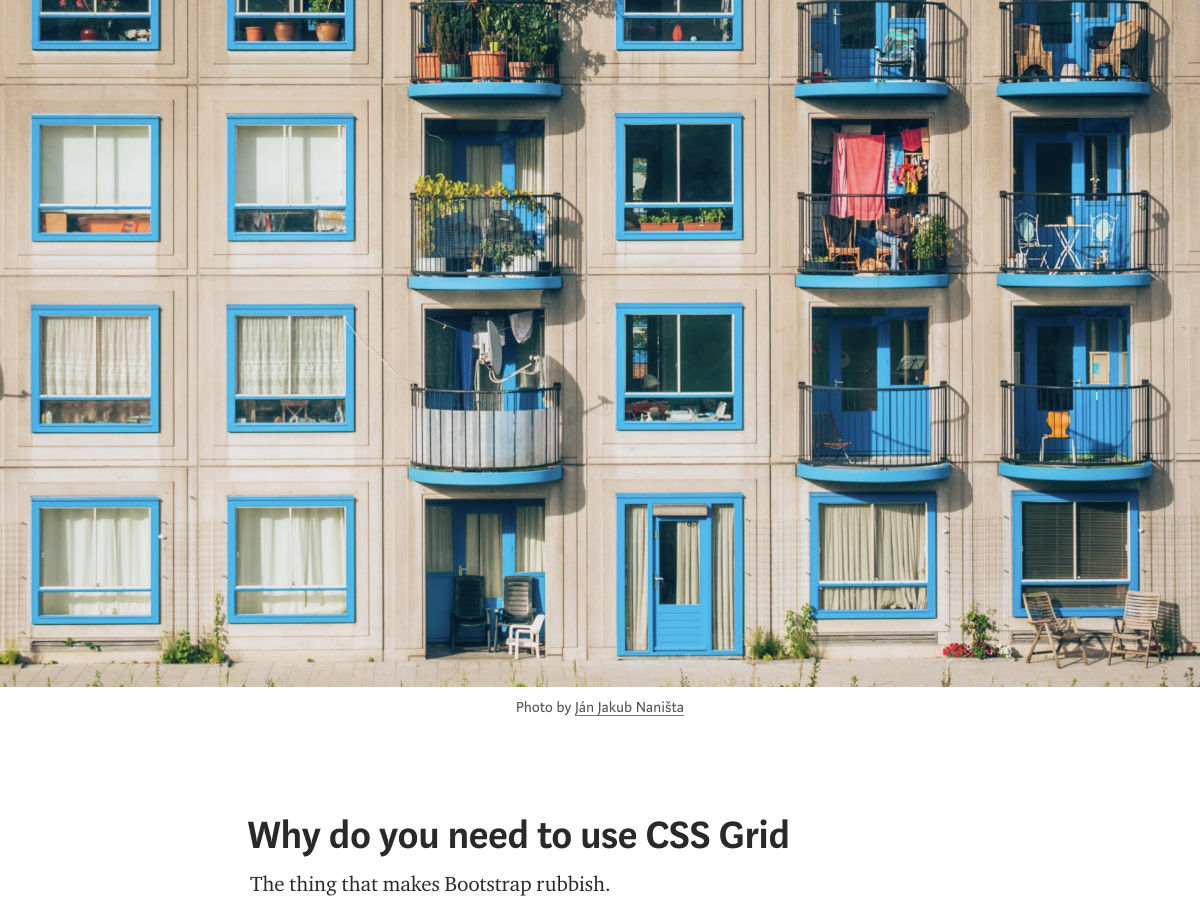
Why do You Need to Use CSS Grid


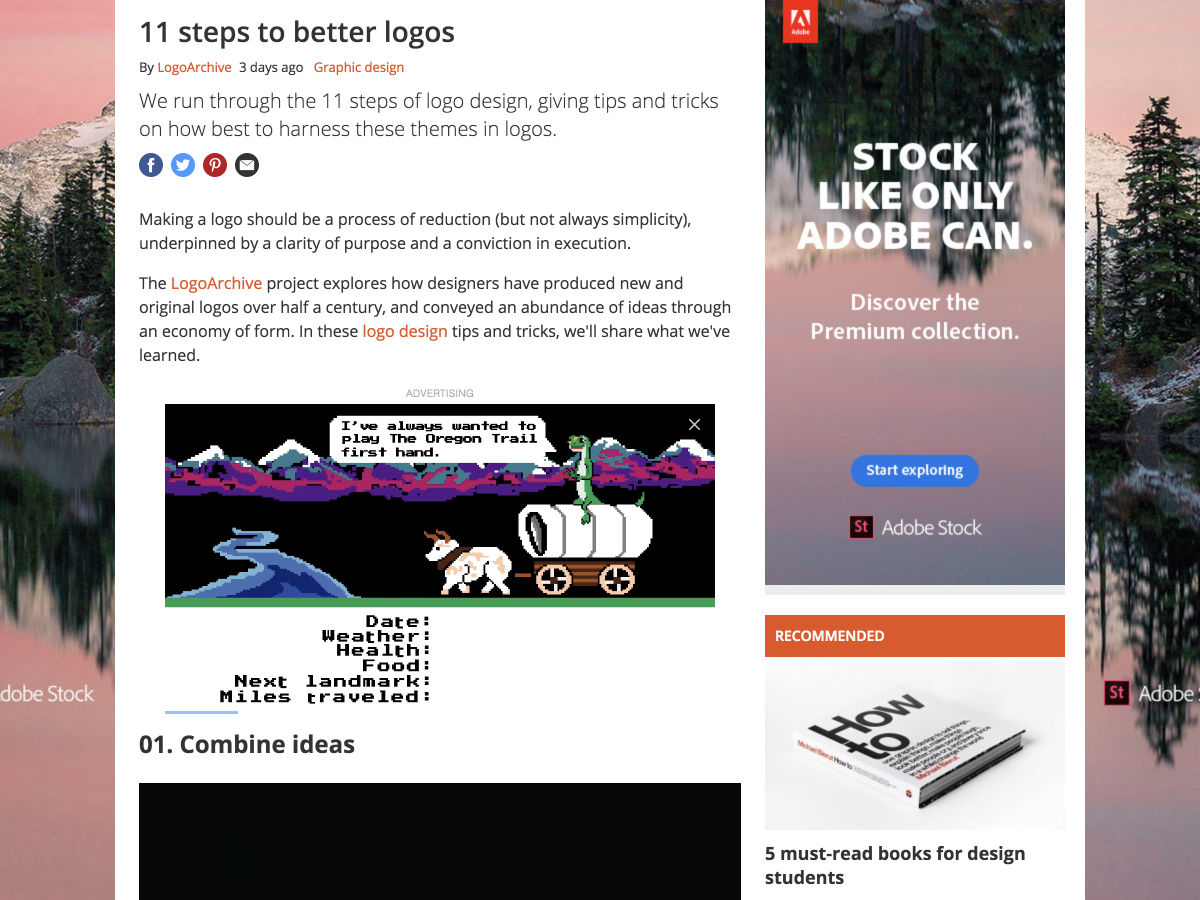
11 Steps to Better Logos


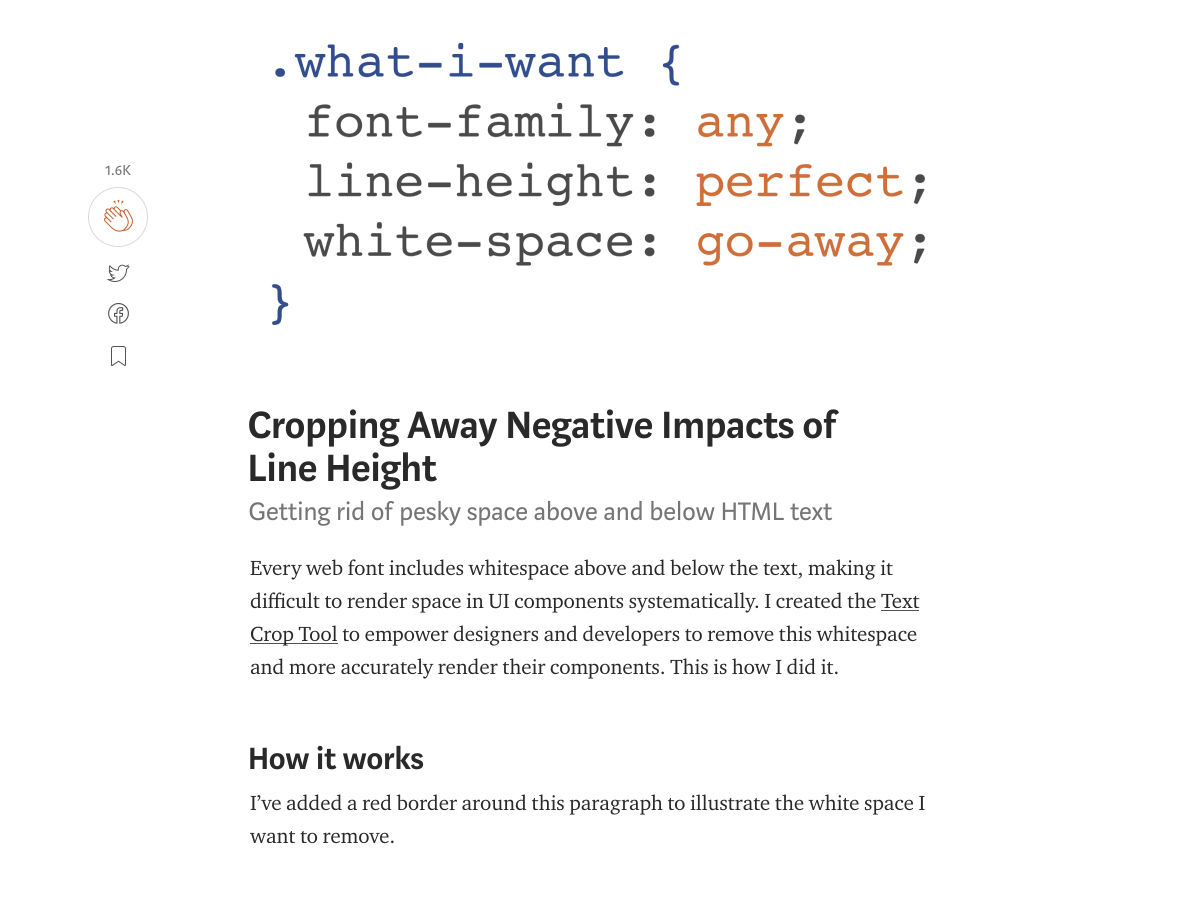
Cropping Away Negative Impacts of Line Height


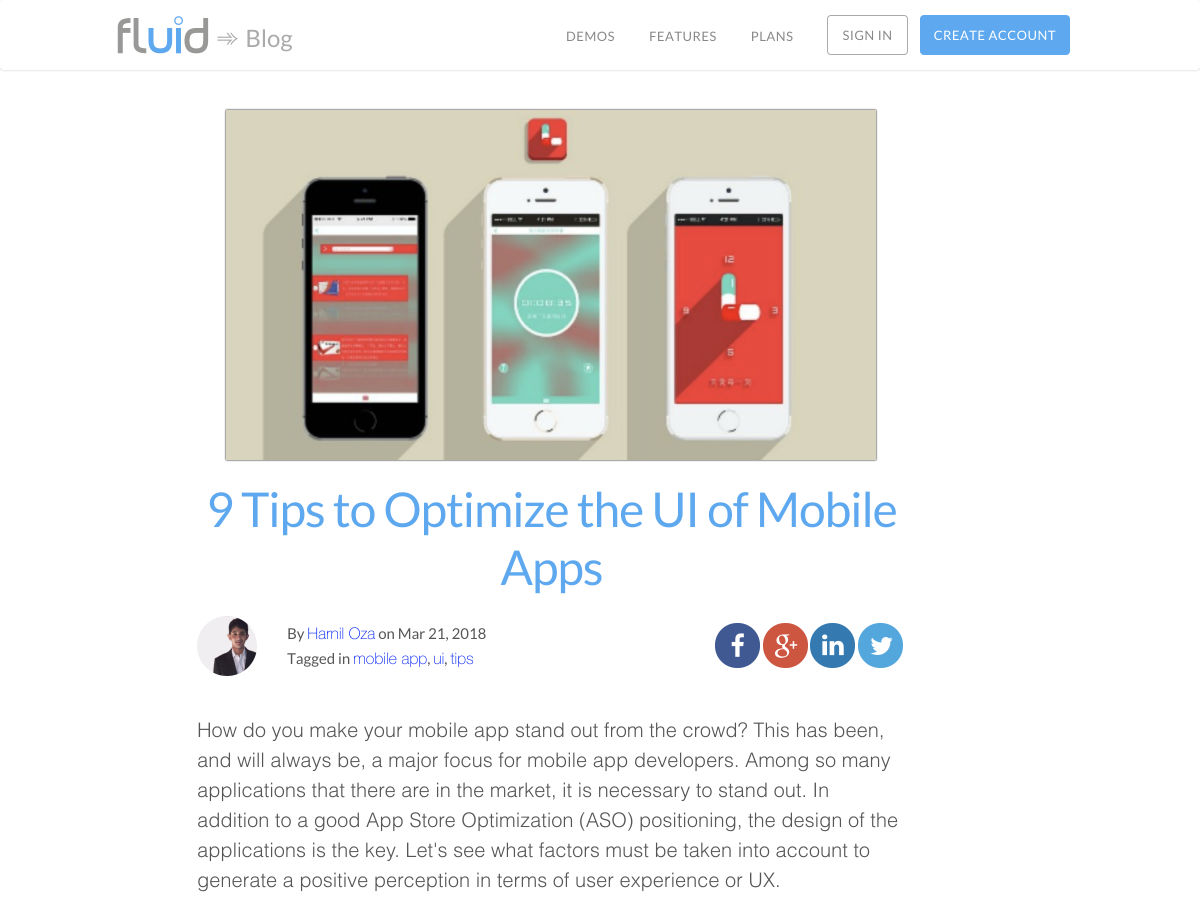
9 Tips to Optimize the UI of Mobile Apps


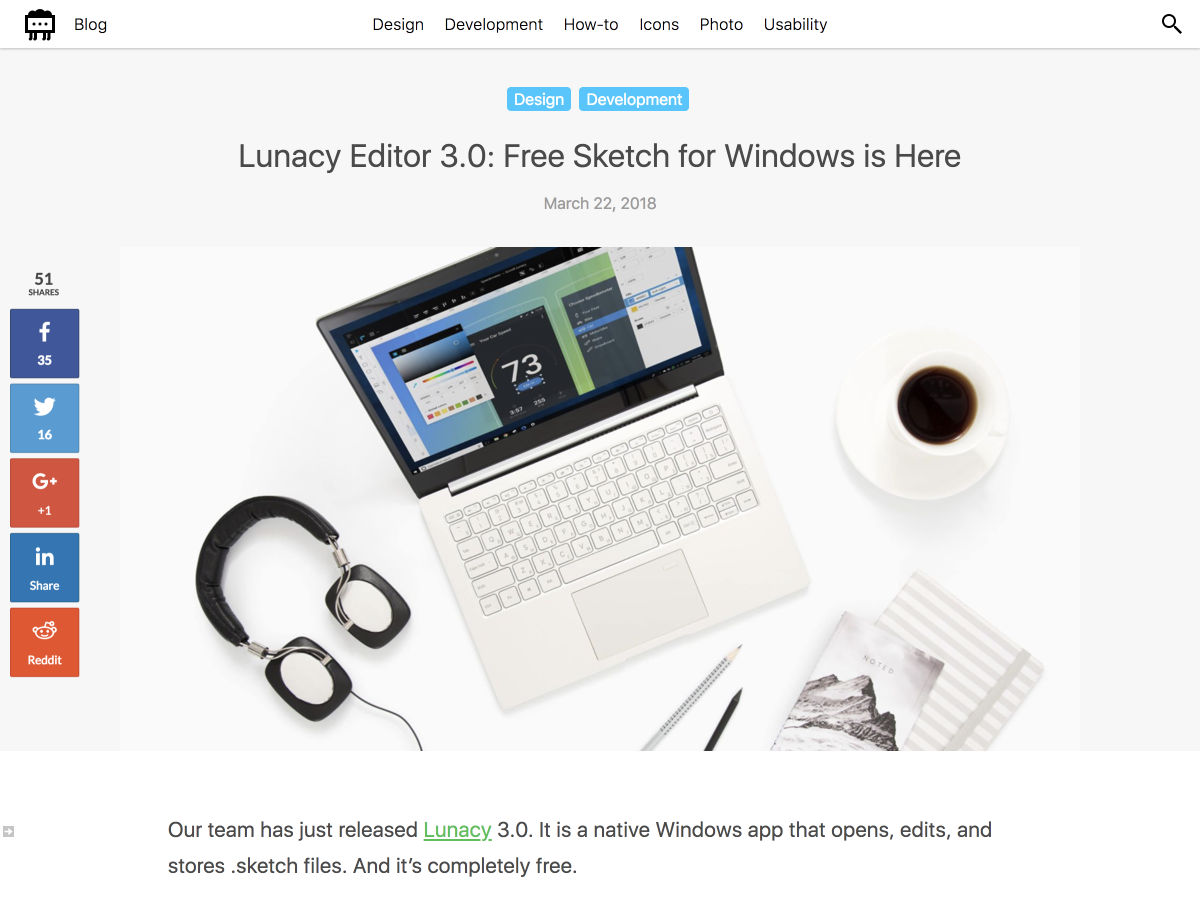
Lunacy Editor 3.0: Free Sketch for Windows is Here


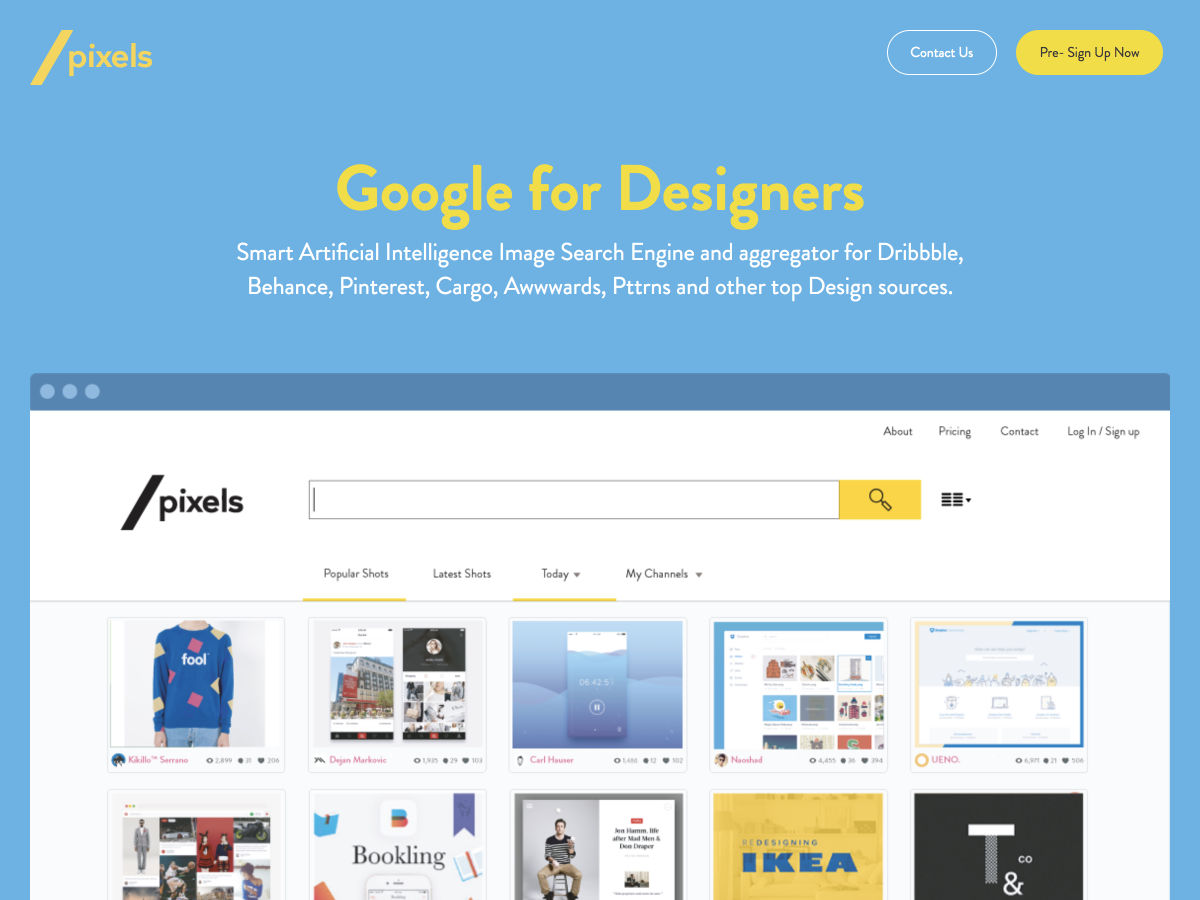
SlashPixels: A Google for Designers


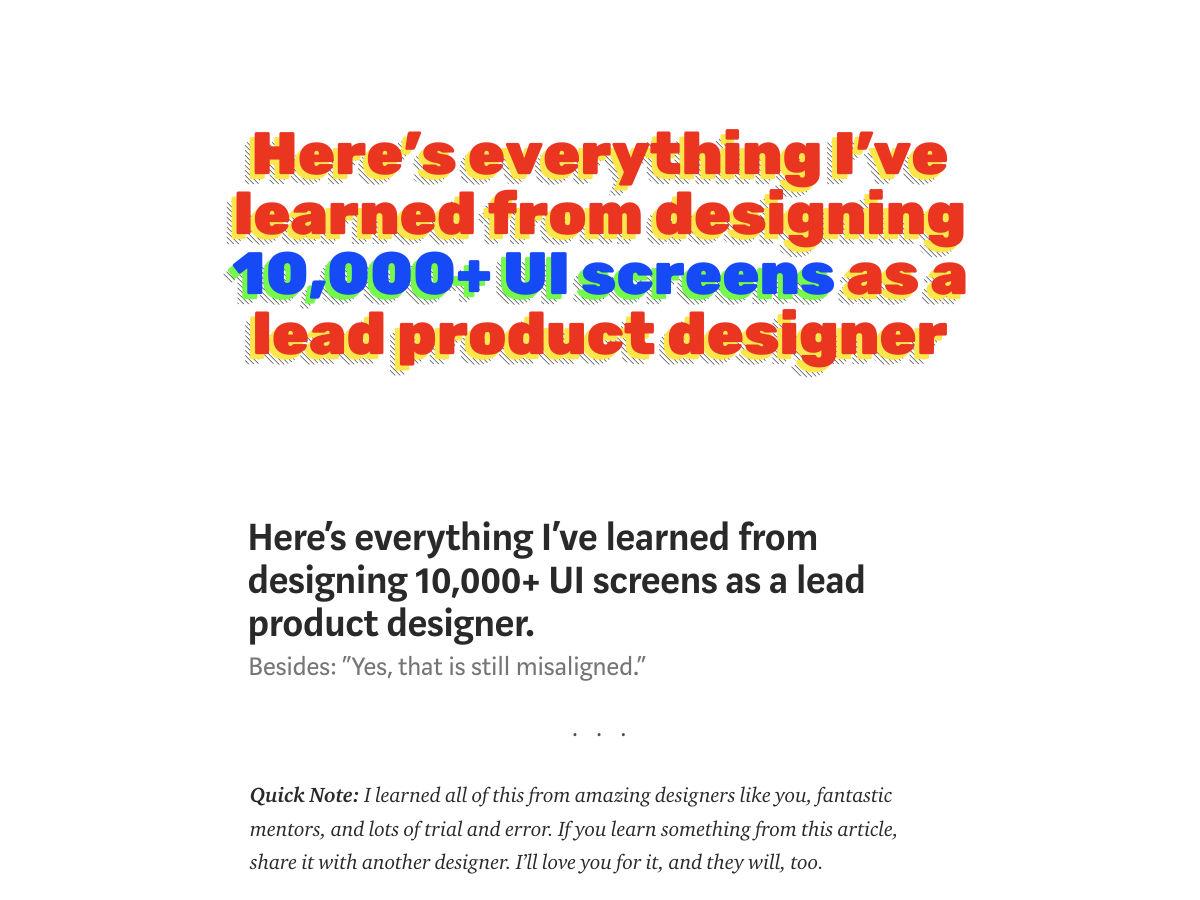
Here’s What I’ve Learned from Designing 10,000+ UI Screens as a Lead Product Designer.


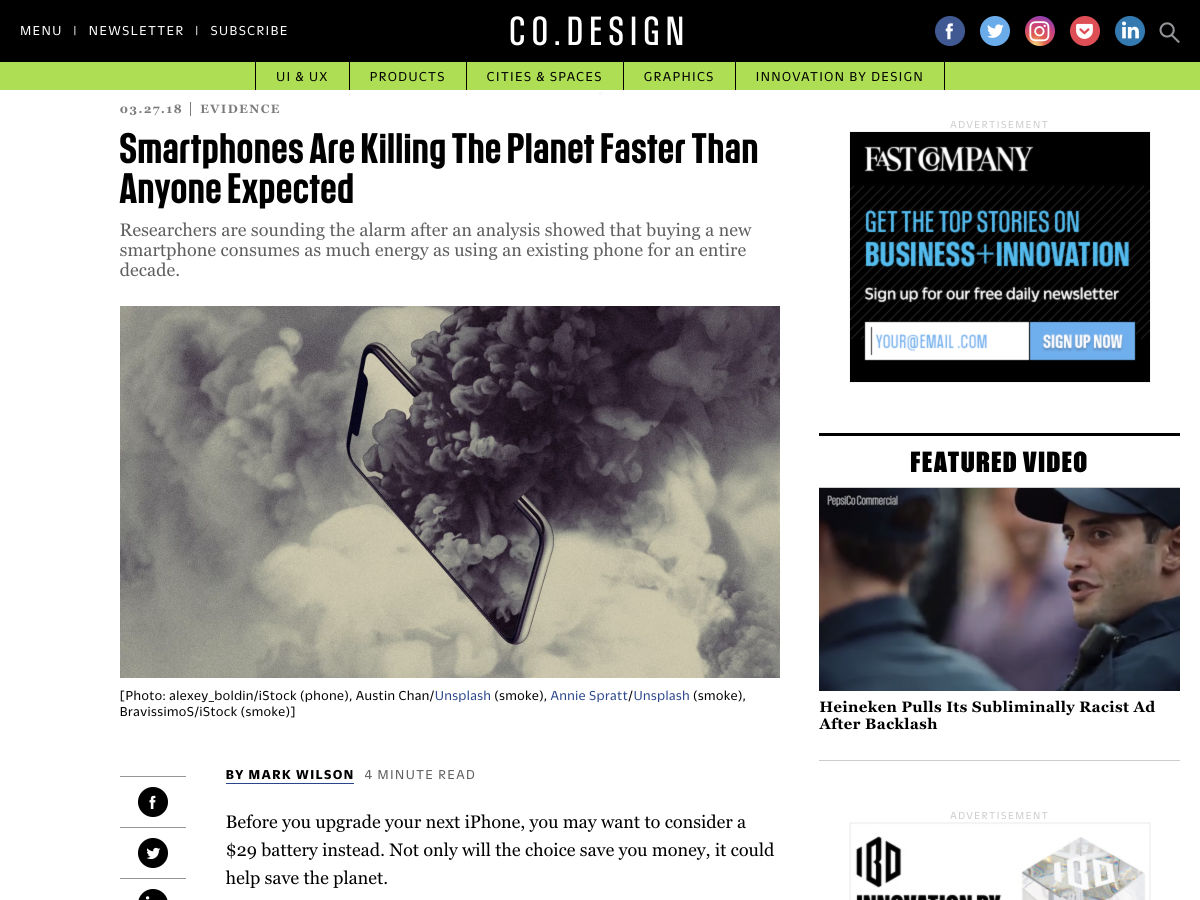
Smartphones are Killing the Planet Faster than Anyone Expected


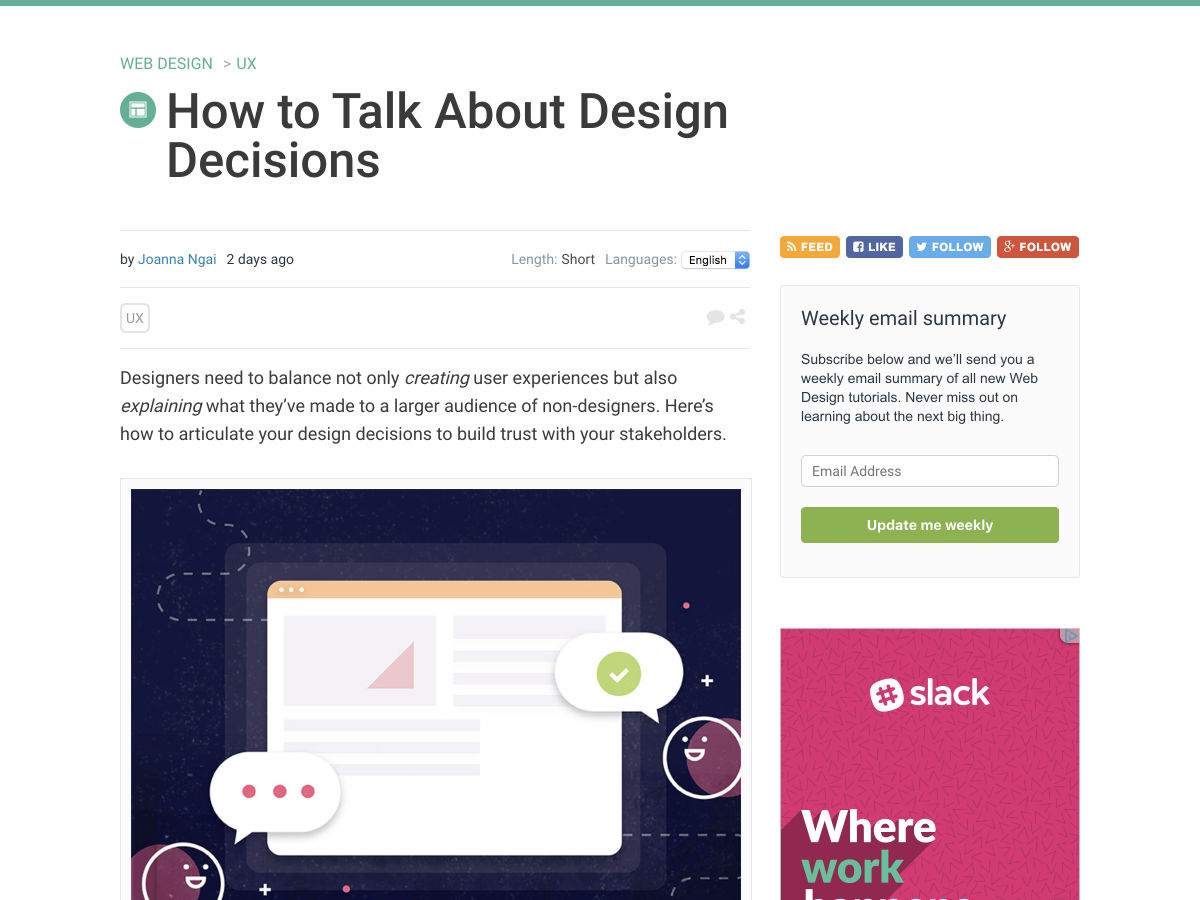
How to Talk About Design Decisions


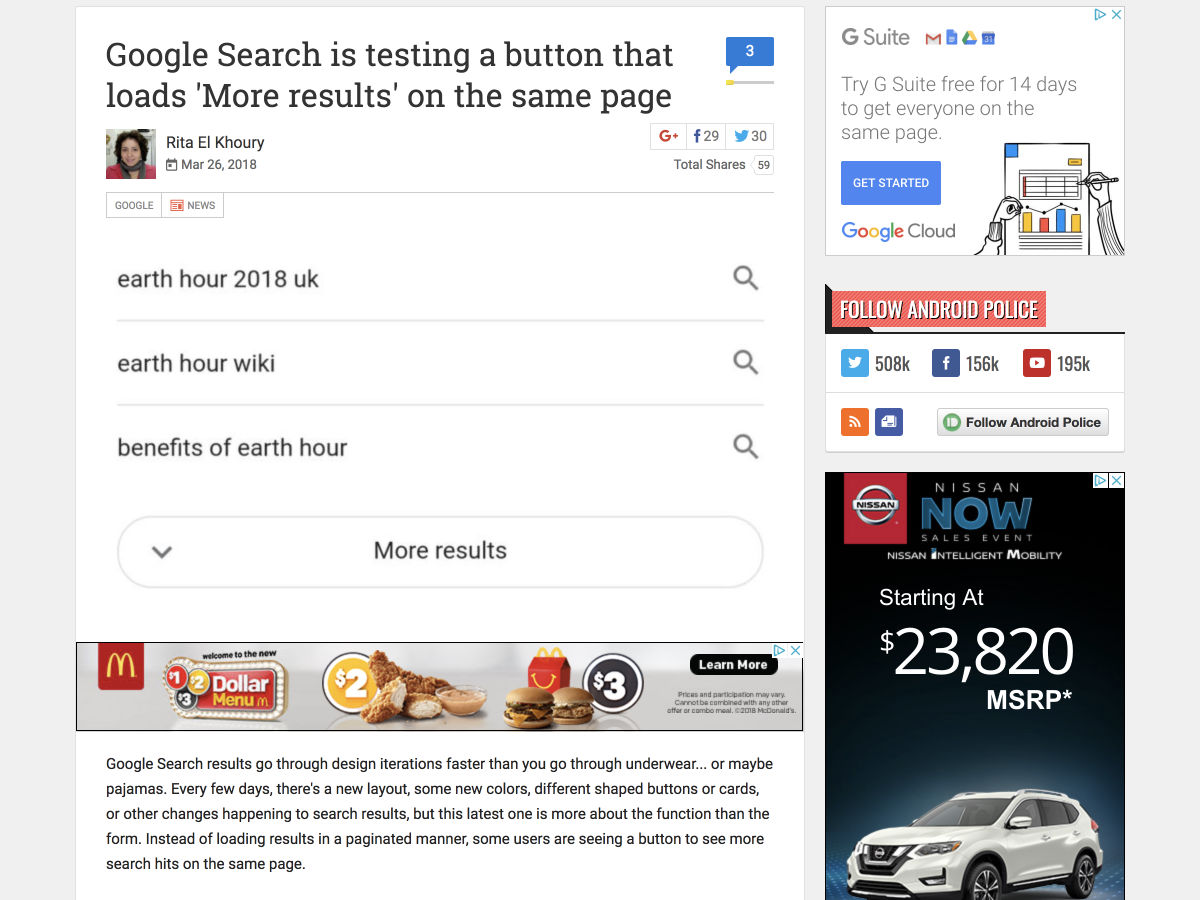
Google Search is Testing a Button that Loads ‘More Results’ on the Same Page


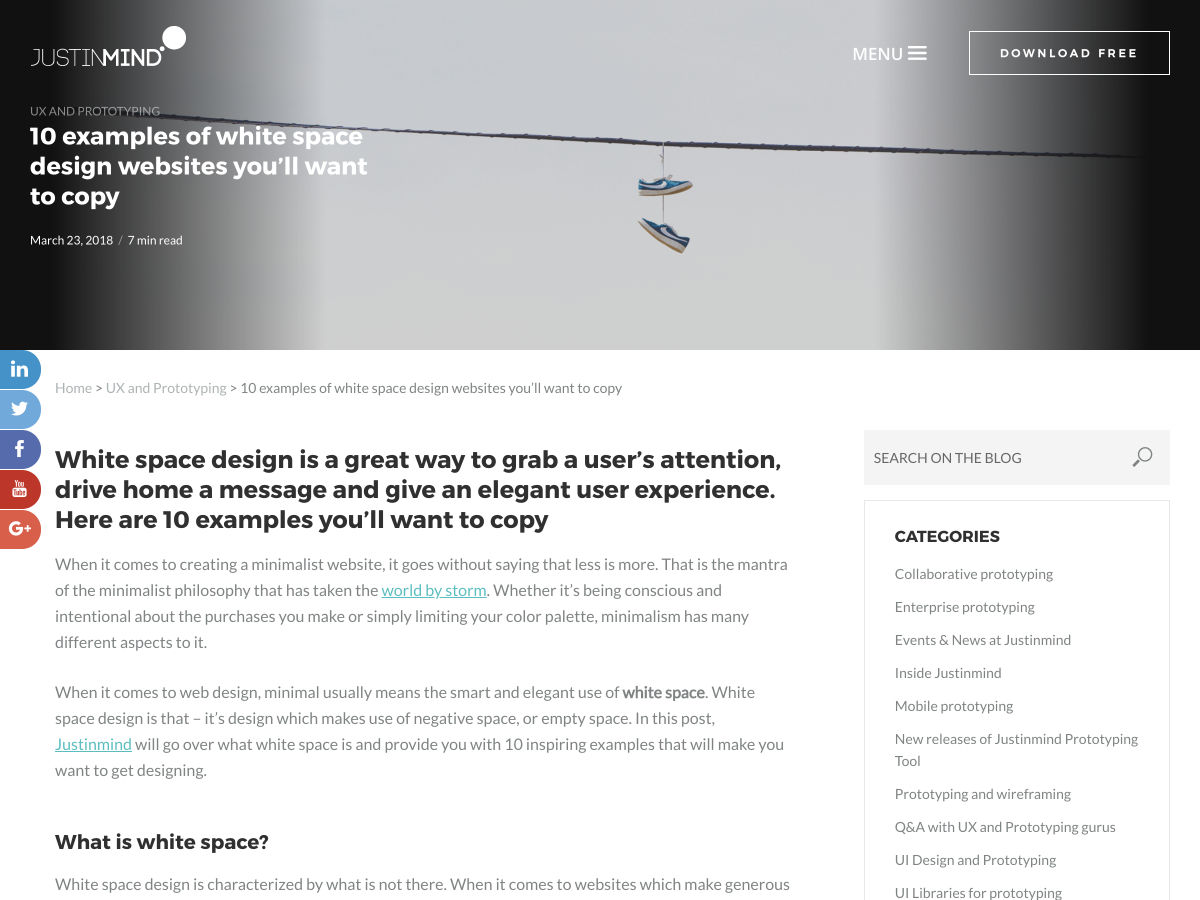
10 Awesome White Space Designs to Inspire You


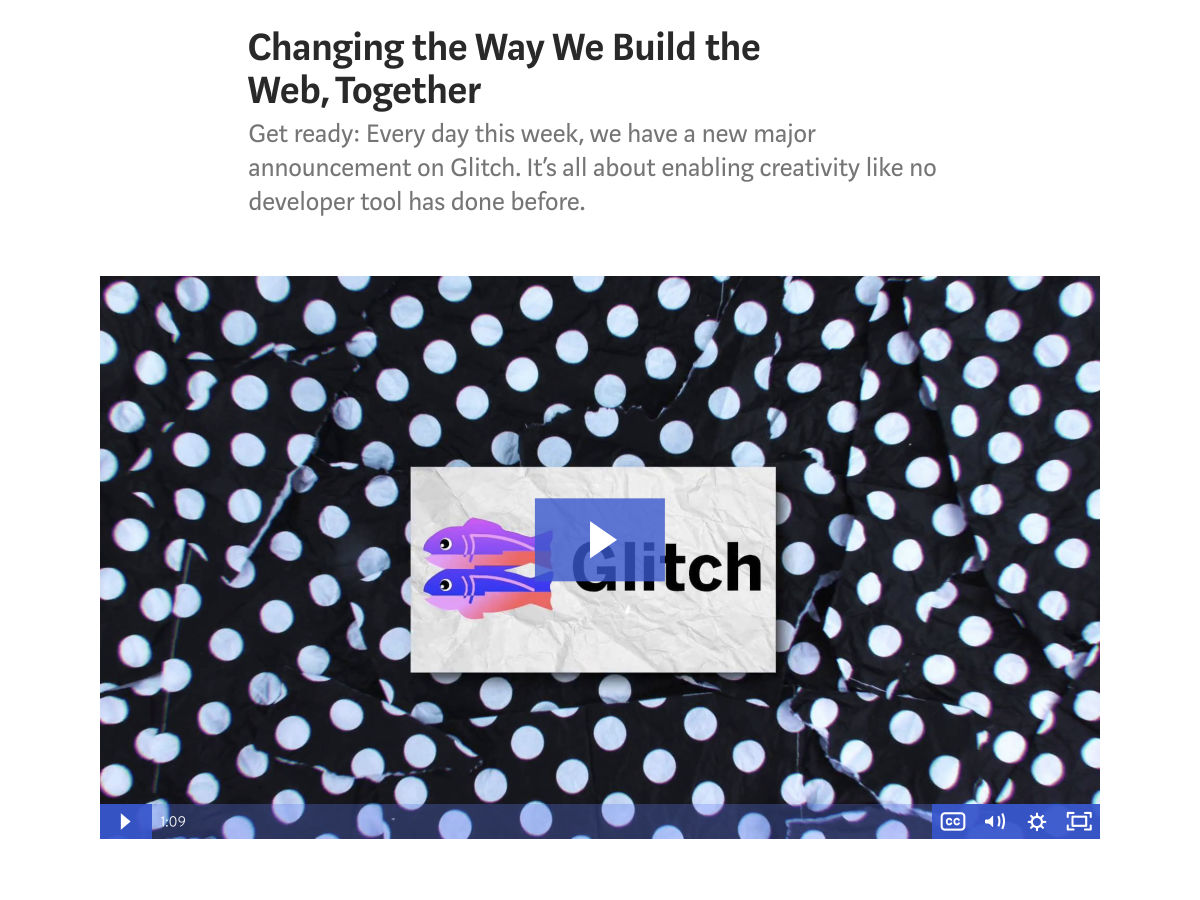
Changing the Way We Build the Web, Together


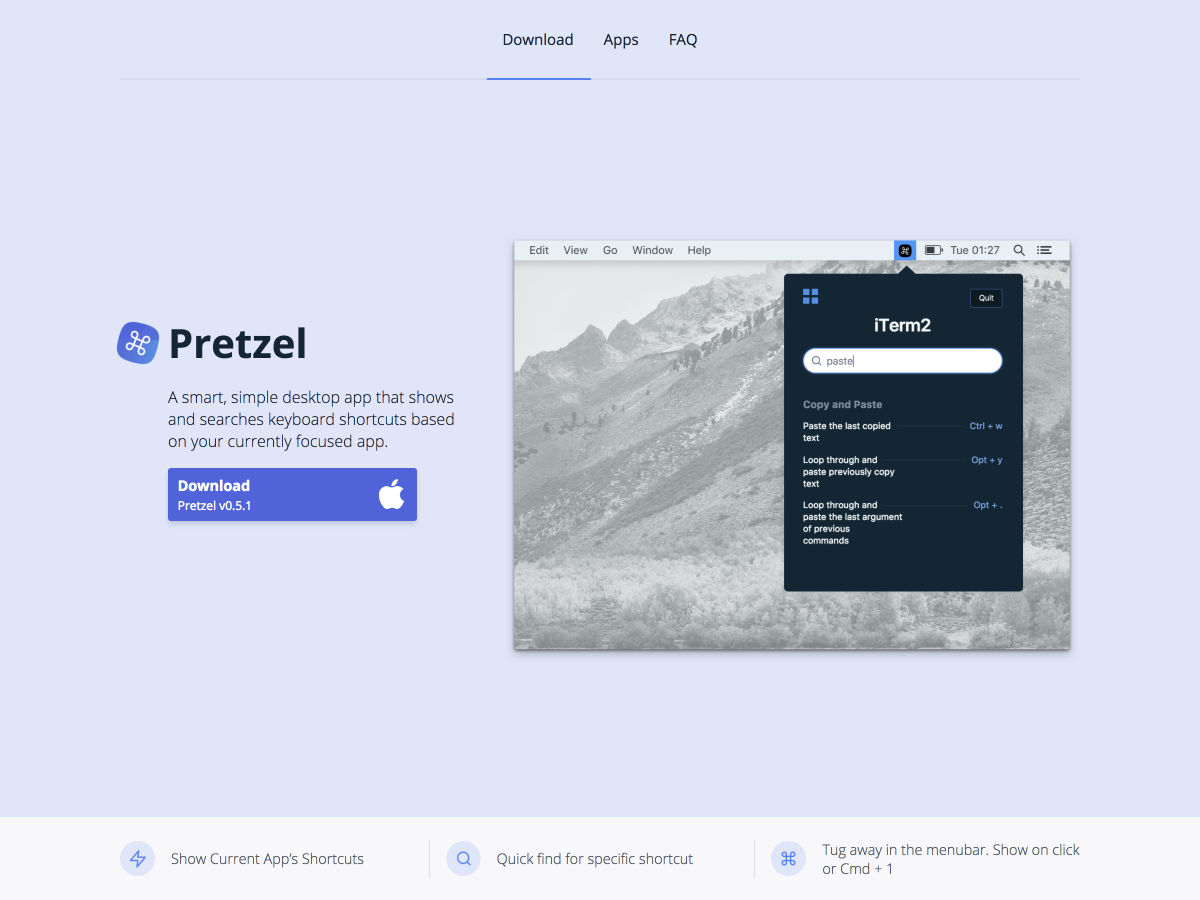
Pretzel – Keyboard Shortcuts for the App You’re Currently Using


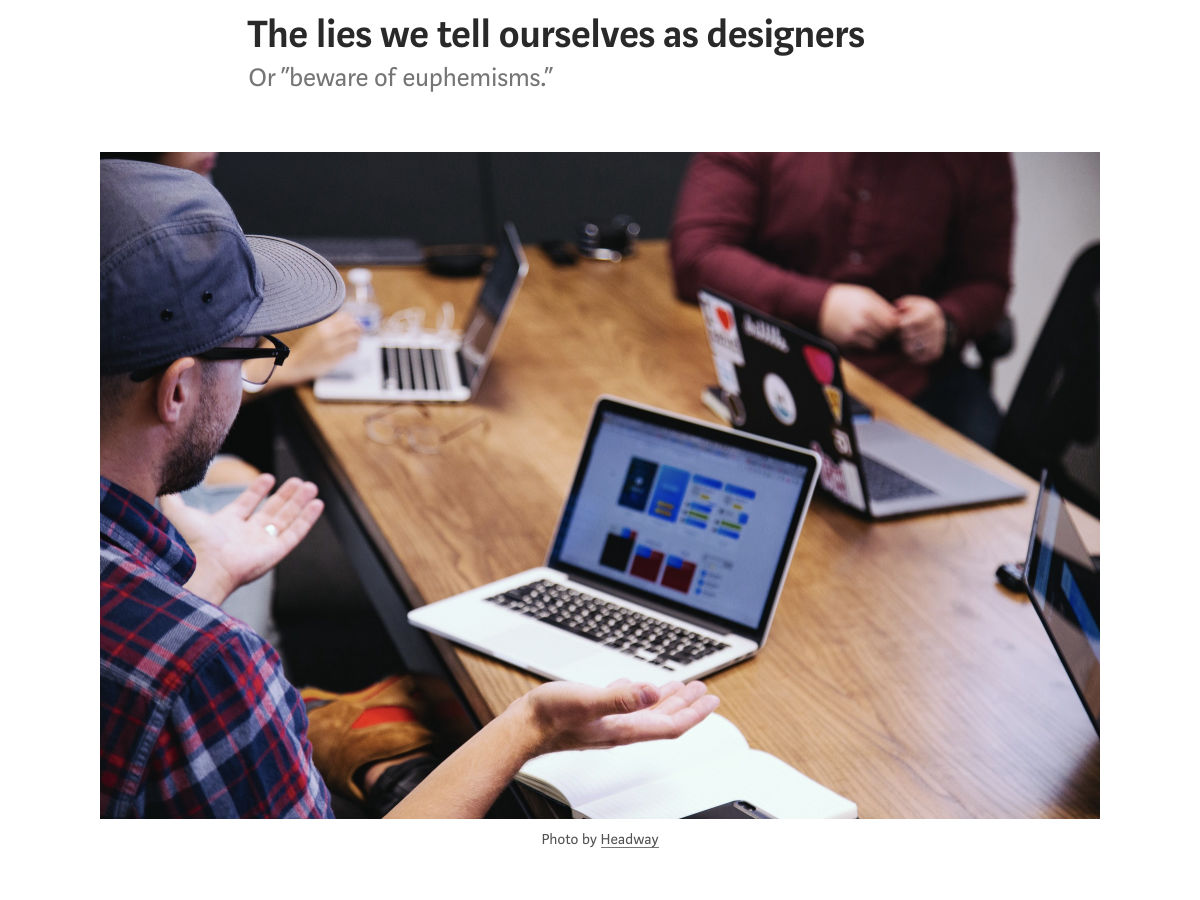
The Lies We Tell Ourselves as Designers


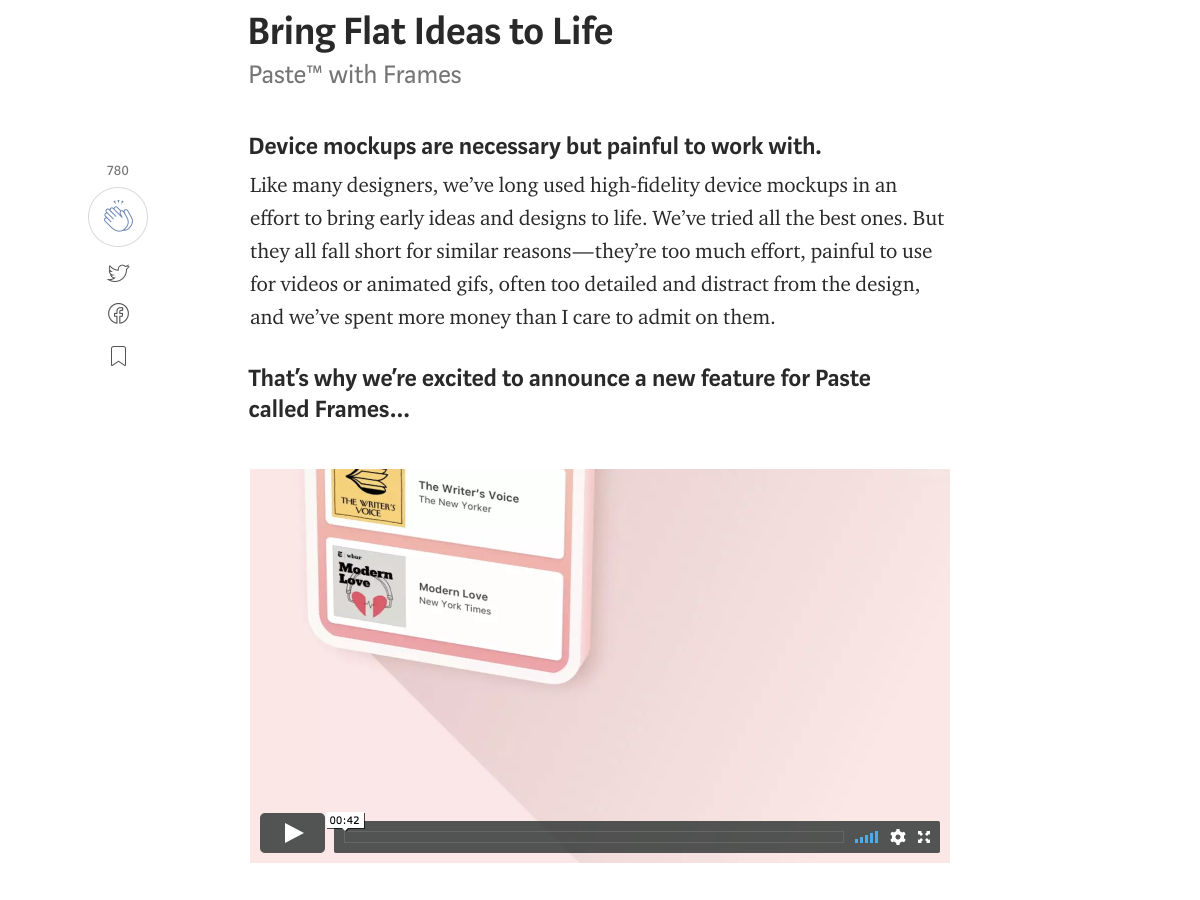
Paste with Frames: Bring Flat Ideas to Life


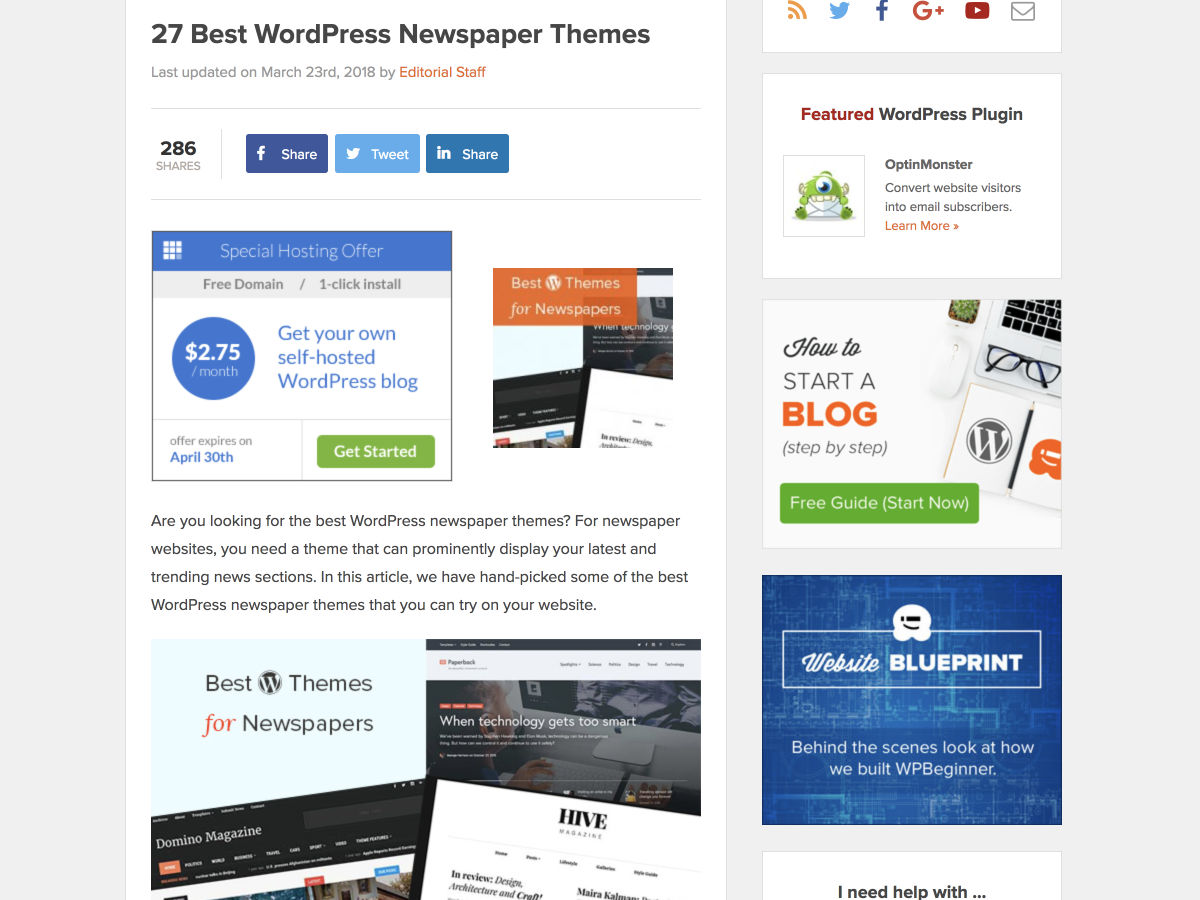
27 Best WordPress Newspaper Themes


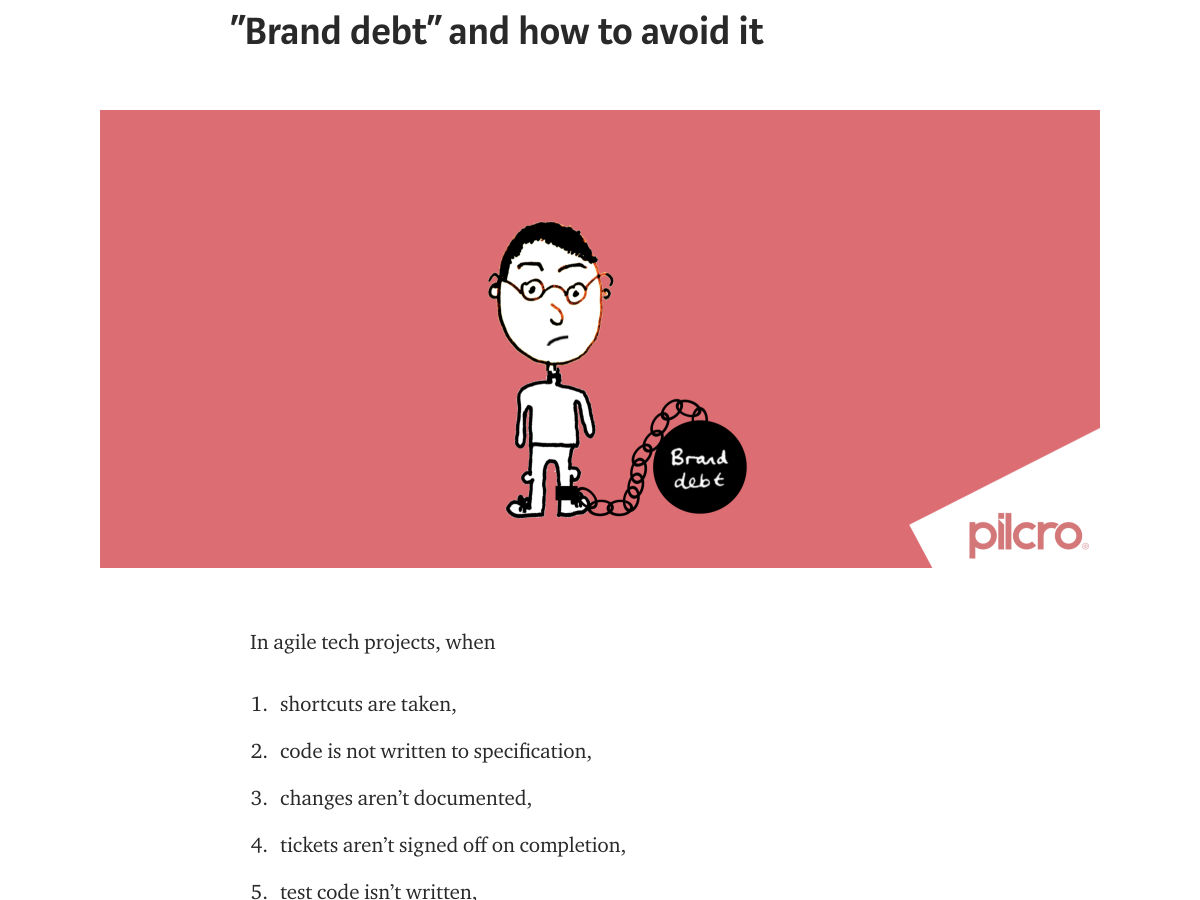
“Brand Debt” and How to Avoid it


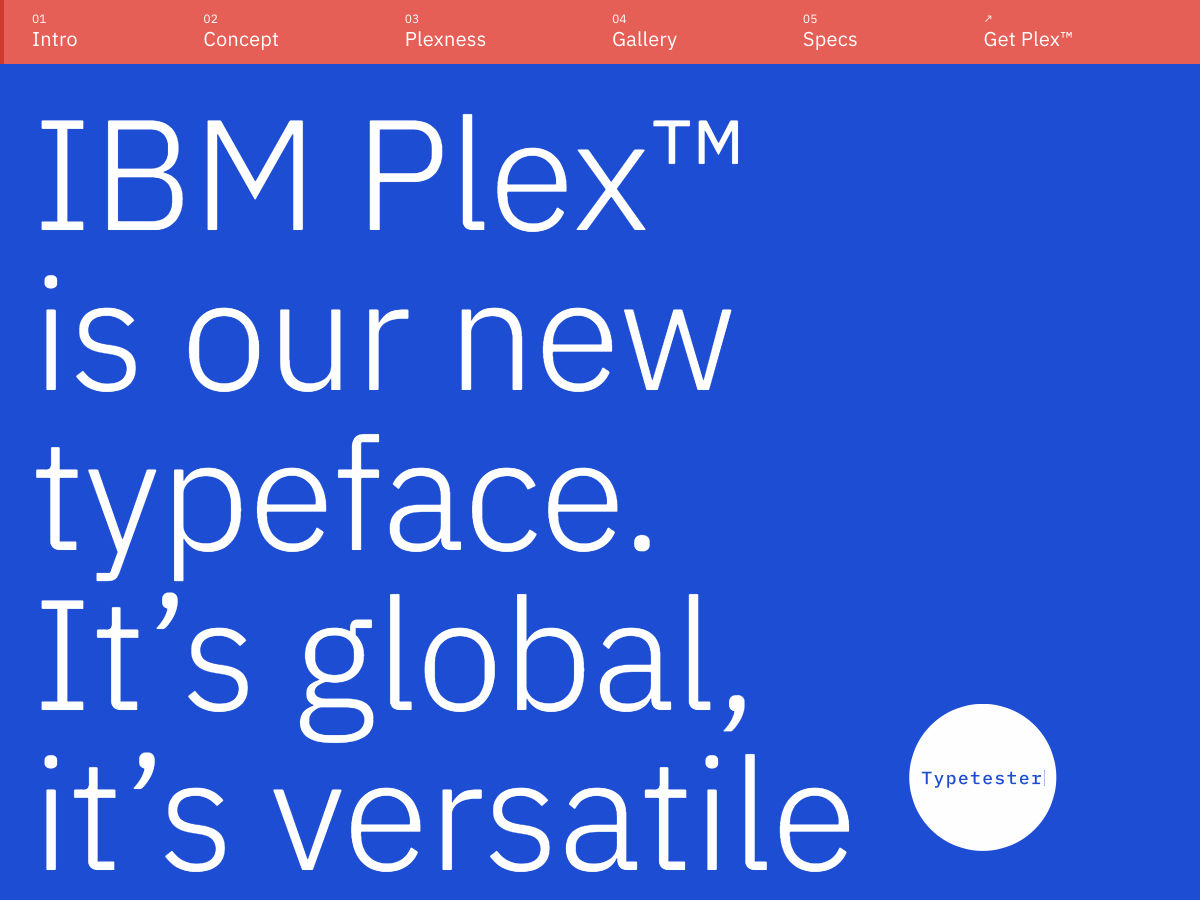
Site Design: IBM Plex


Gradient° – Deep Learning Platform Built for Developers


Prevent Facebook from Tracking You all Over the Web with this Firefox Extension


Want more? No problem! Keep track of top design news from around the web with Webdesigner News.

Add Realistic Chalk and Sketch Lettering Effects with Sketch’it – only $5!

Source

from Webdesigner Depot https://www.webdesignerdepot.com/2018/04/popular-design-news-of-the-week-march-26-2018-april-1-2018/